

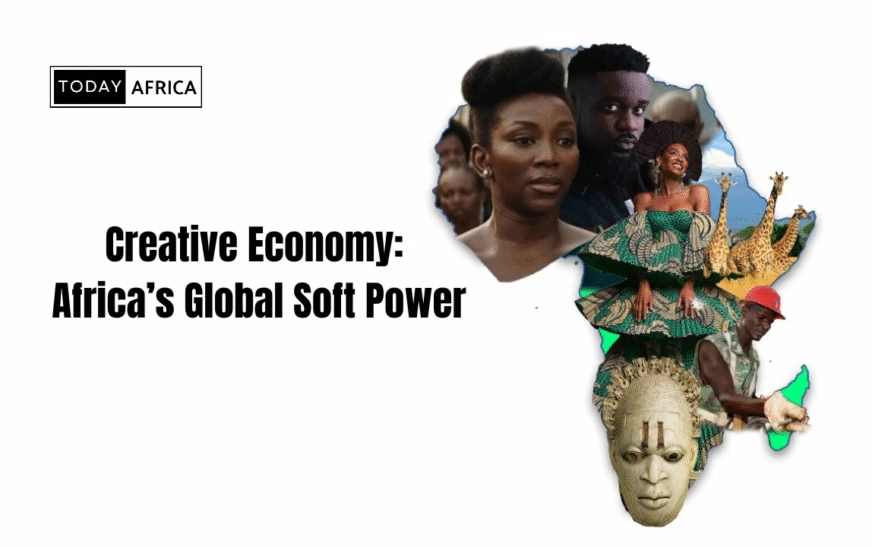
The creative economy in Africa is estimated at nearly US$59 billion, yet it represents less than 3% of the global creative industry market.
At the same time, more than 70% of the continent’s creative workforce is under 35 years old, putting youth culture and innovation squarely at the heart of what’s next.
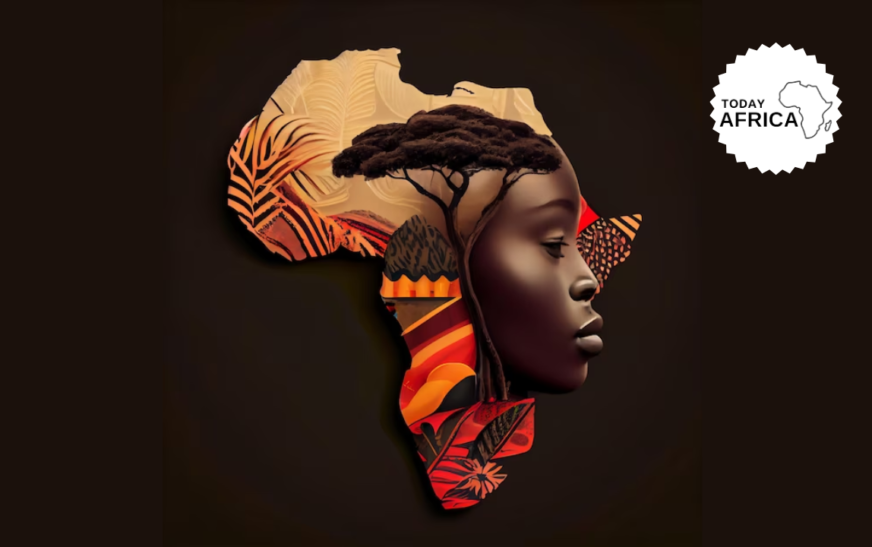
So why does this matter? Because the creative economy, from film and music to gaming and fashion, is emerging as one of Africa’s major engines of soft power, identity and economic renewal.
In this article, we’ll discuss how culture has become commerce, how Africa is using storytelling and design to wield global influence, and what the business behind the culture really looks like.
Africa’s creative economy
The creative economy isn’t just art. It’s the ecosystem around creative work, production, distribution, marketing, IP rights, digital platforms, and export.
It includes film, music, gaming, design, fashion, publishing, advertising, photography, crafts, and performance. Essentially, anywhere creativity meets commerce.
Globally, this sector contributes about 3% of world GDP and employs more people than the automobile industry. In Africa, where over 60% of the population is under 25, it’s not just an artistic outlet; it’s a development strategy.
The United Nations Conference on Trade and Development (UNCTAD) calls the creative economy a “driver of inclusive growth.” It thrives on human imagination, not limited resources, which makes it a perfect fit for Africa’s youthful, digital-first demographic.
Economic scale and potential
Across Africa, the creative economy is worth an estimated US$59 billion today, yet the continent still only accounts for about 3% of global creative exports, according to UNESCO.
The film and audiovisual industry alone employs over 5 million people, contributing around US$5 billion to GDP. But analysts believe it could quadruple with better financing and policy frameworks.
Music streaming platforms are another indicator. Between 2017 and 2023, streaming of African genres grew by over 500%, driven by global demand for Afrobeats, Amapiano, and East African Bongo Flava.
So, this isn’t just a feel-good cultural story. It’s an economic one.
Read Also: AfCFTA’s Hidden Opportunities for African Startups
Rise of Africa’s soft power
Soft power is influence through attraction rather than force. It’s how Japan exports anime, how South Korea turned K-pop into global diplomacy, and how the US built dominance through Hollywood.
Africa is entering that conversation now.
Through film, music, fashion, and storytelling, the continent is crafting a new global identity, one defined by creativity, confidence, and agency.
From Nollywood to Afrobeats: stories that sell
Nollywood (Nigeria’s film industry) is the perfect example of creativity meeting entrepreneurship.
Starting in the 1990s with low-budget home videos, it’s now the second-largest film industry in the world by output, producing about 2,500 movies per year.
It employs millions, feeds hundreds of small businesses (from costume rentals to streaming tech), and contributes nearly 2.3% of Nigeria’s GDP.
But here’s the business side.
An average Nollywood movie can recoup its budget within weeks thanks to digital distribution via platforms like Netflix, Showmax, and YouTube.
International co-productions are increasing too; Netflix’s Blood Sisters and King of Boys show how African narratives are being exported at scale.
Then there’s Afrobeats, perhaps Africa’s biggest cultural export in decades.
Artists like Davido, Burna Boy, Wizkid, and Tems are headlining global festivals, signing multi-million-dollar deals, and dominating streaming platforms.
Behind every viral track is a growing infrastructure, record labels, tour managers, digital marketers, sync licensing agencies, and brand partnerships.
According to PwC, Nigeria’s music industry is projected to be around US$67 million as of 2025, not counting the ripple effects on tourism, tech, and fashion.
Read Also: The Gig Economy in Africa: Opportunity or Exploitation?
Business behind culture
Fashion, design, and the cultural marketplace
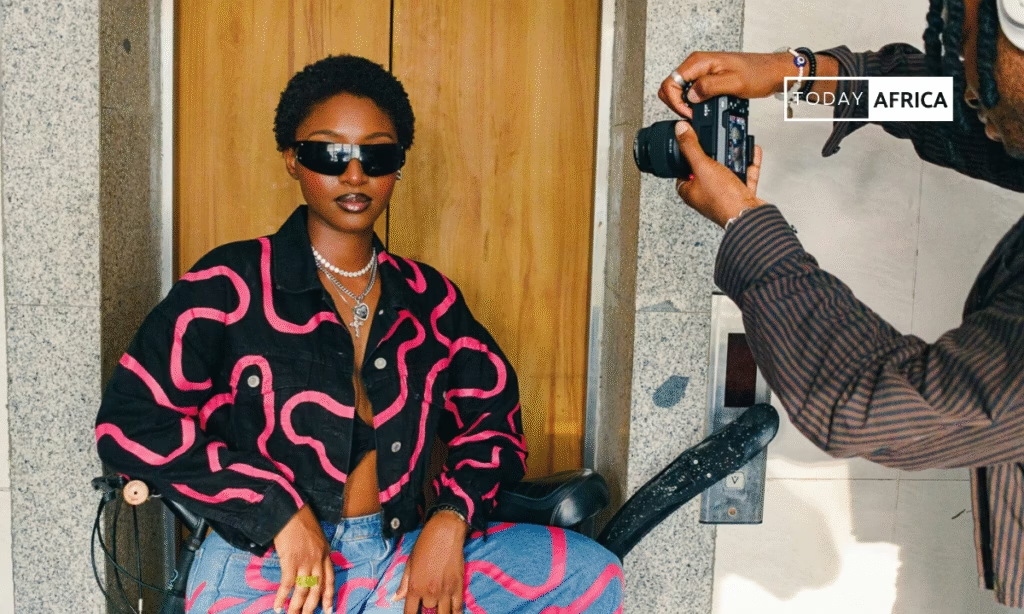
Fashion is more than aesthetics; it’s economics and identity combined. Africa’s fashion industry is valued at US$15 billion, employing millions of artisans, tailors, and designers.
From Ghana’s Christie Brown to South Africa’s Thebe Magugu, designers are gaining international recognition and retail collaborations.
The global appetite for authentic African design and textiles is growing. UNESCO’s first African fashion report highlighted how “African creativity is shaping global trends while reclaiming cultural narratives.”
Yet 90% of the industry still operates informally, losing potential tax revenue and investor confidence.
Still, fashion’s digital transformation, through e-commerce, dropshipping, and Instagram shops, is changing that fast.
Gaming and digital creativity
Few realize how rapidly gaming is taking off in Africa. The continent’s gaming market was valued at US$600 million in 2021 and is projected to exceed US$1.5 billion by 2027.
Nigeria, Kenya, Egypt, and South Africa are hotspots, with studios like Maliyo Games, Carry1st, and Kiro’o Games creating locally inspired content, African heroes, myths, and settings that global gamers haven’t seen before.
Gaming merges art, storytelling, coding, and business models like NFTs or in-game purchases, all elements of the creative economy. And it’s scalable: digital downloads require no shipping, meaning African games can compete globally without traditional export barriers.
This space might just be Africa’s quiet revolution in soft power, storytelling through interactivity.
Read Also: Exit Strategies for African Startups (What Investors Should Know)
Why the timing is right
Youth, technology, and global platforms
Africa’s creative economy is perfectly timed. Nearly 70% of Africans are under 30, and smartphone penetration is climbing fast. That means more creators, more consumers, and more storytellers using social media as their stage.
Platforms like YouTube, TikTok, Audiomack, and Boomplay have become launchpads for new talent. A teenage content creator in Kampala or Kinshasa can now reach audiences in Los Angeles or Seoul, no middleman needed.
This digital revolution removes gatekeepers. And as digital payments, microfinancing, and e-commerce mature, creators are finally able to monetize directly.
Diaspora power and cross-cultural bridges
The African diaspora is another major engine. There are about 170 million people of African descent living outside the continent, and their appetite for reconnecting with authentic African culture fuels demand abroad.
Diaspora creatives, from British-Ghanaian filmmaker Amma Asante to French-Congolese artist Dadju, are bridging African and Western markets. They’re investors, mentors, distributors, and ambassadors rolled into one.
That network effect expands Africa’s reach and visibility across industries.
Read Also: Ariaria International Market Aba: Africa’s Hub of Creativity and Trade
Challenges still holding Africa back
The money problem
The biggest bottleneck? Funding. Most African creative ventures operate informally, without access to loans or investors. Traditional banks often don’t recognize intellectual property as collateral.
This keeps creators trapped in a cycle of passion without profit. A study by the African Development Bank found that less than 1% of creative entrepreneurs can access formal financing. That’s unsustainable for growth.
Public–private partnerships, creative venture funds, and impact investors are slowly entering the scene, but not nearly at the scale needed.
Infrastructure, piracy, and policy
Infrastructure gaps also hurt, poor broadband, limited studio facilities, few cinemas, and high data costs. Piracy remains rampant: UNESCO estimates Africa loses up to 75% of film revenues due to illegal distribution.
Policy frameworks are improving, but are inconsistent.
Some countries (like Kenya and Rwanda) now have creative industry policies tied to national development plans. Others still lack proper copyright protection, trade incentives, or export strategies.
Until the business side of culture is treated as seriously as the art itself, growth will stall.
What’s working and what’s next
Emerging ecosystems and local innovation
Thankfully, momentum is building. Ghana’s Year of Return in 2019 showed how creative industries could fuel tourism and diaspora investment.
South Africa’s film incentives have attracted international productions, creating jobs and infrastructure. Nigeria’s digital music scene is now one of the continent’s largest tech-adjacent employers.
UNESCO’s International Fund for Cultural Diversity recently allocated nearly US$1 million to support local creative projects across Africa. Meanwhile, tech companies like Google, Meta, and TikTok are launching creator academies and grant programs.
The energy is shifting from survival to scale.
Regional collaboration and pan-African ambition
The African Continental Free Trade Area (AfCFTA) could be a game-changer if creative goods and digital services are included more explicitly. That would enable easier cross-border collaboration, talent mobility, and shared markets.
Imagine a filmmaker in Nairobi collaborating with a game developer in Accra, distributing content to subscribers in Lagos, without bureaucratic bottlenecks. That’s where soft power meets smart policy.
Read Also: African Second-hand Economy: The Billion-dollar Industry
Mapping the business behind culture
How creativity turns into commerce
Every successful creative product, a film, a song, a digital artwork, moves through a chain of business steps:
- Creation (idea, story, or design)
- Production (studio time, editing, packaging)
- Distribution (cinemas, streaming, social media)
- Monetization (ads, streaming royalties, licensing, merchandise, brand deals)
- Export (cross-border sales, touring, collaborations)
Each step adds economic value. For example, a Nollywood film creates jobs for writers, camera crews, costume designers, caterers, editors, marketers, and streaming platforms, all within one project.
In music, the chain runs from the artist to producers, digital aggregators, streaming services, touring companies, and brands. A hit song can drive tourism, fashion trends, and tech adoption.
Creative clusters and investment opportunities
Cities like Lagos, Nairobi, Dakar, and Cape Town are emerging as creative hubs, clusters of studios, startups, and investors feeding into each other. The more these ecosystems mature, the more sustainable the industry becomes.
Creative hubs like The Nest Collective (Kenya) or CcHUB’s Creative Economy Practice in Nigeria are experimenting with ways to formalize and scale creative startups.
There’s room for investors here, not just philanthropists, but venture funds, angel investors, and corporate sponsors who see culture as an economic asset.
The future — Africa as a global cultural powerhouse
A new narrative
The story of Africa’s creative economy is ultimately about self-definition.
For decades, the continent was seen through an outsider’s lens; now Africans are writing, singing, coding, and designing their own narratives, and the world is paying attention.
Soft power isn’t abstract. It’s influence. It’s people choosing to stream African films, wear African fashion, and dance to African beats because they want to.
The opportunity ahead
The next ten years could determine whether Africa’s creative economy becomes a global force or remains underdeveloped potential.
If governments create clear frameworks for creative exports, if investors treat creators as serious entrepreneurs, and if creators themselves organize and protect their work, Africa could own one of the most dynamic creative industries in the world.
The shift has already begun. It’s not a question of if anymore; it’s how fast.
Conclusion
Africa’s creative economy isn’t a side story. It’s the main plot of a new economic era, one driven by ideas, not just industries. From Nollywood to Afrobeats to gaming, Africa’s creative wave is shaping the continent’s soft power and its bottom line.
But creativity alone isn’t enough. To turn talent into transformation, the continent needs structure: policies, investment, education, and trust in its own potential.
If you’re a policymaker, support it. If you’re an investor, fund it. And if you’re a creator, protect and scale it. Because the next global cultural superpower might just have its roots in Africa, and it’s already singing, filming, coding, and designing its way there.
Leave a comment and follow us on social media for more tips:
- Facebook: Today Africa
- Instagram: Today Africa
- Twitter: Today Africa
- LinkedIn: Today Africa
- YouTube: Today Africa Studio




2 Comments
Insightful post — Your article is very clearly written, i enjoyed reading it.
Thank you for finding value in the article.
Comments are closed.