

The best digital tools to start and grow a business in Africa

Running a business in Africa has never been just about having a good product. Entrepreneurs must also figure out how to reach customers, collect payments, manage daily operations, and compete in markets where infrastructure and consumer behavior can vary significantly. For many small business owners, these responsibilities still depend on
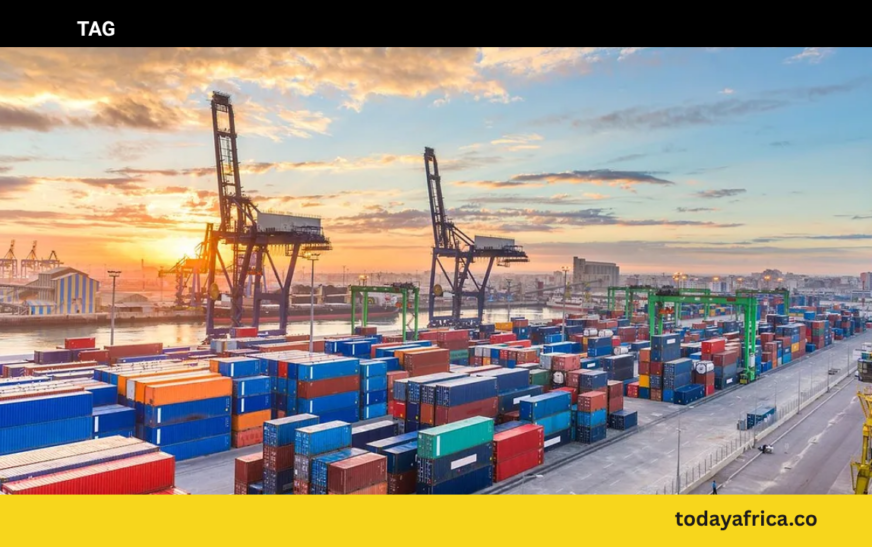
The missing links holding back African supply chains
Africa has the raw materials, expanding consumer markets, and growing industrial ambitions to become a major force in global supply chains. Yet, moving goods between African countries remains one of the continent’s most persistent economic challenges. A manufacturer in Nigeria may find it easier to source certain inputs from overseas

How December travel became a business season in Ghana, Nigeria, and South Africa
By early December, the city’s rhythm shifts. Airport arrivals increase, hotel lobbies become meeting points for families returning from abroad, founders scheduling end-of-year conversations, and creators looking for the next cultural story. Around Osu and Cantonments, restaurants extend their hours, event spaces prepare for packed calendars, and conversations move between

Yellow Card appoints former Monzo executive Ross Everett as first Group CFO
African stablecoin infrastructure company Yellow Card has appointed Ross Everett as its first Group Chief Financial Officer (CFO) as the company expands its global operations beyond Africa. Everett joins Yellow Card after serving as Group Financial Controller at UK digital bank Monzo. He has also held senior roles at financial

The structure of wealth creation in African markets
Africa’s wealth creation story is undergoing a structural transition. The continent is moving from an economic model dominated by commodities, informal trade, and external capital dependence toward one increasingly shaped by productivity, digital infrastructure, regional markets, financial innovation, and locally built companies. The central question for investors, policymakers, and entrepreneurs

Remita launches consumer super app to combine banking, payments, loans and investments in one platform
Nigeria’s payment infrastructure company Remita has entered the consumer fintech market with the launch of a new mobile super app designed to bring banking, investing, payments, and financial management tools into one platform. The company unveiled the app on September 22, 2026, during Nigeria Fintech Week at the National Theatre

Dare Okoudjou, the builder who turned Africa’s payment problems into a continental opportunity
For decades, moving money across African borders was slow, expensive, and complicated. Families struggled to send support home. Businesses struggled to trade across countries. Entrepreneurs struggled to build companies that could operate beyond one market. Dare Okoudjou saw that problem differently. Instead of accepting Africa’s fragmented financial systems as a
8 best businesses to start in Africa under $100
Starting a business in Africa does not always require large capital, investors, or expensive infrastructure. In many African markets, the biggest opportunities are found by solving everyday problems with simple, affordable solutions. With less than $100, entrepreneurs can start small businesses that generate income, test market demand, and grow into

Nigeria’s fintech war moves beyond payments as startups fight for customer deposits
Nigeria’s fintech sector is entering a new phase of competition. After years of winning customers through fast payments, digital wallets, and agent networks, fintech companies are now fighting for something more valuable: where customers keep their money. Companies such as OPay, Moniepoint, FairMoney, and PalmPay have grown from transaction platforms

What Africa’s $3.4 trillion economic opportunity means for the future of African markets
Africa is entering one of the most important economic transitions in its modern history. The continent is no longer being viewed only through the lens of aid, commodities, or emerging-market risk. Instead, investors, policymakers, and global companies are increasingly focusing on Africa’s expanding consumer markets, digital transformation, industrial potential, and