

Access to finance remains one of the defining constraints for business growth in South Africa, particularly for small and medium-sized enterprises (SMEs) and micro-enterprises.
In an economy where SMEs contribute a significant share of jobs and economic output but frequently face structural credit constraints, business loans are not merely a financial instrument; they are a strategic necessity with broad implications for economic inclusion and competitiveness.
In this article, we’ll discuss business loans in South Africa, exploring the diversity of financing options available to firms and the lending conditions within the broader economic and policy environment shaping credit access.
The economic role of SMEs and the imperative for business loans
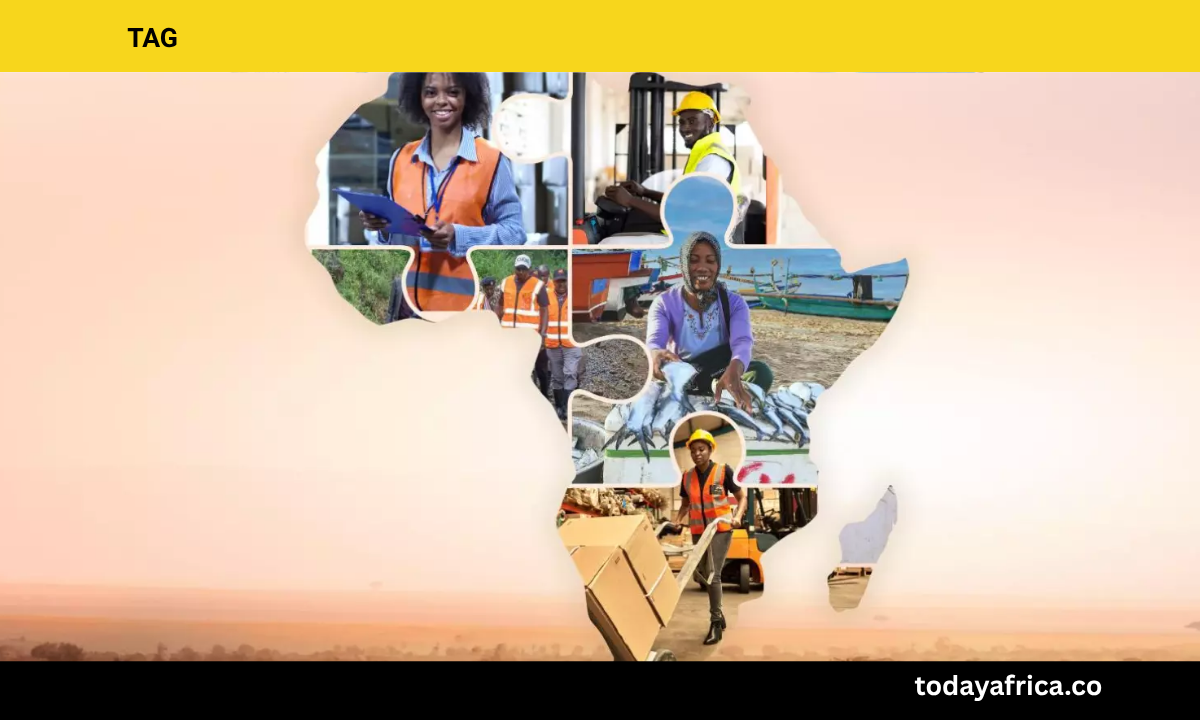
SMEs and micro-enterprises are fundamental to South Africa’s economic structure. They represent an overwhelming majority of formal enterprises and account for a substantial share of employment.
Historically, such firms have been estimated to comprise about 91% of all formalized businesses, employ approximately 60% of the labour force, and contribute roughly 34% of GDP, underscoring their centrality to inclusive growth and job creation.
Beyond formal figures, broader MSME datasets reveal that around 3 million medium, small, and micro-entrepreneurs employ roughly 13.4 million people and contribute over R5 trillion in turnover.
However, many of these businesses operate in the informal sector, and a significant portion face exclusion from formal credit markets.

The link between SME financing and broader economic outcomes is well established: research shows that relaxing credit constraints for SMEs can boost GDP and total factor productivity, reducing inequality pressures when capital becomes more accessible.
Business loan types and market structure
Business loans in South Africa encompass a range of products tailored to the needs of companies at different stages and with varying risk profiles:
- Term loans: Traditional loans with fixed repayment schedules, often used for expansion, fixed asset purchases, or longer-term strategic investments. These loans typically require a detailed business plan and strong financials.
- Revolving lines of credit: Flexible financing facilities that allow businesses to draw funds up to a credit limit, manage cash flows, and pay interest only on utilised amounts.
- Asset finance: Secured loans in which the asset being financed (e.g., machinery, vehicles) serves as collateral. These often come with relatively favourable terms for well-documented assets.
- Invoice financing: A short-term funding mechanism whereby businesses borrow against unpaid receivables to unlock working capital.
- Alternative and fintech lender products: Non-traditional lenders and online platforms provide quicker access to capital, though often at higher costs or with shorter terms.
Loan sizes vary widely, from R10,000 to over R5 million depending on the lender and product type.
Approval times also differ significantly: bank loans may take several days, while some alternative lenders can disburse funds within 24 to 48 hours for smaller loan amounts.
Read Also: Africa’s startup funding shifted from growth to infrastructure in 2025
Cost of borrowing: Interest rates and fees
Interest rates on business loans in South Africa are anchored to the South African Reserve Bank’s policy rates and the prevailing Prime Lending Rate, which stood at 10.25% as of early 2026.
- Traditional bank loans: Typically priced at Prime + 1% to Prime + 12%, with secured loans on the lower end of the spectrum.
- Alternative/fintech lenders: Unsecured loans from non-bank lenders may have interest or APRs substantially higher, often 15% to 30% or above, reflecting greater risk and shorter terms.
- Government-backed and DFI-linked loans: Development finance initiatives and government facilities can offer more competitive rates (often 5%–12% depending on programme specifics), aimed at supporting strategic sectors or priority groups.
Beyond headline interest rates, borrowers should also consider initiation fees, service charges, and other costs embedded in business loan products that can materially affect total financing costs.
Who seeks loans and why
From the lens of demand, South African SMEs predominantly require relatively modest amounts of capital.
In the 2025 MSME Access to Finance Report, 85.6% of funding applications came from businesses with annual turnover below R1 million, and nearly 39% of applicants sought loans under R250,000, with another 31% asking for between R250,000 and R1 million.
These figures highlight that most SMEs are seeking bridge financing, working capital, or equipment funding rather than large-scale investment capital. However, despite this concentrated demand, lending outcomes remain uneven.
Micro-enterprises, the largest employment generators, are disproportionately sidelined due to credit scoring models that inadequately capture the risk profiles of smaller or informal businesses.
Barriers to business loans in South Africa
Access to business loans is constrained by multiple structural and institutional factors:
- Risk and credit assessment practices: Traditional credit scoring methodologies often fail to reflect the operational realities of micro and small business cash flows, leading to high rejection rates for smaller loan requests.
- Collateral requirements: Larger loans with favourable interest rates typically require collateral, assets many small firms lack, limiting their ability to access competitive financing.
- Financial documentation and capacity: Many SMEs lack the formal financial records or audited statements that banks require, reducing their likelihood of approval for formal credit products.
- High cost of capital: Even when credit is available, elevated interest rates, particularly from alternative lenders, increase the cost and risks of debt financing for many firms.
This environment contributes to a persistent finance gap, where supply and demand for suitable business loans are fundamentally misaligned. Policy briefs and analyses argue that bridging this gap is essential for SME sustainability and broader economic resilience.
Read Also: From idea to traction: The 12-month founder roadmap
Alternative funding pathways and innovations
In response to the limitations of traditional business loans, a range of alternative funding mechanisms have gained traction:
- Fintech lending and digital platforms: Digital credit and fintech lenders offer streamlined application processes and faster access, albeit often at higher rates. These platforms can reduce traditional barriers tied to documentation and prolonged credit assessments.
- Blended and impact finance: Combining concessional finance, grants, and commercial capital, including ESG-linked loans, offers a more flexible financing spectrum for growth-oriented SMEs.
- Trade and supplier credit: Non-debt financing mechanisms like supplier credit lines enable firms to effectively manage working capital without immediate cash outlays.
These alternative models can complement traditional business loans, particularly for firms facing steep qualification hurdles.
Policy and market environment
The broader macroeconomic and policy environment also shapes business loan dynamics.
South Africa has pursued numerous financial and infrastructure support initiatives, including significant development loans from international institutions to underpin public investment and stimulate economic activity.
Recent multi-billion-dollar loans from the World Bank and African Development Bank illustrate ongoing efforts to address structural bottlenecks in transport and energy infrastructure, indirectly benefiting private sector credit conditions by reducing systemic risks.
However, broader financial conditions, including high borrowing costs relative to advanced economies, persist as an underlying impediment to lower-cost capital for businesses, as noted by global credit assessments.
Read Also: How to find product market fit for your product
Conclusion
Business loans in South Africa are a critical component of the SME financing ecosystem and, by extension, national economic growth and inclusion.
The landscape encompasses a broad range of products, from traditional bank term loans to digital lending platforms, reflecting varied needs and risk profiles.
Yet systemic barriers, including stringent credit requirements, high costs of borrowing, and misaligned risk assessment frameworks, continue to restrict access to capital, particularly for micro and small enterprises that account for much of employment and entrepreneurial activity.
Robust policy interventions combined with continued innovation in financing, including blended finance, fintech solutions, and tailored credit products, are essential to unlocking broader access to productive capital.
Expanding the reach and suitability of business loans is not only a financial imperative but also a strategic enabler of inclusive economic participation, enterprise growth, and sustainable job creation in South Africa.
Leave a comment and follow us on social media for more tips:
- Facebook: Today Africa
- Instagram: Today Africa
- Twitter: Today Africa
- LinkedIn: Today Africa
- YouTube: Today Africa Studio