

South Africa is one of the few countries where climate, wildlife cycles, cultural calendars, and regional geography intersect in ways that make “the best time to visit” a strategic question rather than a simple seasonal choice.
Stretching from the Mediterranean-like climate of the Western Cape to the subtropical coastline of KwaZulu-Natal and the semi-arid interior of the Karoo, the country’s diversity means timing directly affects cost, crowd density, safari quality, and overall experience.
For international and regional travelers alike, understanding the best time to visit South Africa requires examining three core variables: climate patterns, wildlife behavior, and tourism economics.
The optimal time to visit depends on travel objectives: wildlife safaris, coastal holidays, wine tourism, business travel, or cultural exploration. There is no single “best” month. There is, however, a best season for specific priorities.
South Africa’s seasons
South Africa is in the Southern Hemisphere, meaning its seasons are reversed relative to Europe and North America:
- Summer: November to March
- Autumn: April to May
- Winter: June to August
- Spring: September to October
However, climate varies by region:
- The Western Cape (including Cape Town) has a Mediterranean climate: dry summers and wet winters.
- The northeastern safari regions (including Kruger National Park) have summer rainfall and dry winters.
- The KwaZulu-Natal coast, including Durban, remains warm year-round with humid summers.
- The inland economic hub of Johannesburg sits at elevation, producing cooler winters and summer thunderstorms.
Because these patterns differ, the “best time” depends heavily on geography.
December to February (southern summer)
Climate conditions
Summer brings warm to hot temperatures across much of the country:
- Cape Town averages 25 – 30°C (77–86°F).
- Durban frequently exceeds 30°C (86°F) with high humidity.
- Johannesburg experiences warm days with afternoon thunderstorms.
The Western Cape is dry and sunny, making it prime time for beaches, wine estates, and outdoor exploration.
Tourism demand and pricing
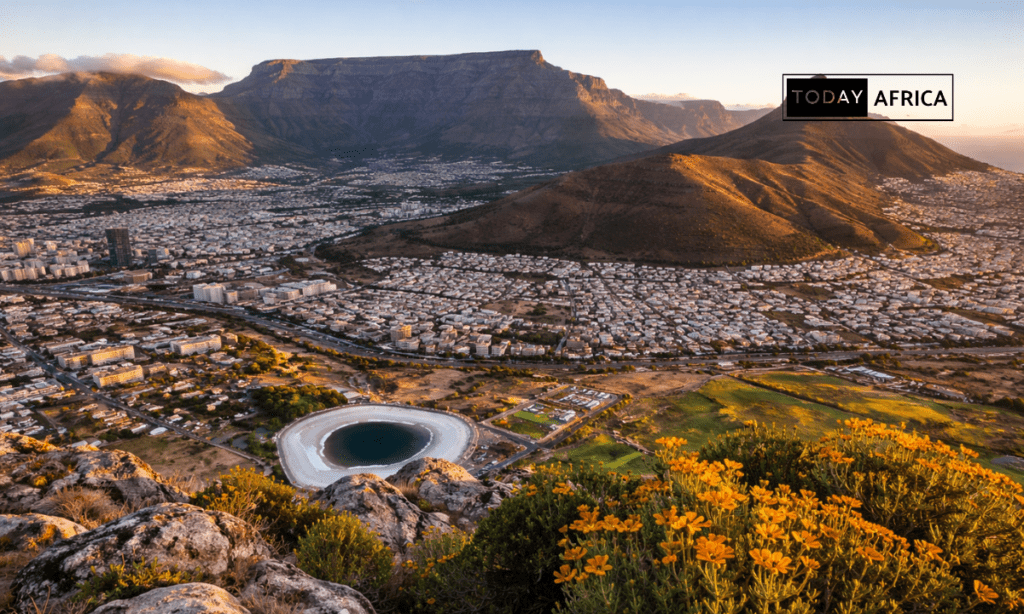
According to Statistics South Africa, December consistently records one of the highest monthly arrival volumes, driven by both international visitors and domestic holiday travel. Coastal regions, particularly Cape Town and the Garden Route, experience peak occupancy rates.
Airfares and accommodation prices typically rise significantly between mid-December and early January, coinciding with school holidays and festive travel. This period is commercially advantageous for tourism operators but can reduce value for cost-sensitive travelers.
Advantages
- Ideal beach weather in the Western Cape.
- Long daylight hours (up to 14 hours).
- Vibrant cultural and event calendar.
Disadvantages
- High prices and crowded attractions.
- Heavy traffic in coastal regions.
- Safari visibility reduced due to dense vegetation and dispersed wildlife (summer rainfall season in safari zones).
Best for: Coastal holidays, wine tourism, outdoor festivals, and first-time visitors seeking iconic landscapes.
Read Also: What first-time visitors should know before traveling in West Africa
March to May (Autumn)
Autumn is frequently cited by travel analysts as one of the most balanced times to visit.
Climate conditions
- Western Cape remains warm but less windy.
- Rainfall gradually increases in Cape Town.
- Safari regions begin transitioning toward drier conditions.
Temperatures are moderate across the country, making it suitable for urban exploration and business travel.
Tourism patterns
Tourist arrivals decline after the summer peak. According to data referenced by South African Tourism, shoulder months often provide improved price-to-experience ratios, with lower accommodation rates and reduced congestion.
Advantages
- Lower prices compared to December – January.
- Comfortable temperatures.
- Improved wildlife viewing conditions as vegetation thins.
Disadvantages
- Increasing rainfall in parts of the Western Cape by May.
- Fewer large-scale cultural events compared to summer.
Best for: Balanced itineraries combining city tourism, wine regions, and safari experiences without peak-season pricing.
June to August (Dry safari season)
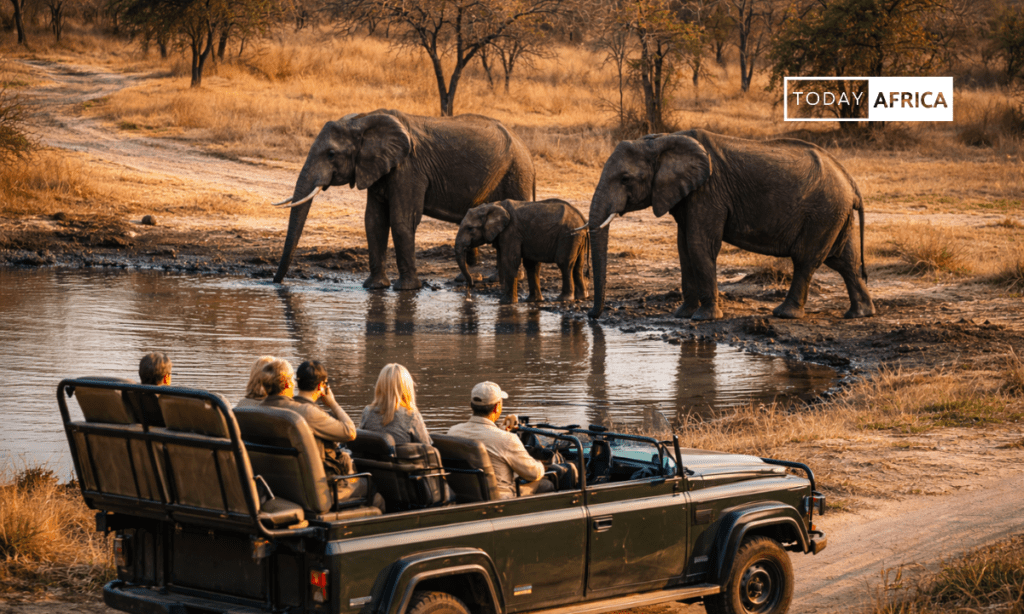
Winter in South Africa is the most strategic period for wildlife tourism.
Climate conditions
- Dry season in safari regions such as Kruger National Park.
- Cold nights and mild days in Johannesburg and the Highveld.
- Cape Town experiences its rainy season.
In northeastern game reserves, minimal rainfall leads animals to congregate around water sources, improving visibility.
Wildlife viewing
Conservation research consistently shows that dry-season months improve safari outcomes due to:
- Reduced vegetation cover.
- Concentration of wildlife around waterholes.
- Lower mosquito populations.
For travelers prioritizing wildlife photography and Big Five sightings, June to August is widely regarded as the optimal window.
Tourism economics
While Cape Town sees lower visitation during its rainy season, safari lodges often experience strong demand. Pricing varies by region:
- Cape Town: Off-peak pricing.
- Safari lodges: High demand, premium rates.
Advantages
- Best wildlife visibility.
- Lower malaria risk in many areas during dry season.
- Cooler, comfortable safari temperatures.
Disadvantages
- Rainy and windy conditions in the Western Cape.
- Shorter daylight hours.
- Cold early morning game drives.
Best for: Safari-focused travelers, conservation tourism, and photographers.
Read Also: Top 19 Morocco Tourist Sites to Visit This Year
September to October (Wildlife and wildflowers)
Spring offers a transitional period with growing appeal among repeat visitors.
Climate conditions
- Increasing warmth nationwide.
- Reduced rainfall in Cape Town compared to winter.
- Dry conditions continue in many safari regions.
Unique attractions
The Western Cape and Northern Cape experience seasonal wildflower blooms, particularly in areas like Namaqualand. While highly localized, these blooms attract domestic and regional visitors.
Wildlife viewing remains strong in early spring before summer rains begin.
Tourism demand
Visitor numbers begin rising toward November but remain below December peaks. Accommodation pricing often reflects mid-range seasonal demand.
Best for: Travelers seeking moderate weather, wildlife, and lower crowd density than summer.
Strategic timing by destination
Cape Town and Western Cape
For destinations such as Cape Town and the Cape Winelands:
- Best overall climate: November to March.
- Best value: April and May.
- Avoid (for beach focus): June – August due to rain.
Kruger and private game reserves
For safari in Kruger National Park:
- Best wildlife viewing: June – September.
- Lush landscapes (but harder sightings): November – March.
Johannesburg and business travel
Johannesburg serves as a commercial hub:
- Best weather: March – May and September – October.
- Summer thunderstorms may affect outdoor plans but rarely disrupt urban travel significantly.
Read Also: Top 25 Destinations for Africa Adventure Trips This Year
Durban and KwaZulu-Natal Coast
Durban remains warm year-round:
- Best beach conditions: April – November (lower humidity).
- Avoid peak humidity and heavy summer rainfall if sensitive to heat.
Cost considerations
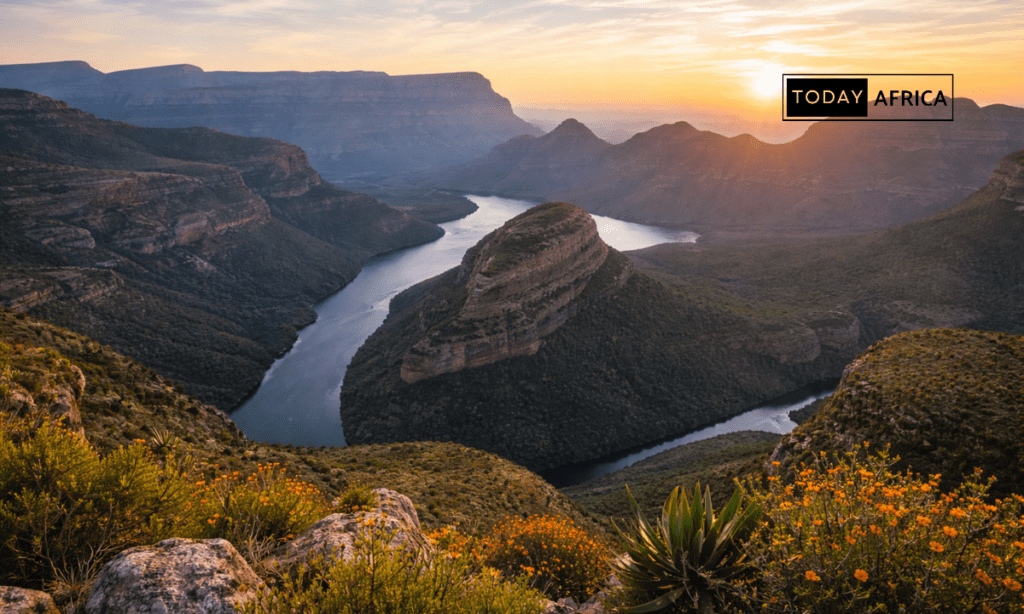
According to tourism sector analyses supported by World Bank data on South Africa’s service exports, international tourism remains sensitive to exchange rate fluctuations. A weaker rand often improves affordability for foreign visitors, regardless of season.
However, domestic holiday cycles, particularly December, create artificial price inflation independent of exchange rates. Travelers seeking cost efficiency should avoid:
- Mid-December to early January.
- Easter holiday periods.
- Major school holiday windows.
Shoulder months typically provide optimal cost-performance balance.
Safety and infrastructure factors
South Africa maintains advanced tourism infrastructure relative to many regional peers. Major airports in Johannesburg and Cape Town operate year-round with high reliability.
However, seasonal weather can affect certain experiences:
- Winter rains in Cape Town may limit outdoor hiking.
- Summer storms in Gauteng may delay flights.
- Rural road conditions can deteriorate during heavy rains in safari areas.
Planning around seasonal weather enhances both safety and experience.
Conclusions
There is no universal best time to visit South Africa. Instead, optimal timing depends on primary travel objectives:
- For safari and wildlife: June to September.
- For beaches and Cape Town exploration: November to March.
- For balanced value and moderate climate: March to May or September to October.
- For budget-conscious travel: Shoulder seasons outside major holidays.
South Africa’s tourism model is built on climatic complementarity: when Cape Town experiences winter rains, safari regions enter prime viewing season.
This natural diversification supports year-round visitation and stabilizes tourism revenues, a factor reflected in national tourism strategy frameworks advanced by South African Tourism.
Travelers who align their timing with regional conditions, rather than applying a single seasonal assumption, will achieve better cost efficiency, improved wildlife outcomes, and more favorable climate conditions.
Leave a comment and follow us on social media for more tips:
- YouTube: Today Africa Studio
- Facebook: Today Africa
- Instagram: Today Africa
- Twitter: Today Africa
- LinkedIn: Today Africa





![15 Best Beaches in Morocco to See This Year [& Essential Packing List]](https://todayafrica.co/wp-content/uploads/2023/12/Blue-Simple-Dad-Appreciation-Facebook-Post-1200-×-720-px-6-9.png)