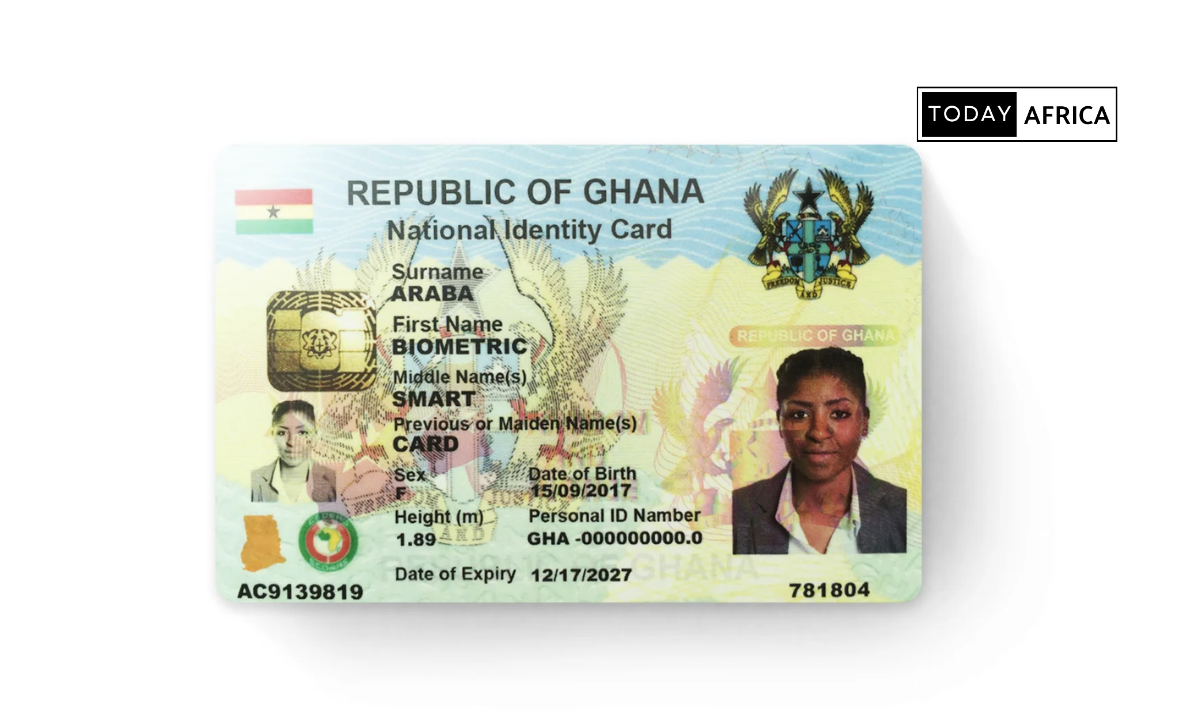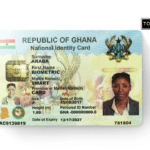


You walk into a bank, a hospital, or a government office. You are asked a simple question. Can you prove who you are?
For millions of Africans, that question is not simple at all.
Across the continent, identity is fragile. Sometimes it does not exist; it exists only on paper, which can be lost, forged, or ignored, or it exists in one government database but not in another.
And when identity fails, everything else follows.
This is where the conversation around why blockchain could solve identity problems in Africa starts to matter.
In this article, we examine the problem Africa faces with identity, why existing systems keep falling short, and how blockchain-based identity could offer something genuinely different.
The scale of Africa’s identity problem
Identity is the foundation of modern life. Without it, systems cannot trust you, and you cannot trust systems.
According to the World Bank’s ID4D initiative, around 850 million people globally lack official identification. Sub-Saharan Africa accounts for a large share of that number. In some countries, over 40% of adults do not have a formal ID.
In Nigeria alone, despite years of national identity campaigns, tens of millions remain outside the National Identification Number system. Rural communities, internally displaced persons, women, and informal workers are often the most affected.
This is not because people do not want identity. It is because the systems are expensive, centralized, and often disconnected from everyday realities.
Paper based and fragmented systems keep failing
Many African countries still rely heavily on paper records or siloed digital databases. Birth certificates sit in one office. Voter cards in another. Driver’s licenses somewhere else entirely.
These systems struggle with basic issues.
Records get destroyed by floods or fire. Databases do not talk to each other. Corruption creates loopholes. People pay bribes just to be registered. Others are registered multiple times under different identities.
When identity is fragmented, services become fragmented too.
Why identity matters more than we admit
It is easy to treat identity as a bureaucratic issue. In reality, it is deeply human.
Banks and fintech platforms rely on Know Your Customer regulations. No ID means no account. No account means no access to savings, credit, or insurance.
Mobile money has helped, but even that often operates with limited identity layers. As services deepen, identity becomes unavoidable.
If Africa wants to unlock small business growth, cross border trade, and digital payments at scale, identity infrastructure has to improve.
Democracy and social services rely on trust
Voting systems depend on trusted voter registers. Healthcare systems depend on accurate patient records. Education systems depend on verifying certificates.
When identity systems are weak, trust erodes. People lose faith in elections. Ghost workers appear on payrolls. Welfare programs leak funds. Identity is not just about recognition. It is about accountability.
Read Also: How to create content that converts for your startup | 8 steps to follow
Why current digital identity systems fall short
Some countries have invested heavily in centralized digital ID systems. Aadhaar in India is often cited as an example, and several African governments have tried to replicate similar models. But centralized systems bring their own problems.

Single points of failure
When one central database holds the identity of millions, it becomes a high value target. Hacks, leaks, or misuse can affect entire populations at once.
Several African countries have experienced data breaches or unauthorized access to government databases. Once compromised, citizens have little recourse.
Citizens have limited control over their data
In most centralized systems, individuals do not own their identity data. Governments or third party contractors do.
People cannot see who accessed their data. They cannot easily revoke consent. They cannot port their identity across borders or platforms.
This imbalance creates long term risks, especially as surveillance technologies expand.
What blockchain changes in the identity conversation
This is where the idea behind why blockchain could solve identity problems in Africa starts to make sense. Blockchain is not magic. But it introduces design principles that traditional systems struggle to offer.
Decentralization reduces single points of failure
A blockchain based identity system does not rely on one central database. Records are distributed across multiple nodes.
That makes it harder to manipulate, censor, or erase identity data. Even if one node fails, the system continues to function.
For regions with political instability or weak institutions, this resilience matters.
Immutability builds long term trust
Once data is recorded on a blockchain, it cannot be altered without consensus. This creates a tamper resistant history of identity claims.
Birth registrations, educational certificates, land records, and professional licenses can all benefit from this feature. Trust shifts from institutions to cryptographic proof.
Read Also: How to create a winning social media strategy for your African brand
Self sovereign identity and why it matters for Africa
One of the most powerful ideas in blockchain identity is self sovereign identity.
Individuals own and control their identity
With self sovereign identity, people store their credentials in digital wallets. They decide who gets access and for how long.
You can prove you are over 18 without revealing your full date of birth. You can prove you hold a degree without exposing your entire academic history.
For African citizens who have often been excluded or exploited by systems, this shift in power is significant.
Portability across borders and platforms
Africa is a continent of movement. Traders, migrants, students, and refugees cross borders every day.
Blockchain based identity can be portable. Your credentials do not disappear when you cross into another country or switch service providers.
For regional integration efforts like AfCFTA, this could be transformative.
How blockchain identity can support financial services
Financial services are often the first sector to adopt new identity infrastructure.
Faster and cheaper KYC processes
Banks spend millions on customer verification. Blockchain based credentials can reduce onboarding costs while improving accuracy.
Once a trusted institution issues a credential, others can verify it instantly without repeating the entire process. This could lower costs for fintech startups and make compliance less painful.
Cross border payments and remittances
Identity verification is a major friction point in cross border finance. Blockchain identity can simplify this by providing standardized, verifiable credentials accepted across jurisdictions.
For Africa, where remittances exceed 90 billion dollars annually, even small efficiency gains matter.
Read Also: How to use storytelling to sell your African startup
Challenges and limitations we cannot ignore
It would be dishonest to present blockchain as a silver bullet.
1. Infrastructure gaps remain real
Reliable internet access, smartphones, and digital literacy are not universal. Any blockchain identity system must work in low connectivity environments and support offline verification. Without this, adoption will stall.
2. Governance and standards are still evolving
Who issues credentials? Who validates them? How disputes are resolved. These questions require governance frameworks, not just code. African governments, regulators, and regional bodies need to be involved early. Otherwise, fragmentation will repeat itself.
3. Trust is social, not just technical
Technology cannot replace trust overnight. People need to believe systems work in their interest. This means transparency, education, and gradual rollout. It also means protecting people from exclusion if systems fail.
What governments and startups should do next
If why blockchain could solve identity problems in Africa is to move beyond theory, certain steps matter.
Start with specific use cases
Instead of national rollouts, start small. Academic credentials, professional licenses, health records, and prove value in narrow domains, then expand.
Build public private partnerships
Governments provide legitimacy. Startups provide speed and innovation. NGOs provide community trust. No single actor can do this alone.
Design for inclusion from day one
Identity systems must account for women, rural populations, and marginalized groups. This includes language support, offline access, and simple user interfaces. If the most vulnerable cannot use it, the system has failed.
Read Also: How African founders build community before revenue
The bigger picture for Africa’s digital future
Identity is not just an administrative layer. It is digital infrastructure. As Africa builds its digital economy, from fintech to e-government to AI-driven services, identity will sit at the center.

Blockchain offers a chance to rethink how identity is designed. Not as a tool of control, but as a shared utility that empowers individuals while enabling trust at scale.
It will not be easy. It will take time. But the direction feels inevitable.
Conclusion
The question is no longer whether Africa needs better identity systems. That debate is settled. The real question is how to build them in a way that is resilient, inclusive, and future-ready.
This is why the conversation around why blockchain could solve identity problems in Africa matters. Not because blockchain is trendy, but because it aligns with what Africa needs most right now.
The opportunity is there, the risks are real, and the choices made in the next few years will shape access, rights, and opportunity for generations.
If you are a policymaker, builder, investor, or simply a curious citizen, now is the time to engage. Ask hard questions, support thoughtful pilots, and push for systems that put people first.
Identity is too important to get wrong again.
FAQs
What is blockchain-based identity in simple terms?
It is a way to store and verify identity information using blockchain technology so that records are secure, tamper resistant, and controlled by the individual rather than a single central authority.
Can blockchain identity work without internet access?
Yes, some systems allow offline verification using QR codes or cryptographic proofs, syncing to the blockchain when connectivity is available.
Is blockchain identity safe for personal data?
When designed properly, sensitive data is not stored directly on the blockchain. Instead, encrypted proofs are used, reducing the risk of data exposure.
Will governments accept blockchain-based identity?
Acceptance varies by country. Some governments are actively exploring it, while others remain cautious. Regulatory engagement is essential for adoption.
How soon could blockchain identity scale across Africa?
Widespread adoption will take years, not months. Progress is likely to happen gradually through specific use cases before national or regional systems emerge.
Leave a comment and follow us on social media for more tips:
- Facebook: Today Africa
- Instagram: Today Africa
- Twitter: Today Africa
- LinkedIn: Today Africa
- YouTube: Today Africa Studio