

Every morning, millions of people across Europe, America, and Asia consume products that originate from African soil, the coffee in their cups, the cocoa in their chocolate, and ingredients used in everyday goods.
Africa feeds the world. Yet, paradoxically, the continent spends over $80 billion annually importing food.
This contradiction highlights a deeper structural issue: Africa produces raw agricultural commodities but captures very little of the value. Processing, branding, and global distribution are often controlled elsewhere.
As an African proverb puts it, “Until the lion learns to write, every story will glorify the hunter.”
For decades, Africa’s agricultural story has been written by external markets. But a shift is underway, and within it lies enormous opportunity.
Across the continent, several crops, some familiar, others largely overlooked, are quietly generating significant wealth for those who understand their potential.
Vanilla

Vanilla is among the most valuable agricultural commodities in the global spice trade, with a market exceeding $500 million, driven by increasing demand for natural flavoring in food, cosmetics, and pharmaceuticals.
What makes vanilla exceptional is not just its price, but its extreme value-to-weight ratio. Premium-grade vanilla regularly sells for $400 to $600 per kilogram, making it one of the most lucrative per-unit crops in global agriculture.
However, vanilla production is highly labor-intensive and requires careful pollination, curing, and post-harvest handling. A well-managed hectare can yield between 500 and 1,000 kilograms at maturity, translating into potentially hundreds of thousands of dollars in revenue per hectare under optimal conditions.
Despite these fundamentals, global supply remains heavily concentrated in Madagascar, which produces the majority of the world’s vanilla. This dominance is not due to exclusivity of climate, many African regions share similar ecological conditions, but rather to ecosystem maturity, knowledge transfer, and structured value chains.
For much of Africa, vanilla represents not just an export crop but a high-margin, speciality agribusiness opportunity that requires structured investment, farmer training, and processing infrastructure. The gap is not biological; it is institutional.
Sunflower
The global sunflower oil market has been significantly reshaped by geopolitical disruptions, particularly in Eastern Europe. Ukraine alone previously accounted for nearly 50% of global sunflower oil exports, making the supply chain highly concentrated and vulnerable.
Recent instability has exposed this dependency, forcing global buyers, including food manufacturers and industrial processors, to urgently diversify sourcing.
Sunflower presents a strategic entry point for African agriculture because it thrives in semi-arid and transitional climatic zones, which are abundant across the continent. Its agronomic requirements are relatively moderate, but its commercial demand is highly stable due to its widespread use in cooking oil, processed foods, and industrial applications.
The opportunity lies not only in cultivation but in positioning Africa as a reliable alternative supplier in a globally restructured edible oil market. Countries that develop early-scale production systems, aggregation infrastructure, and processing capacity can secure long-term contracts in international supply chains.
Soybeans
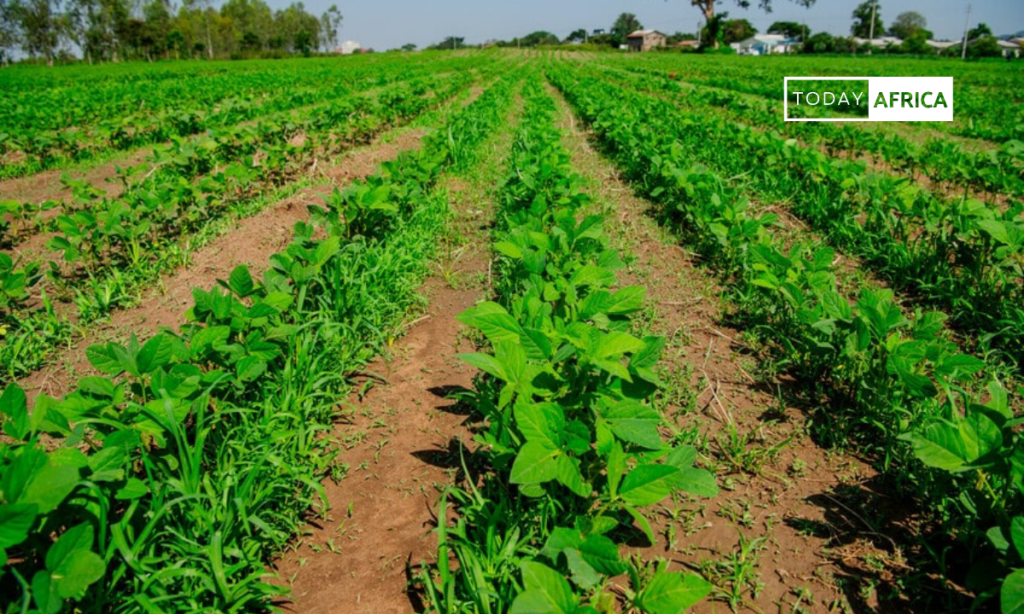
Soybeans are a foundational crop in the global agricultural economy. Approximately 77% of global soybean production is directed toward animal feed, supporting poultry, pork, beef, and aquaculture industries.
Beyond feed, soy is also central to the rapidly expanding plant-based protein sector, which now exceeds $50 billion globally and continues to grow due to dietary shifts and sustainability concerns.
Africa already produces soybeans, but the continent remains largely locked into raw commodity export models. This limits value capture and reinforces dependency on external processors.
The strategic opportunity lies in vertical integration, transforming soybeans into oil, protein concentrates, livestock feed, tofu products, and industrial inputs. This shift would move African producers from price takers in global markets to value chain participants with greater control over margins.
Read Also: You’ll Stay Poor If You Keep Choosing Low-cost Business Ideas, Try These 15 Instead
Bitter Kola
Bitter kola (Garcinia kola) is deeply embedded in African traditional medicine and has been used for generations for its perceived antimicrobial, anti-inflammatory, and digestive properties.
Globally, the nutraceutical and herbal medicine industry is valued at over $200 billion, driven by rising demand for plant-based therapeutic compounds and alternative health solutions.
What positions bitter kola as strategically important is not only its cultural relevance but its phytochemical potential. International pharmaceutical and wellness companies are increasingly investing in biodiversity-rich regions to discover new active compounds.
However, Africa’s challenge lies in the absence of structured research pipelines, commercialization frameworks, and standardized cultivation systems. Without these, high-value indigenous crops remain trapped in informal or low-margin local markets.
Bitter kola therefore represents a bridge between traditional agricultural knowledge and modern biopharmaceutical innovation.
Groundnuts
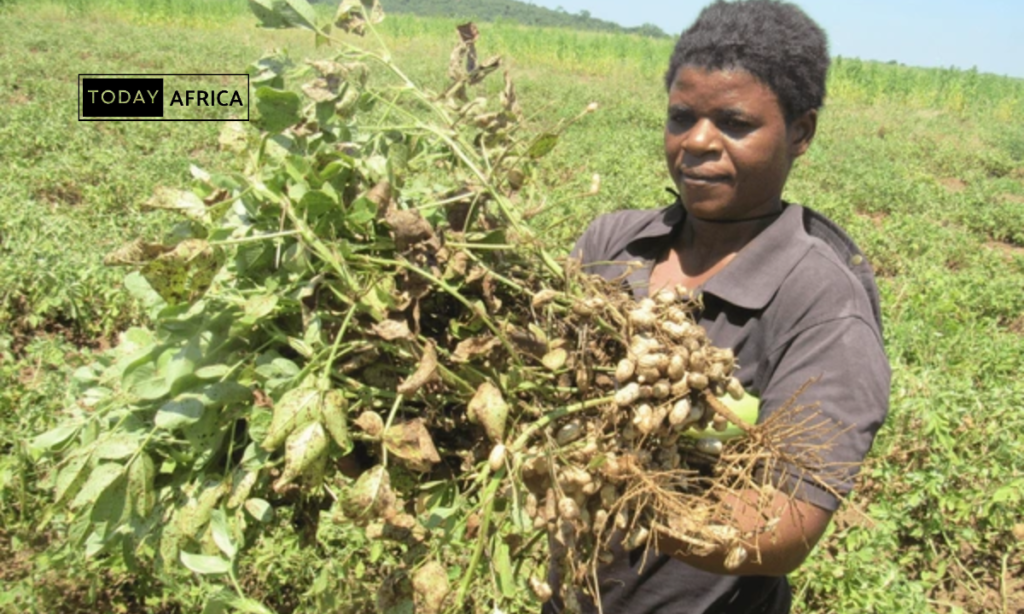
The global peanut (groundnut) market exceeds $10 billion, with growing demand across food manufacturing, confectionery, cosmetics, and industrial oil production.
What makes groundnuts particularly valuable is their multi-output processing structure. A single harvest can be transformed into:
- Edible oil
- Peanut butter
- Protein-rich flour
- Animal feed components
- Cosmetic oils
This creates multiple revenue streams across different industries from a single crop cycle. For African producers, the key limitation is not production capacity but post-harvest processing, storage systems, and quality standardization, which are essential for accessing premium export markets.
Cassava
Cassava has traditionally been classified as a subsistence crop due to its resilience in poor soils and drought-prone environments. However, this perception is rapidly changing.
Global food system shocks, particularly disruptions in wheat supply chains, have increased interest in cassava as a functional substitute for wheat-based products.
Beyond traditional consumption formats such as garri and fufu, cassava is increasingly used in:
- Industrial starch production
- Gluten-free flour markets
- Snack manufacturing
- Bioethanol production
The most significant constraint is not cultivation but processing capacity and industrial transformation infrastructure. Countries that invest in cassava value chains move the crop from food security asset to industrial commodity.
Read Also: If You’re Waiting for Money to Start a Business, Read These 12 Ideas First
Corn (Maize)
Corn remains one of the most important agricultural commodities globally due to its dual role in human consumption and livestock feed production.
In Africa, maize is a dietary staple, but globally, it is a core input in:
- Animal protein production
- Sweeteners (corn syrup)
- Industrial starches
- Biofuel production
Its strategic importance lies in its systemic integration into multiple industries, making demand highly stable and recession-resistant.
For African economies, maize represents both a food security crop and a scalable commercial commodity when integrated into industrial processing systems.
Chili Pepper
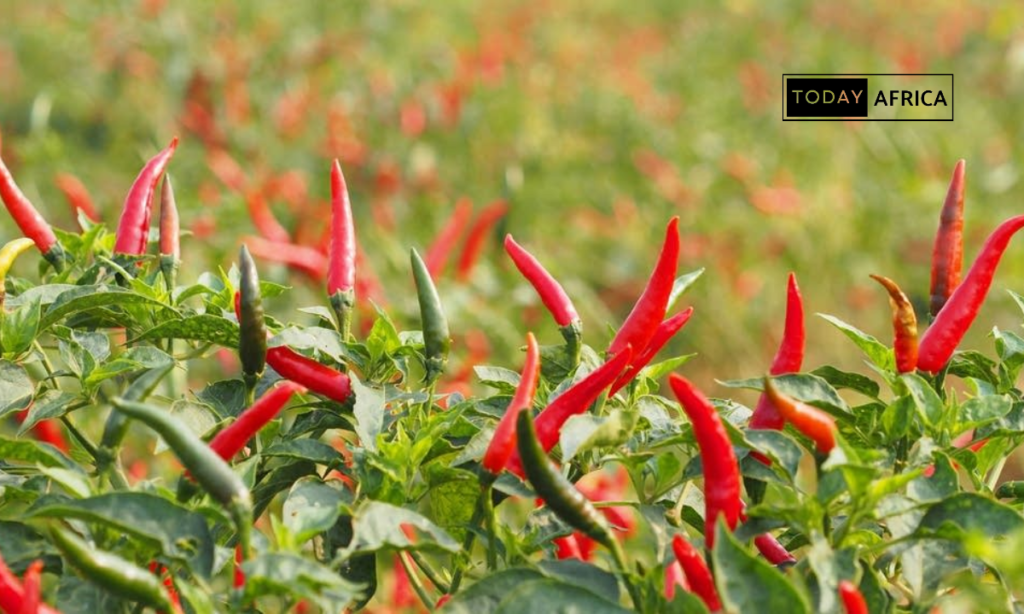
The global chili pepper market exceeds $5 billion, with consistent growth driven by food processing, culinary demand, and spice trade expansion.
Africa has strong comparative advantages in chili production due to favorable climate conditions and low production barriers.
The value chain is relatively straightforward:
- Cultivation
- Drying
- Sorting and grading
- Packaging
- Export distribution
The challenge lies in quality consistency, export compliance, and branding, which determine access to premium international markets.
Fish Farming
Aquaculture is one of the fastest-growing sectors in global food production, driven by the decline of wild fish stocks and increasing protein demand.
Fish farming offers several structural advantages:
- Short production cycles (4–6 months)
- Scalable production models
- High local demand in African markets
- Flexible production environments (ponds, tanks, cages)
Species such as catfish and tilapia dominate African consumption patterns, creating strong domestic market stability before export expansion. The key limitations remain feed cost efficiency, hatchery systems, and cold-chain logistics, which determine profitability at scale.
Strategic agricultural opportunity in Africa
Africa holds approximately 60% of the world’s uncultivated arable land, estimated at over 900 million hectares. This represents one of the largest remaining agricultural expansion zones globally.
The continent’s agricultural sector already contributes approximately $2.4 trillion to GDP, with projections suggesting a $1 trillion agribusiness expansion by 2030, driven by population growth, urbanization, and rising food demand.
However, this potential is increasingly attracting global attention. Foreign entities and institutional investors have been acquiring agricultural land across multiple African countries, signaling a shift toward long-term global food security positioning.
Read Also: How to start a security company in South Africa
A call to the African diaspora
African diaspora communities send more than $100 billion annually back home, primarily for consumption. If even a fraction of these funds were redirected toward agricultural investment, the impact would be transformative.
Investments in crops like vanilla, soybeans, cassava processing, or fish farming could generate sustainable wealth while strengthening local food systems. Africa does not lack resources; it requires strategic capital and long-term vision.
Conclusion
Africa’s agricultural transformation will not begin with policies or international summits. It will begin with individuals, farmers, entrepreneurs, and investors, making deliberate decisions.
So, choose one crop, study the market, and start small.
As another proverb reminds us, “The forest will be silent if no bird sings except the one that sings best.” The opportunity is present. The soil is ready. The question is no longer whether Africa can lead in agriculture; it is who will take the lead.
Leave a comment and follow us on social media for more tips:
- Facebook: Today Africa
- Instagram: Today Africa
- Twitter: Today Africa
- LinkedIn: Today Africa
- YouTube: Today Africa Studio