
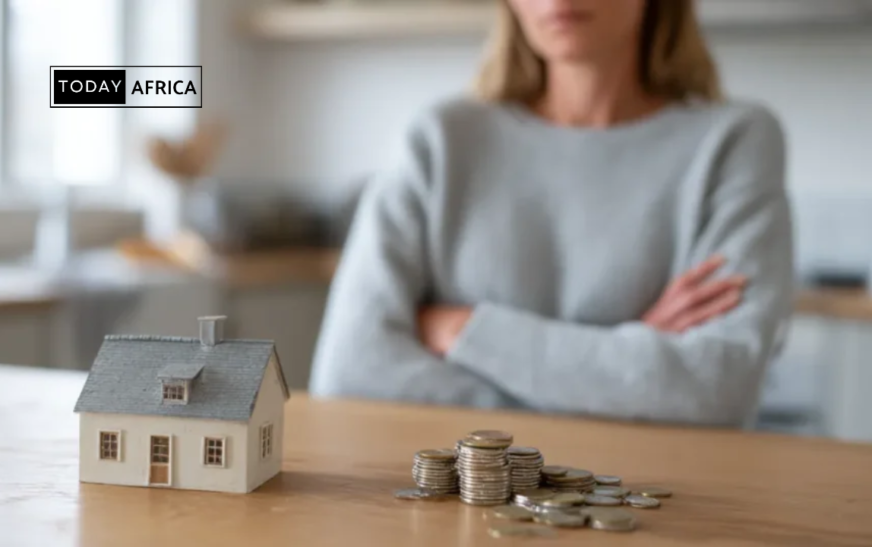
Starting an Airbnb is exciting, but it comes with a price tag that often catches new hosts off guard. From the initial property setup to the hidden costs of maintaining a guest-ready home, your startup expenses can quickly add up.
Whether you’re turning a spare room into a rental or purchasing a new property for short-term stays, understanding the full scope of costs is crucial. In this article, we’ll break down the Airbnb startup cost so you can confidently launch your rental without any nasty surprises along the way.
Basic Airbnb startup cost by property type
The Airbnb startup cost is not one neat number. It is a suitcase full of smaller costs that sneak in one by one: furniture, bedding, permits, cleaning supplies, photos, smart locks, maintenance, insurance, utilities, and that “one more thing” you suddenly need two days before your first guest arrives.
| Airbnb Setup Type | Estimated Startup Cost |
|---|---|
| Spare room in your home | $500 to $2,000 |
| Studio or 1-bedroom unit | $5,000 to $15,000 |
| 2-bedroom apartment or small house | $10,000 to $25,000 |
| 3-bedroom house | $20,000 to $35,000 |
| 4-bedroom or vacation home | $30,000 to $50,000+ |
| Buying a new investment property | Down payment + closing costs + setup costs |
A small Airbnb can start lean, but a full-property rental needs a proper launch budget. A guest does not care that you are “just starting.”
They expect clean bedding, reliable Wi-Fi, working appliances, clear check-in instructions, comfortable furniture, and a place that photographs better than it smells. That means your first big cost is not the Airbnb listing itself. It is making the property guest-ready.
Read Also: These are 7 ways to get free money to start a small business
Furniture will eat the first chunk of your budget
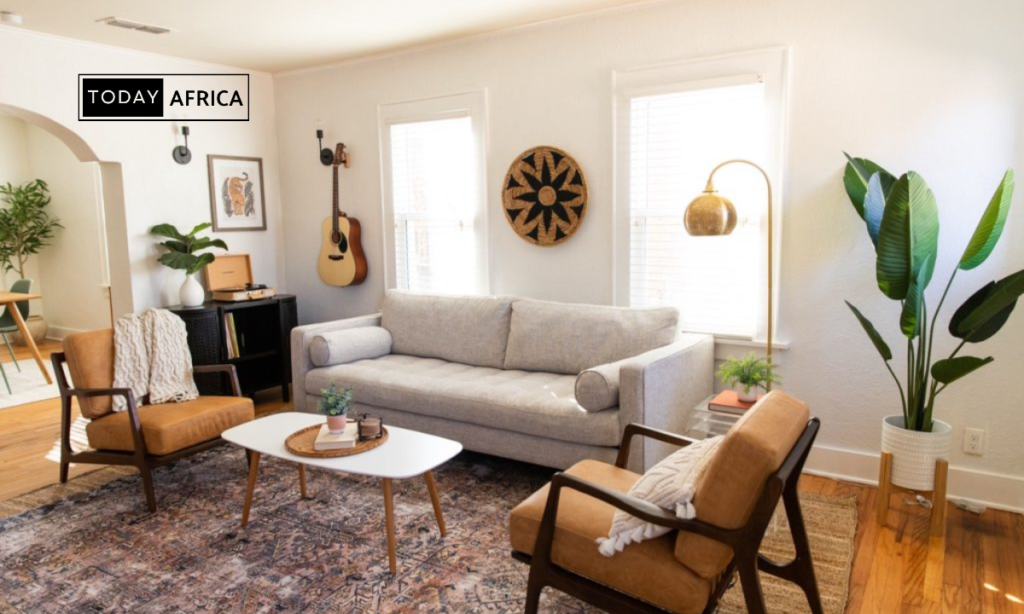
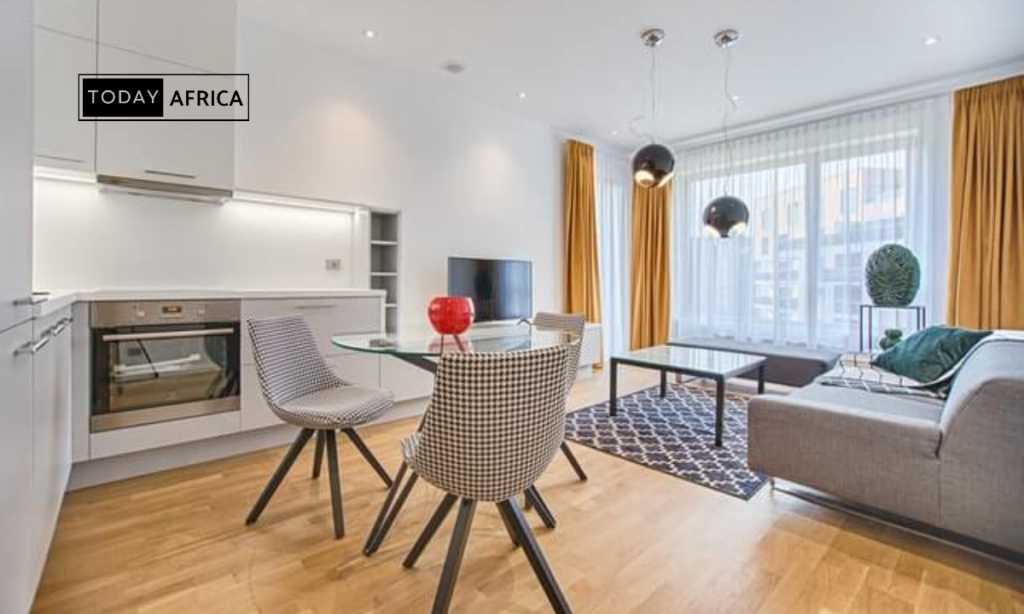
Furniture is where many new hosts get humbled. A bed, mattress, sofa, dining set, nightstands, lamps, curtains, TV stand, outdoor seating, mirrors, rugs, and basic decor can quickly run into thousands of dollars.
You do not need luxury furniture, but you do need durable furniture. Airbnb guests can be harder on a space than long-term tenants because the property is constantly being used, cleaned, packed, unpacked, and reset.
For a small apartment, expect furniture and decor to cost around $3,000 to $10,000. For a larger home, that number can climb toward $15,000 to $30,000, especially if you are styling multiple bedrooms, a living room, outdoor areas, and a kitchen.
The smart move is to buy sturdy, washable, replaceable pieces instead of delicate “showroom” items that fall apart after three busy weekends.
Linens, towels, and supplies cost more than you think
A proper Airbnb needs more than one set of sheets and two towels. You need backups. Then backups for the backups. Guests spill coffee, makeup stains pillowcases, towels disappear, and sheets wear out faster than you expect.
Budget for bed sheets, pillow protectors, mattress protectors, comforters, extra blankets, bath towels, hand towels, washcloths, kitchen towels, toilet paper, soap, shampoo, trash bags, dish soap, laundry detergent, coffee, tea, and basic pantry items.
For a small property, this can cost $500 to $1,500. For a larger home, it can hit $2,000 to $4,000. This part is not glamorous, but it protects your reviews. Guests remember a bad towel faster than they remember your accent wall.
Cleaning setup and turnover costs matter
Cleaning is not a side detail. It is the engine of the Airbnb business. You need cleaning supplies, laundry systems, replacement inventory, and possibly a professional cleaner before every check-in.
Hosts often charge guests a cleaning fee, but that does not erase the startup cost. You still need supplies, equipment, storage, and a system. Airbnb explains that cleaning fees are set by hosts to help cover preparing the property before and after stays, including cleaning supplies, professional cleaners, and fresh linens.
A realistic cleaning setup budget is $300 to $1,000 before launch. After launch, professional cleaning can become one of your largest recurring expenses, especially in high-turnover markets.
Smart locks, Wi-Fi, security, and tech
Guests love easy check-in. Hosts love not driving across town at midnight because someone cannot find the key. That is why smart locks, keypads, doorbell cameras where legally allowed, noise monitors where legally allowed, fast Wi-Fi, streaming devices, and thermostats can be worth the money.
Budget around $300 to $1,500 for basic technology. A smart lock alone can save you hours of stress. Fast internet is almost non-negotiable, especially for remote workers, families, and long-stay guests. Cheap Wi-Fi can quietly become expensive when it leads to bad reviews.
Read Also: Before you use AI again, understand these 9 different types of agents in AI
Photography is not optional
Your Airbnb photos are your storefront. Bad photos make even a good property look suspicious. Great photos make a clean, simple space look intentional.
Professional photography often costs $150 to $500, depending on location and property size. Some markets cost more. This is one of the better startup investments because photos directly affect clicks, bookings, and perceived value.
A well-lit bedroom with crisp linens can sell the stay before the guest even reads the description.
Permits, taxes, and local rules can change the budget
Before listing, you need to check local short-term rental rules. Some cities require permits, registration, inspections, zoning approval, business licenses, or hotel and occupancy tax compliance. Airbnb tells hosts they are responsible for understanding local laws and taxes before hosting, and some cities may require registration, permits, or licenses before accepting guests.
This cost can be tiny in one city and painful in another. Budget $100 to $2,000+ for permits, licensing, inspections, and compliance, depending on your location. Never skip this step. One fine can cost more than your first month of bookings.
Airbnb fees should be built into your pricing
Airbnb also takes service fees from bookings. Under the split-fee structure, most hosts pay around 3%, while guests pay a separate guest service fee. Under the single-fee structure, the full fee is deducted from the host payout, and Airbnb lists this as commonly 15.5% for many hosts under that model.
This is not exactly a startup cost, but it affects your profit from day one. If you price your Airbnb like the full nightly rate goes into your pocket, your numbers will lie to you.
Always calculate platform fees, cleaning, taxes, utilities, repairs, supplies, and vacancies before deciding whether the property is profitable.
A realistic Airbnb startup budget example
For a 2-bedroom Airbnb, a practical launch budget may look like this:
| Cost Category | Estimated Cost |
|---|---|
| Furniture and decor | $6,000 to $12,000 |
| Mattresses and bedding | $1,000 to $2,500 |
| Towels and guest supplies | $500 to $1,500 |
| Kitchenware | $700 to $2,000 |
| Smart lock and tech | $300 to $1,200 |
| Cleaning setup | $300 to $1,000 |
| Photography | $150 to $500 |
| Permits and licensing | $100 to $2,000+ |
| Repairs and touch-ups | $1,000 to $5,000 |
| Emergency cash reserve | $2,000 to $5,000 |
That puts a normal 2-bedroom Airbnb startup cost around $12,000 to $32,000, depending on quality, location, and how much work the property needs before launch.
Read Also: These 8 affordable habits are quietly making Africans in diaspora broke
Do not start with your last dollar
The biggest mistake new hosts make is spending everything before the first booking. That is dangerous. You need a cash cushion for slow months, repairs, cancellations, damaged items, broken appliances, deep cleaning, and replacement supplies.
A smart Airbnb host keeps at least three months of operating expenses available. The property may not book immediately. Your first month may be quiet. Your city may have seasonal demand. Your nightly rate may need adjusting. A reserve keeps you from panicking and slashing prices too early.
Conclusion
The real Airbnb startup cost depends on your starting point. If you already own a furnished space, you may only need a few thousand dollars to make it guest-ready.
If you are furnishing a full home from scratch, expect the budget to climb fast. If you are buying a property, the startup cost becomes much larger because you must include the down payment, closing costs, repairs, furnishing, compliance, and reserves.
A strong Airbnb launch is not about buying the fanciest sofa or copying luxury hotel design. It is about creating a clean, comfortable, reliable stay that photographs well, runs smoothly, and protects your profit.
Start with the numbers, build in a cushion, check your local rules, and treat the property like a business before you treat it like a side hustle.
Comment and follow us on social media for more tips:
- Facebook: Today Africa
- Instagram: Today Africa
- Twitter: Today Africa
- LinkedIn: Today Africa
- YouTube: Today Africa Studio