

Africa’s next generation of business investors may be living thousands of miles away from the companies they will help build.
From London and Toronto to New York, Dubai, and Berlin, Africans living abroad are becoming an increasingly important part of the continent’s investment landscape.
Their influence extends beyond sending money to relatives. They are backing startups, financing businesses, connecting entrepreneurs to international customers, and introducing investment models shaped by their experiences in global markets.
This growing relationship between Africa and its diaspora is changing how capital, knowledge, and business opportunities move across borders.
According to the African Development Bank’s African Economic Outlook 2026, remittances to Africa reached approximately $104.8 billion in 2024, compared with $11.4 billion in 2000. That expansion illustrates the financial importance of Africans living and working outside the continent.
However, remittances are not the same as business investment. Much of this money supports household needs and everyday spending.
The emerging opportunity is to create reliable channels through which Africans abroad can also invest in productive businesses, own assets, and participate in long-term economic growth.
The question is becoming increasingly important: How can Africa turn its global diaspora connections into a stronger source of business capital and entrepreneurial opportunity?
From sending money home to investing in African businesses
For decades, the economic relationship between Africans abroad and their home countries has been closely associated with remittances.
These activities remain important sources of financial support. But a more structured investment model is developing alongside them.
Diaspora professionals are increasingly participating in angel investment networks, venture capital funds, investment clubs, and cross-border business partnerships.
One example is Borderless, a United Kingdom-based investment platform founded by Joe Kinvi, a former Stripe employee.
In June 2025, TechCrunch reported that Borderless had processed more than $500,000 in transactions since launching in beta. The platform was helping diaspora investment communities pool capital for African startups and real estate projects.
Its origins were linked to Hoaq, an investment collective that brought together local and diaspora angel investors and had invested in companies including LemFi, Bamboo, and Chowdeck.
Kinvi described the opportunity:
“The diaspora sends billions of dollars in remittances, but very little of it goes into productive assets.”
His observation highlights an important distinction. Africans abroad already contribute substantial financial resources to the continent. What remains less developed is the infrastructure needed to channel more of their investable wealth into businesses through transparent, professionally managed structures.
The Borderless experience also demonstrates the practical challenges involved. Cross-border investment requires reliable payment systems, legal compliance, investor verification, and clear ownership arrangements.
Connecting investors with opportunities is only one part of the process. Making those investments secure, accessible, and manageable is equally important.
How diaspora capital connects African and global markets
Diaspora investment creates a financial connection between economies operating under different currencies, institutions, and business conditions.
An African professional earning income in euros, dollars, or pounds can potentially invest a portion of that income in a company operating in Lagos, Nairobi, Accra, or Kigali.
The investment might take the form of equity ownership, a business loan, participation in an investment fund, or capital contributed through an organized investment group.
For an African business, this can mean access to financing beyond domestic banks and traditional investors.
For diaspora investors, it creates an opportunity to participate financially in industries and markets with which they have personal, professional, or cultural connections.
However, this relationship involves more than moving money.
Diaspora professionals often understand how international companies operate. They may have experience in financial technology, manufacturing, logistics, software development, professional services, or global commerce.
That exposure can influence how African businesses approach customer acquisition, financial reporting, governance, product development, and expansion.
These connections can reduce information gaps and open doors that would otherwise be difficult for local entrepreneurs to access.
Diaspora capital becomes particularly valuable when funding arrives alongside expertise, commercial relationships, and international market access.
Related: Why global Africans are building businesses across two economies
Diaspora investors are becoming part of Africa’s startup funding system
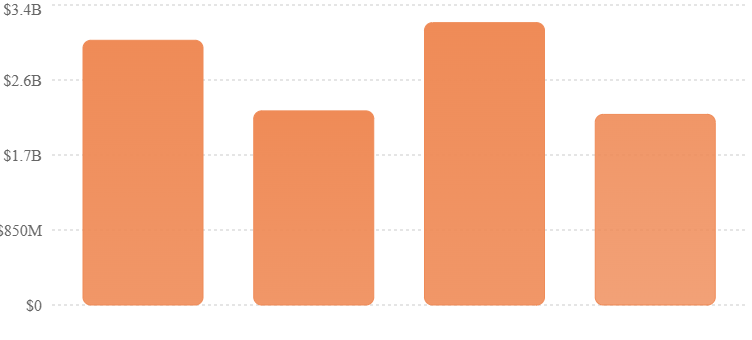
The influence of diaspora investors is developing within a wider transformation of Africa’s startup financing environment.
According to Africa: The Big Deal’s 2025 funding analysis, African startups raised approximately $3.2 billion in 2025, a 40% increase compared with 2024.
The recovery followed two consecutive years of declining investment.
The latest available figures also show that financing conditions remain challenging. In its October 7, 2026 update, Africa: The Big Deal reported approximately $2.16 billion raised by African startups during the first nine months of 2026, down 4% from the same period in 2025.
Importantly, these figures represent broader startup financing, not money invested exclusively by Africans abroad. There is no comprehensive, consistently measured continental total for diaspora startup investment.
Nevertheless, diaspora participation is increasingly visible in the investment infrastructure surrounding African entrepreneurship.
A September 2026 dataset published by The Africa Index documented 99 funding rounds involving 81 companies and identified nine diaspora-led investment firms among 60 investor firms in its sample.
These included investment organizations such as Ingressive Capital, Helios Investment Partners, Janngo Capital, and 4DX Ventures.
The dataset is not a complete census of African venture capital, but it offers evidence of how globally connected African investors participate in the continent’s financing ecosystem.
Diaspora investors are also positioned to address an important early-stage funding challenge.
Young businesses often require relatively small amounts of capital to develop products, acquire equipment, employ staff, or test customer demand. These financing needs may be too risky for conventional lenders and too small for established venture capital firms.
Angel investors and organized diaspora investment groups can potentially help bridge that gap, particularly when they understand the businesses and markets involved.
How global experience is shaping local entrepreneurship
Money is only one part of the diaspora’s contribution to African business development.
Africans working abroad have direct exposure to international markets, emerging technologies, different business models, and professional networks. When they invest in or collaborate with African companies, they can transfer some of that knowledge into local markets.
Consider the financial technology industry. African entrepreneurs operating between Europe and Africa have identified opportunities in international money transfers, digital payments, and financial services for migrants.
Companies such as LemFi and NALA reflect the commercial potential of building financial products around the experiences of internationally connected African customers.
The same principle applies to other sectors. Diaspora participation can also create opportunities for returning entrepreneurs.
Someone who has spent years working in logistics, finance, or software development abroad may recognize gaps in African markets that can be addressed through new companies.
This movement of capital and expertise creates a two-way relationship. African markets provide opportunities to build businesses, and internationally experienced entrepreneurs contribute knowledge and networks that can support their development.
The result is a more connected entrepreneurial environment where business ideas, customers, talent, and financing can move between Africa and the rest of the world.
The wider economic impact of diaspora investment
The potential benefits of diaspora investment extend beyond individual startups. When financing reaches productive businesses, it can contribute to employment, supplier development, infrastructure investment, and the expansion of local commercial activity.
A diaspora-backed food processing business, for instance, might purchase raw materials from local farmers, employ production workers, contract packaging suppliers, and distribute finished products through regional retailers.
A software company receiving investment from overseas African professionals could use that capital to employ developers, improve its technology, and enter additional markets.
These outcomes are not automatic. They depend on the commercial success of the businesses receiving capital. However, they illustrate how investment can generate economic activity beyond the initial transfer of money.
Diaspora engagement can also influence which industries attract attention. Professionals with experience in international energy markets may identify opportunities in African renewable energy infrastructure.
Entrepreneurs working in global commerce may recognize demand for cross-border logistics, payment systems, and export services. In this way, diaspora investors can help connect local business problems with commercially tested ideas from other markets.
They can also strengthen Africa’s entrepreneurial institutions by supporting accelerators, mentoring founders, participating in investment networks, and introducing international business partners.
Over time, these relationships can contribute to a deeper and more diversified financing environment.
Related: The hidden power of diaspora networks in African business growth
Why turning diaspora wealth into investment remains difficult
Despite the opportunities, investing across African borders is rarely straightforward. Currency volatility remains a major concern. An overseas investor may provide funding in dollars or pounds, but a business could earn most of its revenue in local currency.
Depreciation can significantly reduce the investment’s value when converted back into the investor’s home currency. Regulatory requirements also vary across countries.
Foreign ownership rules, taxation, securities regulations, capital repatriation procedures, and investor protections can affect how diaspora investments are structured.
Business transparency presents another challenge. A founder seeking financing may have limited audited financial information, unclear ownership documentation, or insufficient operating data.
For an investor living thousands of miles away, these gaps make it harder to evaluate opportunities. Geographic distance can also complicate monitoring.
An investor may understand the potential of a business but lack reliable access to information about its day-to-day performance.
This helps explain why organized investment networks, verified business information, and professional due diligence are becoming increasingly important.
Investors need credible opportunities. Founders need access to suitable financing. Both sides need trusted systems that reduce uncertainty.
The opportunity is therefore about building the infrastructure that makes cross-border investment more effective, rather than simply encouraging Africans abroad to send more money.
How African founders can attract diaspora investors

For African entrepreneurs, accessing diaspora capital requires more than having a compelling business idea.
Investors need to understand the market opportunity, the company’s financial position, its business model, and how their money will be used.
Founders seeking international investment should begin with clear financial records, realistic growth projections, transparent ownership structures, and evidence of customer demand.
They also need to identify diaspora investors whose professional experience and investment interests align with their businesses.
A logistics startup may find greater value in connecting with professionals experienced in international trade than in approaching investors without relevant industry knowledge.
Relationships can develop through professional associations, diaspora business networks, startup accelerators, industry conferences, and angel investment communities.
Visibility also matters. An African startup may have a promising product and growing customer base but remain unknown to potential investors abroad.
This creates demand for platforms that make African companies, founders, funding activity, and emerging industries easier to discover and evaluate.
For example, Today Africa Atlas tracks African startups, founders, funding activity, sectors, and business opportunities, helping investors and entrepreneurs understand the continent’s evolving business landscape.
Access to structured information can help founders identify relevant investment activity and give diaspora investors a clearer starting point for researching African markets.
It does not replace independent financial due diligence, but it can help address the information gaps that make cross-border business relationships difficult.
Related: Why diaspora Africans are quietly funding the next wave of startups
Where the next opportunities for diaspora capital could emerge
The next phase of diaspora investment may extend beyond the technology startups that have dominated much of Africa’s international entrepreneurship conversation.
Small and medium-sized businesses remain an important opportunity.
Manufacturing companies, agricultural processors, logistics providers, education businesses, and service enterprises often need capital to expand operations, purchase equipment, or enter new markets.
Many of these businesses are unlikely to follow the traditional venture capital model, which prioritizes rapid growth and potentially large exits.
Diaspora investment could therefore develop through a wider range of financing structures, including business partnerships, professionally managed funds, regulated crowdfunding arrangements, and appropriately structured loans.
Another opportunity lies in connecting African businesses with international demand.
Diaspora entrepreneurs are potential customers, distributors, business partners, and investors. Their familiarity with African products and overseas consumer markets can help create commercial connections.
The growth of cross-border commerce also gives businesses a reason to improve payments, logistics, compliance, and customer support infrastructure.
For investors considering these sectors, accurate market information will remain essential. The opportunities and risks differ considerably between countries, industries, and business models.
Understanding those differences will determine whether enthusiasm for African markets translates into sustainable investment.
Africa’s diaspora is becoming a business bridge to the world
The relationship between Africans abroad and the continent is entering a more commercially connected phase.
Family remittances remain a major source of economic support, but investment networks, entrepreneur-led platforms, and globally connected businesses are creating additional ways for diaspora capital to participate in African markets.
This transformation is about more than financial transfers.
It involves connecting African entrepreneurs with international experience, helping businesses access new markets, and building the institutions needed to support investment across borders.
For founders, the opportunity is to become more visible, investment-ready, and connected to relevant global networks.
For diaspora investors, it is to approach African markets with the same research, discipline, and long-term thinking required for any serious investment decision.
And for African economies, the larger opportunity is to turn global relationships into productive businesses, stronger commercial networks, and sustainable economic activity.
Africa’s diaspora is already connected to the continent through people and money. The next challenge is building stronger systems that turn those connections into lasting business opportunities.
Leave a comment and follow us on social media for more tips:
- Facebook: Today Africa
- Instagram: Today Africa
- Twitter: Today Africa
- LinkedIn: Today Africa
- YouTube: Today Africa Studio