

Founded in Barcelona in 2015, Glovo began with a deceptively simple idea. It expanded across Europe, Latin America, Central Asia, and Africa at remarkable speed.
Eventually, the company became so strategically important that German delivery giant Delivery Hero moved to acquire full control of the business in a deal that valued Glovo at billions of dollars.
But the most fascinating part of Glovo’s story may not be Barcelona. It may be Africa.
Because Africa represented something unique for the company. Not merely a new geography, but a test of whether the “super app” delivery model could survive in some of the world’s most operationally difficult urban environments.
This inside Glovo’s journey traces the founding story, their funding journey, strategic moves, societal impact, challenges, and lessons learned.
Founding story of Glovo
In early 2015, two young entrepreneurs in Barcelona, Oscar Pierre (an aerospace-engineering student) and Sacha Michaud (a seasoned tech founder), set out to solve a familiar urban headache: inefficient last-mile delivery.
They officially incorporated Glovo on March 11, 2015 with about €120K raised from friends and family.
Their simple MVP was an app with an “Anything” button: customers could tap to hire a local courier or “Glover” to fetch any item in the city.
Pierre recalls the founding vision in very human terms, “time is our most valuable resource… [we] thought we could save people a lot of time by building a digital service that allows you to send keys across town or have milk delivered to your home”.
Glovo found its first traction not with errands but with food orders; students were clicking the app to get McDonald’s and pizza delivered. Those early orders showed the model could work, and within the first year, Glovo proved viable even amid investor skepticism.
From day one, Glovo focused on high-density cities and a simple commission model. If a deal went through, the restaurant or store paid a fee, and Glovo coordinated the courier pickup.
This “anything-on-demand” ethos, highlighted by the app’s name and iconic bag, embodied their promise of citywide convenience. The early Glovo team literally held meetings over coffee or even in McDonald’s as they hustled to line up restaurants and riders.
By 2016, the core product and value proposition were set, laying the groundwork for Glovo’s rapid global push that followed
Funding history, investors, year, & purpose

- Mar 2015 (Seed): Glovo was launched with €120K from angels and family. This small seed round let Pierre and Michaud build the first version of the app and test it in Barcelona.
- 2017 (Series B): €30M raised, co-led by Rakuten Capital and Cathay Innovation. Investors included Seaya Ventures and Caixa’s VC arm. This influx valued Glovo at roughly $100–150M and financed expansion into additional Spanish cities and initial abroad forays.
- 2018 (Series C): €115M round (with Rakuten, Seaya, Idinvest, Cathay Innovation among backers). It pushed Glovo into new European markets and laid groundwork for moves into Latin America and Africa.
- Apr 2019 (Series D): €150M raised (led by Lakestar, with Drake Enterprises/Papa John’s, Idinvest, etc.). This brought Glovo to unicorn status ($1B valuation) and funded an aggressive global rollout.
- Dec 2019 (Series E): €150M round led by Abu Dhabi’s Mubadala (with Lakestar, Drake, Idinvest). It solidified investor confidence and funded further expansion. Co-founder Oscar Pierre noted this financing would accelerate growth in priority regions.
- 2021 (Series F): €450M (largest Spanish private funding round) earmarked for quick-commerce infrastructure. This capital was explicitly used to build dark stores and micro-fulfilment centers and sharpen logistics (e.g. sub-15-minute grocery deliveries) in dense cities.
- 2022 (Acquisition/Extra Funding): Delivery Hero, which had owned a 44% stake, bought an additional 39.4% of Glovo, making it the majority owner. By mid-2022, Delivery Hero owned 94% of Glovo. These deals (part cash, part equity) helped accelerate Glovo’s international expansion and technology buildout under a deep-pocketed parent.
Each funding round had a clear mission: raise market share and build infrastructure. Early rounds paid for user acquisition and city launches; later rounds went into tech and warehousing. For instance, the €450M Series F was largely allocated to dark-store rollouts and micro-fulfilment centers.
Glovo’s burn rate was high, the strategy was essentially “growth first, profits later”, but investors (including giants like Rakuten, Seaya, Lakestar, Mubadala and Papa John’s owner Drake Enterprises) backed the bet that a pan-regional “everything delivery” platform could eventually dominate.
Overall, Glovo’s valuation climbed from near zero in 2015 to unicorn status by 2019, and the Delivery Hero buyout valued the company at roughly €2.3 billion.
Read Also: Inside Spiro’s journey: Electrifying Africa, one motorcycle at a time
Strategies fueling growth
Glovo’s explosive scale was built on a multitiered strategy that combined hyper-expansion, platform breadth, and operational agility. Below are the key pillars:
African-specific adaptation
Glovo tailored operations to each country’s reality. It supported cash-on-delivery where needed (customers could pay riders in cash, with Glovo reimbursing the rider via app) even as it also accepted cards and local e-wallets.
In cities without standardized addresses, Glovo’s app lets users drop pins or give driver instructions. It staffed local teams who spoke native languages and partnered with municipal governments when necessary (for example, arranging large courier events or pop-up hubs).
The company notes that understanding each market’s nuance, for instance, Nigeria’s market of 200M people and booming tech scene, is crucial. As one Glovo Africa executive observed, Nigeria offers “population and momentum,” meaning if Glovo can ride that wave, success follows.
Market expansion
Glovo deliberately targeted underserved yet dense markets in Europe, LatAm and Africa rather than saturating the U.S./UK. It focused on cities with high smartphone penetration and weak incumbents.
For example, after proving the model in Barcelona, Glovo moved into Southern Europe and then into Africa, choosing Nigeria, Kenya, Morocco, Uganda, Ghana and Ivory Coast where few competitors were strong.
The idea was to go first, capture market share, and become one of the top players fast. By late 2021 Glovo was live in over 40 African cities across six countries, cementing its footprint before many rivals even arrived.
Super-app positioning
From the outset, Glovo sold itself as “the app that delivers anything in your city.” Rather than only focusing on restaurants, it expanded the platform to groceries, pharmacies, retail goods, and courier services.
This broad “everything-on-demand” approach meant a user could order groceries and a new phone case in the same app. General Managers frequently emphasize this multi-category vision, as one Glovo Africa executive put it, they strive to “deliver anything that fits on a bike”.
This means Glovo carefully balanced its mix: food delivery still drives volume, but groceries (via Glovo Market) and express retail (often from partner stores) started to contribute a growing share of orders.
Operational flexibility
Glovo’s logistics model relies on a large pool of gig-economy riders (the “Glovers”) who sign up with minimal upfront costs. Onboarding is rapid: in high-demand markets like Nairobi or Lagos, Glovo regularly recruits thousands of bikers and motorcyclists by advertising sign-on bonuses and flexible pay.
The tech backend provides real-time route optimization (using AI-powered dispatch algorithms) to match couriers with multiple deliveries efficiently.
Importantly, Glovo built out physical infrastructure in key cities: it launched dozens of “dark stores” (small warehouses for rapid order picking) in African cities so groceries could be delivered in under 30 minutes.
These micro-fulfilment centers were a capital-intensive shift but gave Glovo a speed advantage over food-only apps.
Partnerships and ecosystem
Glovo forged alliances across the local business landscape. It partnered with restaurant chains and delivery menus (doing everything from Taco Bell to local street-food vendors) to ensure a wide culinary selection.
It also teamed up with supermarkets and retail chains: for instance, in Kenya, Glovo inked deals with Naivas, Carrefour and Chandarana, quickly capturing over half of that country’s online grocery orders. Pharmacies, convenience stores and even florists were plugged in, making Glovo a go-to network.
Glovo also worked with payments and telco firms; for example, it integrated local mobile money options (Kenya’s M-Pesa, Nigeria’s USSD transfers) to handle Africa’s cash-heavy economy.
One noteworthy tie-up was with Mastercard, which collaborated on programs like meal donations and digital coupons to boost merchant transactions. These partnerships created a “last-mile platform” effect, where Glovo became a marketplace of thousands of small vendors and couriers.
Competitive tactics
To capture market share, Glovo often used promotions and discounts. Early adopters were lured by offers like free delivery or app credits, in Kenya, the platform is known to run frequent flash deals. Glovo also tended to enter markets aggressively (sometimes being the first mover).
If a local rival existed, Glovo sometimes acquired or folded it; for instance, in 2021, Glovo bought Spain’s Lola Market and Portugal’s Mercadão to bolster its quick-commerce lineup. The strategy was to tilt scale in Glovo’s favor, aiming to be the #1 or #2 player quickly.
This aggressive approach won customers, but it also fueled intense discount wars. On pricing, Glovo tried to balance commissions to merchants: in some markets, it later agreed (under regulatory pressure) to cap commissions (e.g. at 30% in Morocco) in order to keep partners on the platform.
Speed of delivery, promising anywhere from 30 minutes to under-15-minute service for local products, was another key selling point.
Technology & logistics
Behind the scenes, Glovo invested heavily in tech. It built rider apps with features like live tracking, dynamic pricing and heat-map demand forecasting. Machine learning optimized delivery routes and predicted busy times.
On the logistics side, the creation of dark stores (often small suburban warehouses) was a strategic gamble to own the supply chain. In African capitals like Nairobi and Lagos, Glovo’s quick-commerce hubs let it promise delivery in 20–30 minutes for a limited zone.
This 15- to 30-minute economy is hyper-competitive globally, but Glovo bet that urban African cities (with rising incomes and hungry customers) would reward that convenience.
Read Also: Inside Wasoko’s Journey: Transforming Access to Essential Goods and Services
Competition in the delivery and e-commerce ecosystem
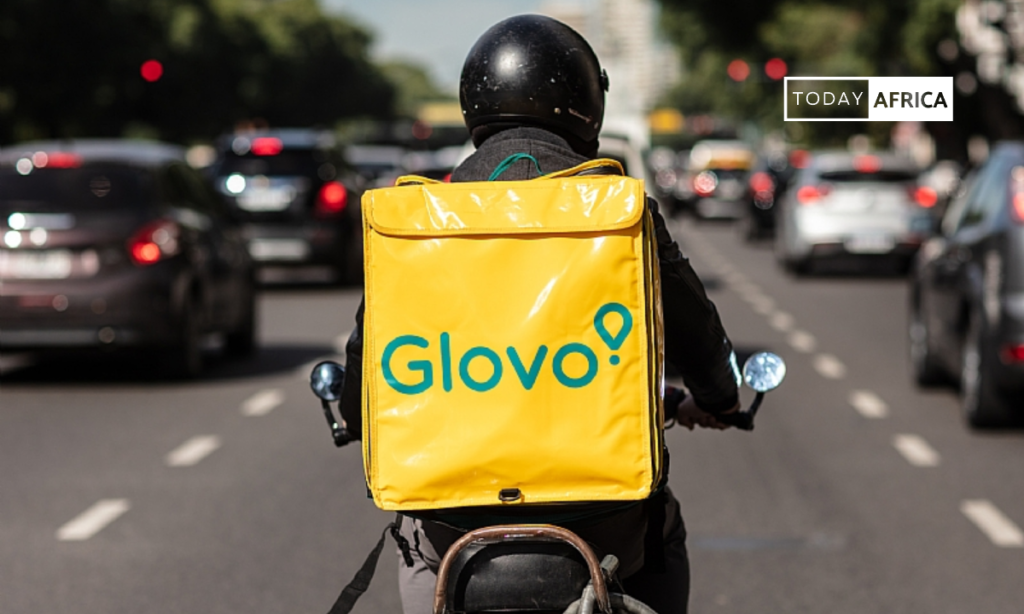
Glovo operates in a crowded, cutthroat field. In each market, it faces both global giants and local challengers.
For example, Business Insider noted that any food-delivery play in Kenya must contend with top players like Bolt Food, Jumia Food, and Uber Eats, all of which hustle for both restaurants and customers.
Similarly, in Nigeria, Glovo squares off against local platforms: a recent TechCabal report names startups like Chowdeck and HeyFood alongside well-funded global entrants.
Jumia Food (once Africa’s delivery pioneer) and new services like food delivery via OPay have also vied for market share. Even logistics firms (Sendy in Kenya, Lori Systems in East Africa) sometimes dabble in courier competition.
Strengths
Glovo’s edge lies in its multi-category network and technological stack. Its mobile app can handle virtually any order, giving it an advantage over “food-only” rivals. Early entry into many cities means it often enjoys first-mover loyalty.
Its back-end tech (AI dispatch, data analytics) is mature on a global scale, and its parent Delivery Hero provides extra resources. In markets like Morocco or Nigeria, Glovo has also won regulatory green lights, often operating with clear licenses where informal players can’t.
Weaknesses
On the flip side, Glovo is hampered by the same razor-thin margins that plague the industry. Delivery is expensive (drivers, fuel, promotions) and customer price-sensitivity is high. Local competitors sometimes undercut Glovo on fees or offer deeper discounts.
Operational glitches (like delays in traffic-congested cities) can hurt the brand. In Africa specifically, Glovo must learn to compete in cash economies and fragmented markets. For instance, unlike Europe, loyalty is low: a customer in Lagos might frequently switch between Glovo, Bolt Food, or a local startup for a better deal.
Industry observers also note systemic pressures. A TechCrunch analysis comments that becoming #1 or #2 is vital for any on-demand app to survive, otherwise “you’ll be left standing with [little chance to grow again] or be consumed”.
,The report candidly calls delivery apps a “thin margin space” requiring consolidation. This was borne out by the 2020 trend of exits and mergers: even before Africa’s story, Glovo withdrew from Turkey, Egypt and Latin markets to refocus on core geographies.
Glovo itself has hinted at continuing mergers or partnerships: for example, in 2021, it absorbed Delivery Hero’s Peru and Colombia units and struck grocery-tech deals in Europe. Globally, rivals like DoorDash (via Wolt) and Uber Eats aggressively expand into new continents.
Impact on society and the African digital economy
Glovo’s expansion has generated significant economic and social ripple effects. On the jobs front, it has created tens of thousands of courier gigs across the continent (e.g. thousands of riders in Nigeria and Kenya alone).
By 2021, the company reported over 50,000 active couriers worldwide; a substantial chunk of these work in African cities. In Nigeria’s case, Glovo disclosed it delivered 38 million items in 2025, a throughput that translated into notable business volume for on-platform merchants.
For many young Africans, being a Glovo rider became a source of income in cities where formal employment is scarce. Some cities even saw mini-economies form around these apps – service stations and repair shops catering to motorbike couriers, for instance.
Glovo boasts that it “empowers SMBs”, its Nigerian GM Reni Onafeko emphasized, “providing the tools, technology and access [SMBs] need to grow”.
Co-founder Sacha Michaud similarly noted Glovo helps “accelerate digitalization” in these markets by linking local stores to rising demand. In practice, a mom-and-pop grocery in Accra or a roadside eatery in Kampala can triple its customer reach by going on Glovo’s app, and many have done so.
This means more cash flowing through mobile wallets and banks, nudging a traditionally cash-based economy toward digital payments.
In turn, consumers have grown more comfortable with on-demand services. Statistics from 2021 show Glovo already had over 300,000 users across Africa interacting with 8,000 restaurants and 12,000 couriers.
These orders, whether for fast food, groceries, or medicine, represent a behavioral shift. People no longer need to go physically to shops for many needs; they are cultivating a habit of instant commerce.
This cultural shift is valuable: it normalizes e-commerce and can spark spin-off ventures (delivery startups, fintechs offering microloans or payments for riders, logistic innovators building upon Glovo’s model).
Finally, Glovo’s logistics footprint is literally building infrastructure. Its dark stores and fulfilment centers are physical investments, often tiny warehouses in central neighborhoods. While these primarily serve Glovo orders today, they also expand overall delivery capacity in a city.
In large cities like Nairobi and Lagos, the network of couriers weaving through streets at odd hours has pressured city planners to reconsider traffic laws and pedestrian safety.
In fact, Glovo partnered with Nigeria’s road-safety agency in 2026 on a smart helmet program that sensors rider behavior, a high-profile example of how the firm’s presence is prompting new infrastructure and policy projects.
Read Also: Inside mPharma’s Journey: Fixing Pharmacy Supply Chains at Scale
Challenges Glovo faced
Glovo’s journey has not been without setbacks and controversies.
Operational strain
The company’s “growth at all costs” model meant relentless spending and occasional service hiccups. In Africa’s sprawling cities, navigational headaches (lack of formal addresses, clogged traffic) often led to missed delivery windows.
During rapid scale-up Glovo struggled at times to match rider supply with surging demand, leading to delays or canceled orders in places like Lagos or Nairobi. High driver turnover (due to labor conditions) also raised costs.
All this fed into a stark reality: in 2020, Glovo admitted it needed to cut losses.
The TechCrunch analysis of that time noted Glovo’s withdrawals from Turkey and the Middle East were part of a strategy to chase profitability targets by early 2021. In other words, tough choices had to be made: exit smaller markets, tighten spending, and bet on the winners.
Regulatory and legal issues
Like many gig platforms, Glovo navigated thorny legal terrain. In Europe it has faced labor lawsuits over rider classification (Spain’s new labor law forced food apps to recognize couriers as employees). In Africa, regulatory frameworks are still evolving.
Notably, in March 2026, Moroccan authorities abruptly ordered Glovo to shutter all seven of its grocery dark stores. The move came amid a probe by Morocco’s competition authority (Glovo had been accused of exclusivity deals with restaurants).
Glovo ended up agreeing to remove exclusivity clauses and cap commissions after that crackdown.
More broadly, each country presents tax, compliance and permit challenges; Glovo’s local teams often had to work out licenses for delivery, reconcile with postal services, and adapt to shifting regulations on data/privacy and e-payments.
Worker welfare
Courier grievances have also surfaced. In Casablanca, protesting riders decried “slave-like” pay and demanded better conditions, pressuring Glovo to boost rates after negotiations. In Ghana, local partners cited difficult economics and rider retention issues. The company has set up some rider support programs (accident insurance, bonuses), but public perception issues linger: critics argue gig workers need more rights in these markets.
Market exits and competition
Glovo’s own withdrawals highlight its challenges. In Ghana, after pouring €3.5M into expansion, Glovo announced in April 2024 that it would cease operations there by May 10, 2024, blaming profitability issues. High local taxes and inflation, among other factors, made Ghana unviable despite initial optimism.
Similarly, Glovo pulled out of less-promising international markets (Turkey, Latin America) in 2020 to sharpen its focus. Competitive pressure is intense: new entrants (like Nigeria’s OPay-backed Glovo rival, Heckyl) continually test Glovo.
Read Also: Inside InstaDeep’s Journey: From Two Laptops in Tataouine to a $682M Acquisition
Glovo’s future, sustainability, and lessons for startups

Glovo’s place in Africa hinges on whether its “super-app quick-commerce” model can finally become sustainable. Profitability remains the elephant in the room. The industry’s burn rate means investors will be watching unit economics closely.
Delivery Hero’s takeover (2022) injected patient capital, but even that group is keen to eventually see returns.
Glovo executives have signaled some confidence: co-founder Sacha Michaud once said they are already profitable per order in their strongest markets, but admitted it “varies country by country”.
The company aims to improve margins via efficiency (more orders per courier, fewer incentives) and scale.
Delivery Hero’s acquisition is a key piece. By gaining 94% of Glovo, Delivery Hero vastly expanded its reach without overlapping its main markets. Post-deal, Glovo largely operates semi-independently but benefits from Delivery Hero’s resources and network (for instance, payment infrastructure and shared tech).
This may help Glovo invest further in Africa without chasing new venture rounds. For Glovo employees and founders, the buyout provided an exit value (Pierre remained CEO, so operational control stayed in Barcelona) but with a stronger backer.
The move also signals a future of consolidation: as Delivery Hero CEO noted, combining the two companies can strengthen market leadership rather than risk wasteful competition.
For African founders, Glovo’s story offers cautionary lessons. On one hand, it shows the power of first-mover advantage. Glovo’s early entry captured mindshare; Lagos and Nairobi residents often think first of Glovo when ordering delivery, giving it a leg up over latecomers.
Aggressive launch speed (hundreds of new cities) also staked out territory. However, Glovo’s struggles underscore the danger of over-expansion without clear profitability. Startups should think carefully about unit economics: growth requires massive subsidies, and markets can change (as seen in Ghana).
Balancing scale with sustainability is key. Additionally, Glovo’s need to partner and localize highlights the importance of ground-level strategy: hiring local experts, adapting to payments and addressing norms, and working with regulators can make or break expansion.
Conclusion
Glovo set out to make “anything delivery” a reality and made huge strides, especially across Africa. It changed how cities like Lagos and Nairobi eat, shop and move goods. Its tale is a lesson in rapid scale: success demanded bold bets on funding, technology and expansion.
But it’s also a story of trade-offs – between growth and economics, between global ambition and local adaptation. For African tech, Glovo’s journey highlights both the opportunities in e-commerce and the challenges of execution.
As the company (now under Delivery Hero’s wing) refines its model, the biggest lessons remain: know your market deeply, be nimble when strategy needs to shift, and remember that in quick commerce, sustaining momentum means balancing speed with sound business.
Leave a comment and follow us on social media for more tips:
- Facebook: Today Africa
- Instagram: Today Africa
- Twitter: Today Africa
- LinkedIn: Today Africa
- YouTube: Today Africa Studio