

Influencer marketing has transformed the way brands connect with audiences. Gone are the days when celebrity endorsements dominated; today, micro-influencers and niche creators often yield higher engagement and trust.
Businesses are realizing that a carefully structured influencer campaign can amplify brand visibility, drive conversions, and create authentic connections with customers.
This article explores how to run an influencer marketing campaign with actionable strategies that maximize reach, relevance, and ROI.
What is influencer marketing?
Influencer marketing is the practice of partnering with individuals who have established credibility and a loyal following to promote a brand, product, or service.
Unlike traditional advertising, influencer marketing leverages social proof and authenticity. People are more likely to trust a recommendation from a creator they follow and admire than a generic ad.
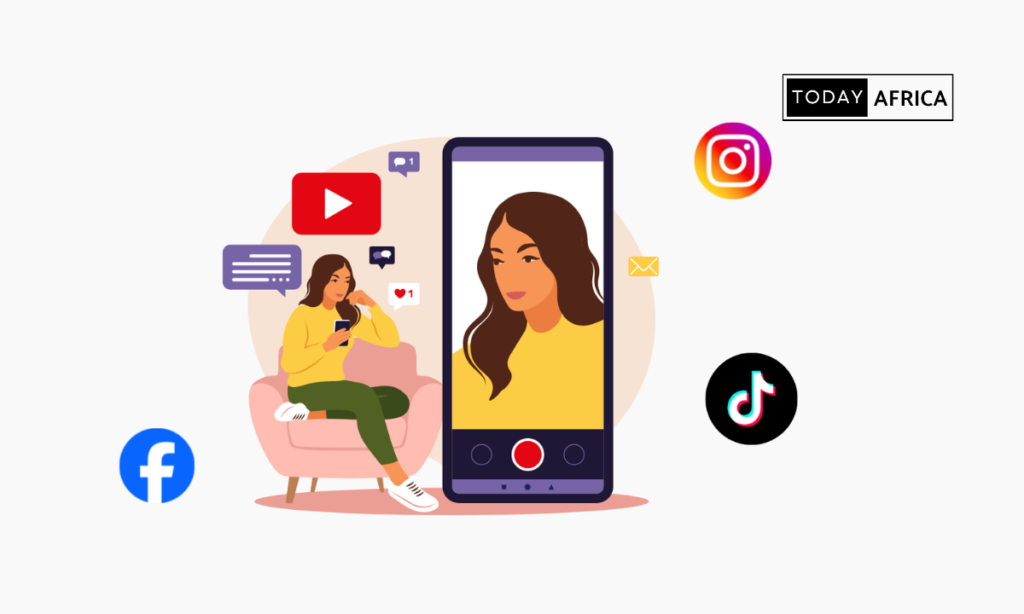
The influencer landscape has grown rapidly alongside social media platforms. Platforms like Instagram, TikTok, and YouTube have created micro-communities where engagement is high, and trust is strong. Businesses of all sizes now leverage influencers to expand their reach without spending excessively on traditional advertising.
According to a 2025 Statista report, global influencer marketing spending is expected to exceed $24 billion, underscoring its undeniable impact on modern marketing strategies.
The rise of social media influencers
Social media influencers come in many forms, from celebrities with millions of followers to micro-influencers with highly engaged niche audiences.
Instagram and TikTok are particularly effective for lifestyle, fashion, and consumer products, while YouTube and LinkedIn provide strong engagement for long-form content and professional niches.
Platforms continue to evolve, introducing features like Instagram Reels or TikTok Live, allowing influencers to connect with audiences in more authentic, interactive ways.
Understanding these nuances is critical to tailoring campaigns for maximum relevance and engagement.
12 essential strategies needed to have a successful influencer marketing campaign
Identifying the right influencers
Finding the right influencer goes beyond follower count. Brands need to analyze audience demographics, engagement rates, niche relevance, and past collaborations. A creator whose values and content style align with your brand ensures the message resonates authentically.
Influencers should also be vetted for quality content production, consistent posting, and professional communication. Selecting a mismatched influencer may generate reach but fail to drive meaningful engagement, resulting in wasted budget and a diminished brand image.
Micro-influencers usually have between 5,000 and 100,000 followers. They offer highly engaged audiences and a sense of personal connection, often leading to higher conversion rates.
Macro-influencers, with over 100,000 followers, can generate massive reach but may command higher fees and deliver less personalized engagement. Brands often achieve the best balance by combining micro and macro influencers: micro for trust and macro for visibility.
Setting clear campaign goals
Before reaching out to influencers, set clear objectives for your campaign. Goals may include brand awareness, increasing followers, boosting sales, or driving website traffic. Establishing measurable KPIs ensures campaigns remain on track and performance can be accurately assessed.
Align goals with overall marketing strategy. For example, a product launch might focus on awareness and pre-orders, while a loyalty campaign could emphasize repeat purchases and engagement. This alignment ensures influencer marketing contributes directly to the brand’s broader objectives rather than functioning as an isolated tactic.
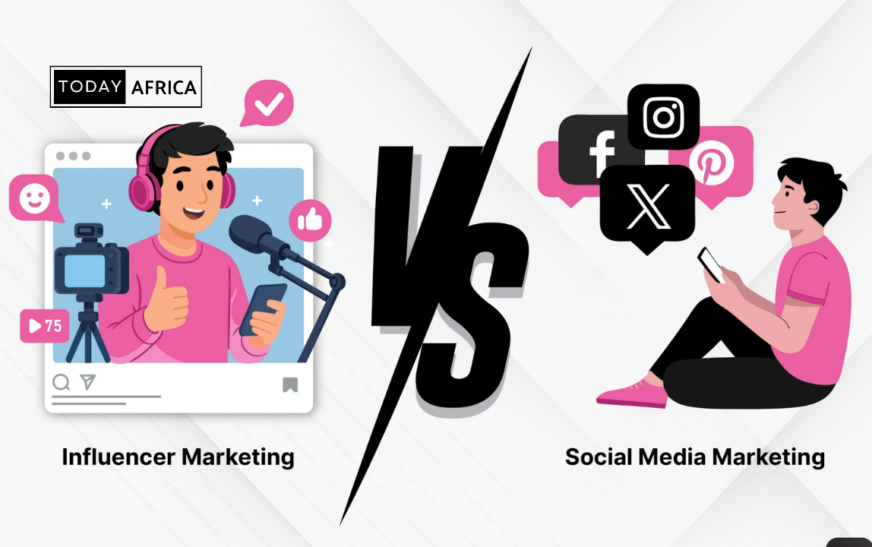
Read Also: Influencer marketing vs paid social ads: Comparison
Crafting an authentic message
Authenticity is the cornerstone of effective influencer marketing. Audiences can detect overly scripted content or forced promotions, which can undermine trust. Collaborate with influencers to create messaging that feels organic and aligns with their style.
Storytelling drives connection. Instead of focusing solely on product features, encourage influencers to share personal experiences, challenges, or transformations. This approach creates an emotional bond with the audience, increasing both engagement and the likelihood of conversion.
Choosing the right platforms
Selecting the right platform ensures campaigns reach the most receptive audience. Instagram is ideal for visual storytelling; TikTok excels with short, creative videos; YouTube supports long-form tutorials and vlogs; and LinkedIn is effective for B2B engagement. Each platform requires a unique approach to content creation, tone, and engagement.
Brand campaigns should prioritize platforms based on audience demographics, content type, and campaign objectives. Understanding platform trends and features enables marketers to leverage tools like Instagram Reels and TikTok Trends to gain higher visibility.
TikTok attracts younger audiences who value entertainment and authenticity, while Instagram appeals to consumers of visual storytelling and lifestyle content. YouTube engages viewers seeking detailed tutorials and reviews. Matching content type with platform ensures campaigns resonate and engagement is maximized.
Budgeting your campaign
Budget planning is critical. Influencer costs vary based on follower count, content type, platform, and campaign scope. Payment models include flat fees, affiliate commissions, product exchange, or performance-based incentives. Allocating budget strategically ensures optimal ROI without overspending.
When calculating ROI, consider not only direct sales but also brand awareness, follower growth, and the value of user-generated content. Budgeting should reflect both immediate and long-term campaign goals.
Outreach and relationship building
Influencer partnerships are more effective when built on genuine relationships. Personalized outreach, respectful communication, and attention to the influencer’s creative process increase the likelihood of successful collaboration. A strong relationship encourages ongoing partnerships and authentic content creation.
Regular engagement, feedback, and acknowledgment of influencer efforts foster loyalty. Long-term relationships often outperform one-off campaigns, producing consistent brand advocacy and higher credibility with audiences.
Several tools simplify influencer discovery, including Upfluence and AspireIQ. These platforms allow brands to filter influencers by niche, audience demographics, engagement rate, and platform presence. Using tools alongside manual research ensures a comprehensive influencer shortlist.
Read Also: 10 strategic ideas to grow business with precision
Creating a campaign timeline
Effective campaigns require structured timelines. Define content deadlines, posting schedules, and promotional periods. Coordinating multiple influencers and platforms ensures consistent messaging across all channels.
A content calendar helps track progress and avoid last-minute content gaps. Campaign timelines should account for review, approvals, and adjustments based on early engagement metrics.
Legal and compliance considerations
Compliance is non-negotiable. Influencers must adhere to FTC guidelines, including proper disclosure of sponsorships or gifted products. Contracts should specify deliverables, intellectual property rights, and confidentiality agreements.
Clear legal agreements protect both brand and influencer while maintaining audience trust. Failing to comply can result in fines, reputational damage, or a suspension of the campaign.
Monitoring and tracking performance
Analytics are essential to understand campaign effectiveness. Track engagement rates, reach, clicks, conversions, and ROI. Real-time monitoring allows adjustments in messaging, content format, or influencer selection.
Campaign dashboards consolidate metrics across platforms, providing actionable insights. Monitoring helps brands understand what resonates, enabling smarter decisions for future campaigns.
Track likes, shares, comments, website traffic, and sales generated from influencer campaigns. Understanding both qualitative and quantitative metrics ensures campaigns are optimized for long-term success, not just immediate impressions.
Leveraging user-generated content
Influencer content can double as user-generated content (UGC) and be repurposed across brand channels. This strategy extends campaign value, reinforces authenticity, and boosts social proof.
Highlighting influencer-created content on websites, social media, and email marketing channels amplifies reach. UGC reduces production costs while maintaining high-quality, credible content.
Measuring ROI
Calculating ROI involves more than direct sales. Metrics like engagement, follower growth, website traffic, and content shares provide a comprehensive view of campaign impact. Comparing these outcomes to campaign spend determines effectiveness.
Brands should document qualitative benefits, including increased brand awareness and trust, alongside quantitative metrics. This approach ensures campaigns are evaluated holistically, driving strategic improvements.
Read Also: How to grow my business online this year
Common mistakes to avoid
Many campaigns fail due to poor targeting, over-reliance on follower count, or ignoring analytics. Other mistakes include a lack of alignment with brand values, inconsistent messaging, and failure to comply with legal requirements.
Avoiding these pitfalls ensures campaigns are efficient, effective, and credible. Learning from past errors strengthens future influencer marketing strategies.
Conclusion
Influencer marketing is a powerful tool when executed strategically. By identifying the right creators, crafting authentic messages, monitoring metrics, and adhering to legal standards, brands can drive engagement, amplify reach, and achieve measurable ROI.
Careful planning, relationship building, and ongoing performance tracking ensure campaigns remain relevant and impactful. Start small, iterate, and optimize campaigns over time to build lasting brand advocacy through trusted influencers.
Leave a comment and follow us on social media for more tips:
- Facebook: Today Africa
- Instagram: Today Africa
- Twitter: Today Africa
- LinkedIn: Today Africa
- YouTube: Today Africa Studio