
South Africa is a safari lover’s dream, offering sprawling savannahs, dense bush, and a chance to witness the Big Five in their natural habitat.
But timing can make or break the experience, and not all months are created equal for spotting wildlife or enjoying comfortable weather. Choosing the right season means balancing clear sightings, pleasant days, and a safari experience that feels effortless rather than rushed.
This article explains the best safari months, the benefits of the dry season, the perks of the rainy season, and smart planning tips.
Why May to October is the best safari window
The best time to visit South Africa for safari is usually from May to October, and there’s a good reason travelers keep hearing that advice. These months fall across the dry winter period in many of the country’s top safari regions, especially the northeast.
The bush becomes thinner, the grass drops lower, and animals move closer to rivers, dams, and waterholes. That makes sightings easier, cleaner, and more exciting for guests who don’t want to spend half the day staring into thick green cover.
This doesn’t mean every other month is a poor choice. South Africa is a year-round safari country, and each season brings its own charm.
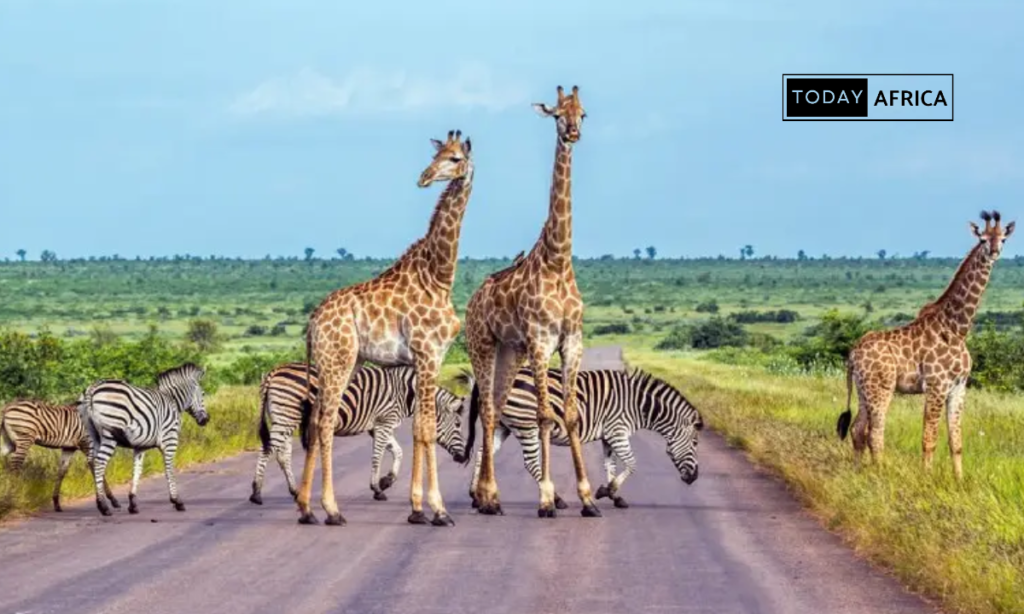
Still, the dry months give first-time visitors the best chance of seeing elephants, lions, buffalo, rhinos, leopards, giraffes, zebras, and antelopes in more open areas.
The days are often sunny, the air is crisp, and the risk of heavy rain is lower in places like Kruger National Park. For many travelers, that mix feels like the sweet spot.
The dry season advantage
Dry season safari travel works because wildlife follows water. As small pools dry up, animals gather around the few reliable water sources left in the landscape.
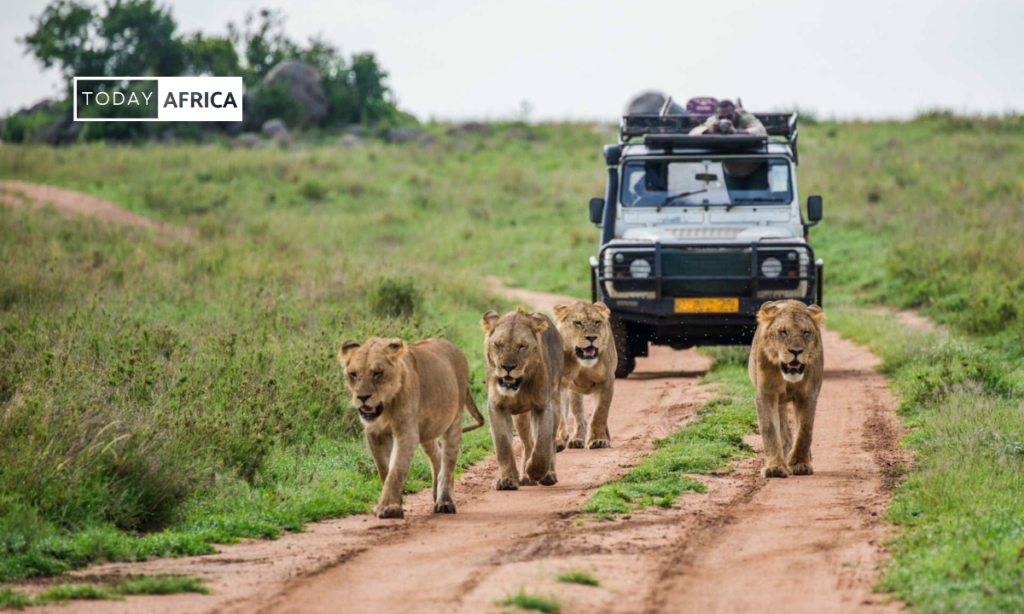
Predators understand this rhythm too. Lions, leopards, hyenas, and wild dogs often patrol routes near prey movement, which can make game drives feel more active and rewarding.
You still need patience, of course, because this is nature, not a theme park. Yet the odds often feel kinder during this period.
Another big benefit is visibility. In the green season, tall grass and leafy trees can hide animals that may be just a few meters away. During the dry months, the bush opens up, and guides can read tracks, movement, and animal behavior more clearly.
Photographers also enjoy cleaner lines of sight. A leopard on a branch, a herd of elephants at a dam, or a lion crossing a dusty road can stand out beautifully against the winter bush.
Read also: When is the best time to visit South Africa
Month-by-month safari timing in South Africa
A month-by-month view helps you pick the right safari for your travel style. The best time to visit South Africa for a safari can shift depending on your goal.
Some travelers want Big Five sightings above all else. Some want fewer vehicles at sightings. Others want warm weather, baby animals, green landscapes, or better prices.
South Africa gives you options, and that’s one reason it works for both first-time safari guests and repeat travelers.
The easiest way to think about safari timing is to split the year into dry season, shoulder months, and green season. May to October is the classic wildlife window.
November to April brings rain in many northern safari areas, but it also brings dramatic skies, fresh grass, migratory birds, and newborn animals.
The “best” month depends on what you’ll enjoy most once you’re actually sitting in the vehicle, camera ready, eyes scanning the bush.
May and June
May is a lovely entry point into safari season. The rains have usually eased in northern parks, but the land may still hold some of the green beauty of summer.
Temperatures are cooler, crowds can be lighter than midwinter, and the bush begins to open. This makes May a strong month for travelers who want good sightings without the hardest chill of deep winter mornings.
June feels more clearly like winter. The nights get colder, the mornings can bite, and wildlife viewing continues to improve as water becomes less scattered.
This is a great time for guests who value calm, clear weather. It’s also a strong month for private reserves near Kruger, where skilled guides and trackers can turn quiet morning drives into memorable sightings.
July and August
July and August sit near the heart of peak safari season in many areas. These months bring high wildlife visibility, dry landscapes, and excellent chances to see animals gathering near water.
They can also bring more travelers, especially around school holidays. If you want to travel during this period, book early and choose your lodge carefully.
A well-run lodge can still make peak season feel smooth and personal.
August often feels like classic safari weather. The bush is dry, the air is clear, and animals are easier to spot across open ground. It’s also a good time for travelers who prefer low rainfall.
The tradeoff is that popular parks may feel busier, and premium lodges can price accordingly. Still, for many visitors, the quality of the sightings makes the extra planning worth it.
September and October
September may be the most balanced safari month for many travelers. The bush is still dry, wildlife often concentrates near water, and mornings are usually warmer than in June or July.
This makes game drives more comfortable without sacrificing the dry-season advantage. Photographers also like September because the light can be warm, the dust can add mood, and sightings are often strong.
October is a transition month. It can be hot, especially in Kruger and nearby Lowveld areas, but wildlife viewing can still be excellent before the rains fully arrive.
Animals may remain close to water, and predators can be active around those gathering points.
The heat can feel intense, so choose lodges with pools, air conditioning, and well-timed morning and afternoon drives. October suits travelers who can handle warmth in exchange for rewarding sightings.
November to April
November to April is often called the green season in many safari regions. Rain returns, the bush grows lush, and the landscape becomes more colorful.
This can make wildlife harder to spot, but it also creates a softer, more dramatic safari mood. Clouds build high, storms can roll across the horizon, and the bush feels alive. For some travelers, this is the most beautiful version of South Africa.
Birdwatchers should pay close attention to this season. Migratory birds arrive, breeding colors brighten, and the soundscape becomes richer. Newborn antelopes may appear in some areas, which can increase predator activity.
Prices may also be better outside peak holiday periods. The green season isn’t the easiest safari window, but it can be deeply rewarding for travelers who want beauty, variety, and a different side of the wild.
Read also: What first-time visitors should know before traveling in West Africa
How to choose the right safari season
Choosing the best time to visit South Africa for safari starts with one honest question: what kind of traveler are you? If you want the easiest chance of seeing famous animals, choose the dry months.
If you care about photography, look at light, dust, and visibility. If you want value, consider shoulder months. And if you’re traveling with children, consider comfort, malaria risk, driving time, and lodge style.
The right season isn’t just about animals. It’s about the whole trip.
South Africa also has a major advantage over some other safari countries. It offers many types of safari experiences across different regions.
You can choose a classic Kruger safari, a private reserve experience, a malaria-free family safari in Madikwe or the Eastern Cape, or a KwaZulu-Natal trip that mixes rhino country with wetlands and beaches.
This variety means your best month may depend on where you go, not just when.
Best time for wildlife photography
Wildlife photographers often love the dry season because the bush is more open and animals are easier to frame. Dust can add atmosphere, especially at sunrise and sunset. ,
Waterholes create natural gathering points where patient photographers can wait for behavior rather than chase sightings all day. A herd of elephants drinking, a lion pride resting near shade, or giraffes crossing dry plains can create strong images with clean backgrounds.
September and October can be especially interesting for photographers who don’t mind the heat.
The dry landscape can look dramatic, and animals often remain tied to water. Early-morning and late-afternoon light can be rich and golden. Still, green season photography has its own charm.
Lush backgrounds, storm clouds, newborn animals, and colorful birds can give photos a vivid look that dry season images don’t always have.
Best time for budget travelers
Budget travelers should look closely at shoulder periods and green season deals. May, early June, late September, and parts of November can offer a better balance between cost and experience.
Lodge prices vary widely, so timing can make a real difference. Flights, park demand, and school holidays can also affect the final cost. A flexible traveler can often get a stronger safari experience by avoiding the busiest dates.
That said, cheaper doesn’t always mean better value. A low price at the wrong lodge, in the wrong location, can leave you disappointed. Look at guiding quality, reserve access, vehicle policy, and guest reviews.
A smaller, well-guided lodge in a strong wildlife area can beat a cheaper option with crowded vehicles and weaker sightings. Safari is one trip where smart value matters more than the lowest price.
Best time for families
Families should think beyond animal sightings. Children may struggle with very cold mornings, long drives, or intense heat. For many families, May, June, September, and early October offer a useful balance.
The weather can be easier than deep winter or high summer, and wildlife viewing can still be strong. Malaria-free reserves such as Madikwe and parts of the Eastern Cape can also be attractive for families with younger children.
Lodge choice matters even more when kids are involved. Some lodges have child-friendly drives, shorter activities, flexible meals, and family rooms. Others are designed for adults and may have age limits on game drives.
Before booking, check the lodge’s policy carefully. A safari should feel exciting, not stressful. With the right timing and lodging, children can come away with memories that stick with them for life.
Best time for birdwatching
Birdwatchers often prefer the green season from November to April. This is when migratory species can arrive, breeding plumage becomes more vivid, and the bush feels more active.
The landscape may be thicker, but the birdlife can be outstanding. For travelers who already enjoy slower observation, this season can feel like a treasure hunt. Every tree, reed bed, and water edge may hold something worth seeing.
The green season also works well for travelers who’ve already done a classic dry season safari. It shows a different face of South Africa.
Instead of dry grass and dusty roads, you get fresh growth, dramatic clouds, and richer colors. You may work harder for big cats, but you gain a fuller sense of the ecosystem. That tradeoff can be well worth it.
Read also: Top 19 Morocco Tourist Sites to Visit This Year
Best safari regions by season
South Africa’s safari map is more diverse than many first-time visitors expect. Kruger gets most of the attention, and rightly so, but it’s not the only strong option.
Madikwe, the Eastern Cape, KwaZulu-Natal, the Waterberg, and private reserves around Greater Kruger each offer distinct strengths.
This matters because the best time to visit South Africa for safari can change by region, especially when you factor in rain patterns, malaria concerns, crowd levels, and add-on travel plans.
Kruger National Park
Kruger is the classic choice for many South African safari trips. It’s large, accessible, and rich in wildlife. The dry months from May to October are especially strong because animals become easier to spot and water sources become more important.
Self-drive travelers can explore public roads, while guests in private reserves near Kruger can enjoy guided drives with expert trackers. Both styles can work well, but they offer different levels of comfort and flexibility.
Private reserves in the Greater Kruger area can be ideal for travelers seeking a more polished safari experience. Guides may drive off-road in certain areas for key sightings, and the terrain is often less crowded than on public roads.
Kruger itself offers scale, variety, and a sense of freedom. If you’re a first-time safari traveler, this region is hard to beat during the dry season.
Madikwe Game reserve
Madikwe is a strong choice for families and travelers seeking a malaria-free safari. It’s known for Big Five wildlife, good lodges, and a more contained reserve experience.
Dry-season months can be excellent for sightings, but Madikwe can also work outside the peak winter. Because it’s popular with families, school holidays can affect availability and pricing. Early booking helps.
Madikwe suits travelers who want comfort, good guiding, and easier logistics with children. The reserve is not as vast as Kruger, but that can be a benefit for some guests.
Drives may feel focused, and lodges often understand family needs well. For parents who want safari magic without overcomplicating the trip, Madikwe deserves serious attention.
Eastern Cape reserves
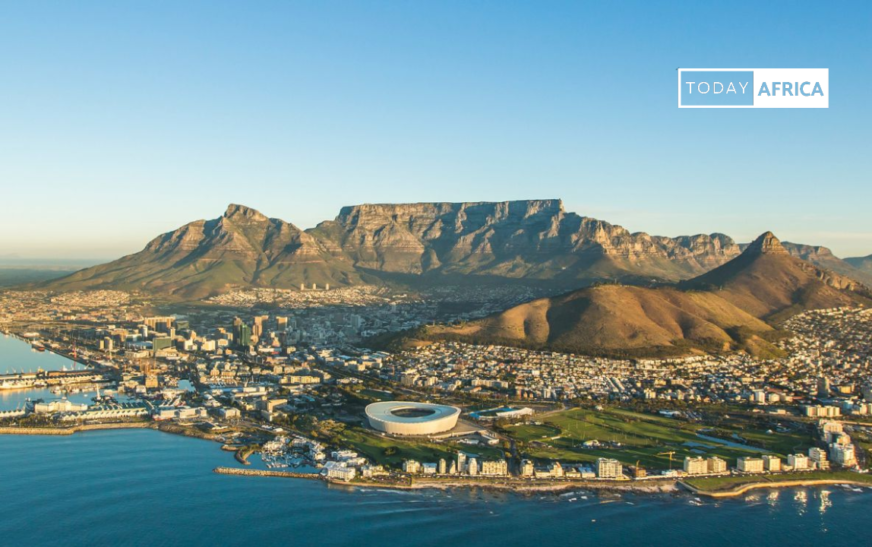
Eastern Cape reserves are popular for travelers pairing safari with Cape Town, the Garden Route, or coastal holidays.
Many are malaria-free, which makes them family-friendly. Wildlife densities and landscapes vary by reserve, so it’s important to choose carefully. Some reserves offer strong Big Five experiences, while others are better for relaxed wildlife viewing and beautiful scenery.
The Eastern Cape can be a smart choice for travelers who don’t want to fly all the way to the northeast. It also works well for first-time visitors who want a softer safari experience as part of a broader South Africa itinerary.
The dry season can still be helpful, but the region’s appeal often lies in convenience, safety, and variety rather than peak wildlife intensity alone.
KwaZulu-Natal Parks
KwaZulu-Natal gives safari travelers a different flavor. Parks such as Hluhluwe-iMfolozi are known for rhino conservation history, rolling landscapes, and rewarding wildlife viewing.
The province can also pair well with wetlands, beaches, and cultural travel. This makes it attractive for visitors who want more than a lodge-based safari.
Season still matters here, especially for comfort and visibility, but the experience feels different from Kruger. KwaZulu-Natal can be humid in warmer months, and rain may shape travel plans.
Dry months often make wildlife viewing easier, but birding and scenery can be wonderful in greener periods. It’s a region for travelers who like variety and don’t mind going slightly beyond the most obvious safari route.
Read Also: Top 25 Destinations for Africa Adventure Trips This Year
Safari packing and planning tips
A great safari starts before the first game drive. Timing matters, but preparation matters too.
You can choose the perfect month and still feel uncomfortable if you pack poorly, book too late, or choose a lodge that doesn’t match your travel style.
South Africa makes safari planning easier than many destinations, but it still rewards travelers who think ahead. The right plan can turn a good trip into a smooth, memorable adventure.
Start by matching your season to your priorities. Then match your region to your comfort level. After that, check lodge style, transfer time, park rules, health advice, and clothing needs.
Don’t assume all safaris are the same. A luxury lodge in a private reserve, a self-drive Kruger trip, and a family-friendly Eastern Cape safari can feel like three different holidays.
What to pack in dry season
For dry season safari, pack layers. Early drives can be cold, especially from June to August. A fleece, a warm jacket, a beanie, and a scarf can make sunrise drives much easier.
By midday, you may want a light shirt and sunglasses. Neutral colors are useful because they handle dust and blend into the bush. Closed shoes are better than sandals for most activities.
Also pack sunscreen, lip balm, moisturizer, and a small day bag. Dry air and dust can surprise travelers who expected only warm African sunshine.
Binoculars are very helpful, even if your guide has a pair. A camera with a zoom lens is useful, but don’t spend the whole trip behind a screen. Some moments are better lived first and photographed second.
What to pack in rainy season
For rainy season safari, pack light rain gear, breathable clothing, insect repellent, and quick-dry layers. Rain may arrive in short bursts, but it can change roads and plans.
A waterproof pouch for your phone or camera can save trouble. Shoes with a good grip are useful because paths around lodges may be damp.
The green season can also bring warmer nights, so lighter clothing helps. Still, bring one warm layer because early drives can catch you off guard.
Birdwatchers should pack binoculars and a field guide app or book. Photographers may want protection for gear during sudden showers. The season is lush, alive, and beautiful, but it asks for flexible travelers.
Leave a comment and follow us on social media for more tips:
- YouTube: Today Africa Studio
- Facebook: Today Africa
- Instagram: Today Africa
- Twitter: Today Africa
- LinkedIn: Today Africa






![15 Best Beaches in Morocco to See This Year [& Essential Packing List]](https://todayafrica.co/wp-content/uploads/2023/12/Blue-Simple-Dad-Appreciation-Facebook-Post-1200-×-720-px-6-9.png)