
Africa is entering one of the most important economic transitions in its modern history. The continent is no longer being viewed only through the lens of aid, commodities, or emerging-market risk.
Instead, investors, policymakers, and global companies are increasingly focusing on Africa’s expanding consumer markets, digital transformation, industrial potential, and regional integration.
The opportunity is massive. The African Continental Free Trade Area (AfCFTA), rapid urbanization, a young workforce, and rising digital adoption are creating the foundation for what the World Bank and other economic institutions describe as one of the world’s largest untapped growth opportunities.
Some estimates place Africa’s combined economic opportunity at approximately $3.4 trillion, driven by trade expansion, manufacturing, technology, services, and consumer demand.
But the opportunity is not automatic. Unlocking this value requires solving structural challenges that have limited growth for decades: fragmented markets, infrastructure gaps, limited access to capital, and regulatory complexity.
The question facing businesses and investors is no longer whether Africa has potential. The question is who will build the systems, companies, and partnerships needed to capture it.
Africa’s economic model is entering a new phase
For decades, many African economies depended heavily on commodity exports, including oil, minerals, and agricultural products. While these resources remain important, a broader economic shift is taking place.
The biggest change is the movement toward a more integrated African marketplace.
The launch of the African Continental Free Trade Area (AfCFTA) represents one of the largest trade agreements in the world, connecting 55 countries and creating a potential single market of more than 1.4 billion people.
The agreement aims to reduce trade barriers, increase intra-African commerce, and encourage businesses to expand beyond national borders.
According to the African Union, AfCFTA could significantly increase intra-African trade by reducing tariffs and improving market access.
This represents a major structural shift. A company operating in Kenya, Nigeria, Egypt, South Africa, or Ghana is increasingly looking beyond its domestic customer base and considering Africa as a connected market.
The economic environment is also being reshaped by technology. Africa has become one of the fastest-growing regions for mobile payments, fintech innovation, and digital entrepreneurship. Companies are using technology to overcome traditional barriers in banking, logistics, healthcare, education, and commerce.
As African Development Bank President Dr. Akinwumi Adesina has noted, Africa’s future growth depends on transforming its economic potential into productive industries and businesses that create jobs.
The shift is clear: Africa is moving from being primarily a resource supplier toward becoming a marketplace, innovation hub, and production base.
Read also: Top African investors and venture capital firms
The system behind Africa’s $3.4 trillion opportunity
A growing consumer market
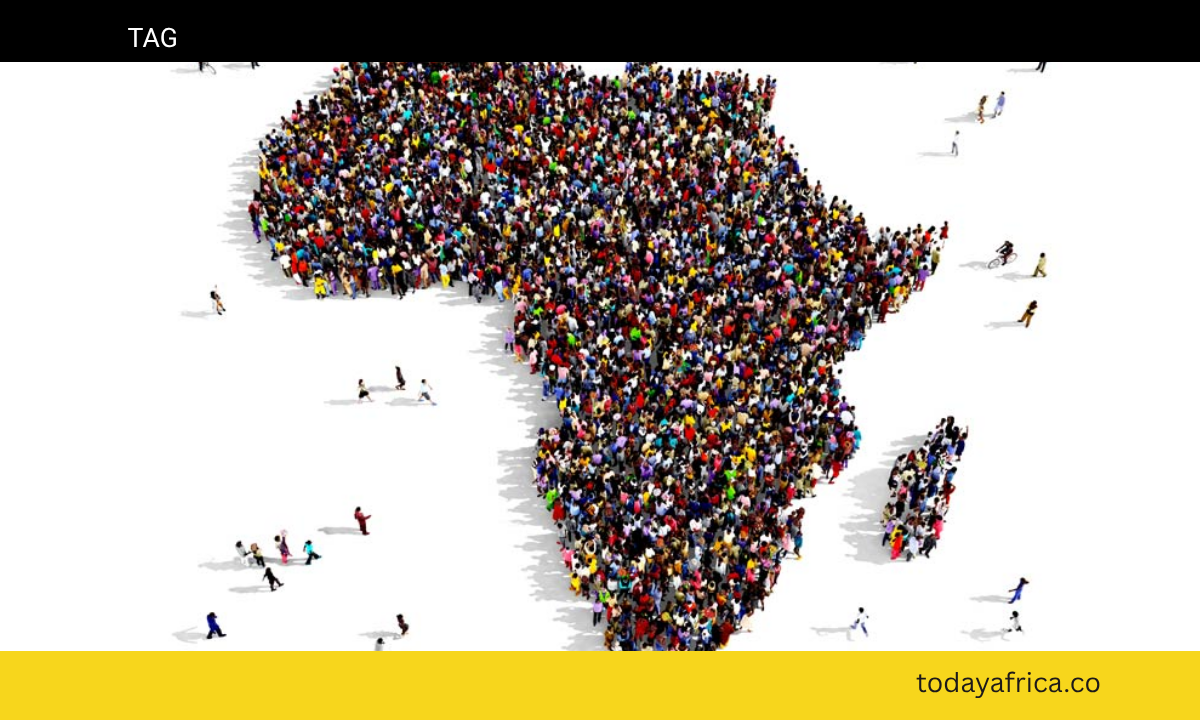
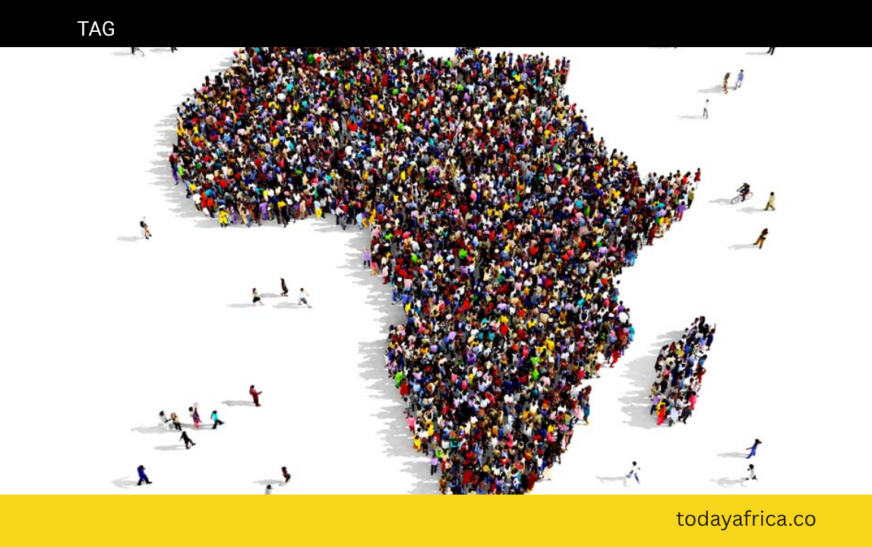
Africa’s population is expected to continue expanding rapidly, with projections showing the continent reaching approximately 2.5 billion people by 2050. This demographic growth creates demand for housing, financial services, healthcare, education, entertainment, food systems, transportation, and digital products.
Unlike previous economic cycles, growth is increasingly being driven by domestic consumption rather than only foreign demand for raw materials.
The rise of Africa’s middle class and expanding urban populations are creating new consumer categories. Cities such as Lagos, Nairobi, Cairo, Johannesburg, Accra, and Casablanca are becoming important commercial centers where startups and global companies compete for customers.
Infrastructure remains the critical foundation
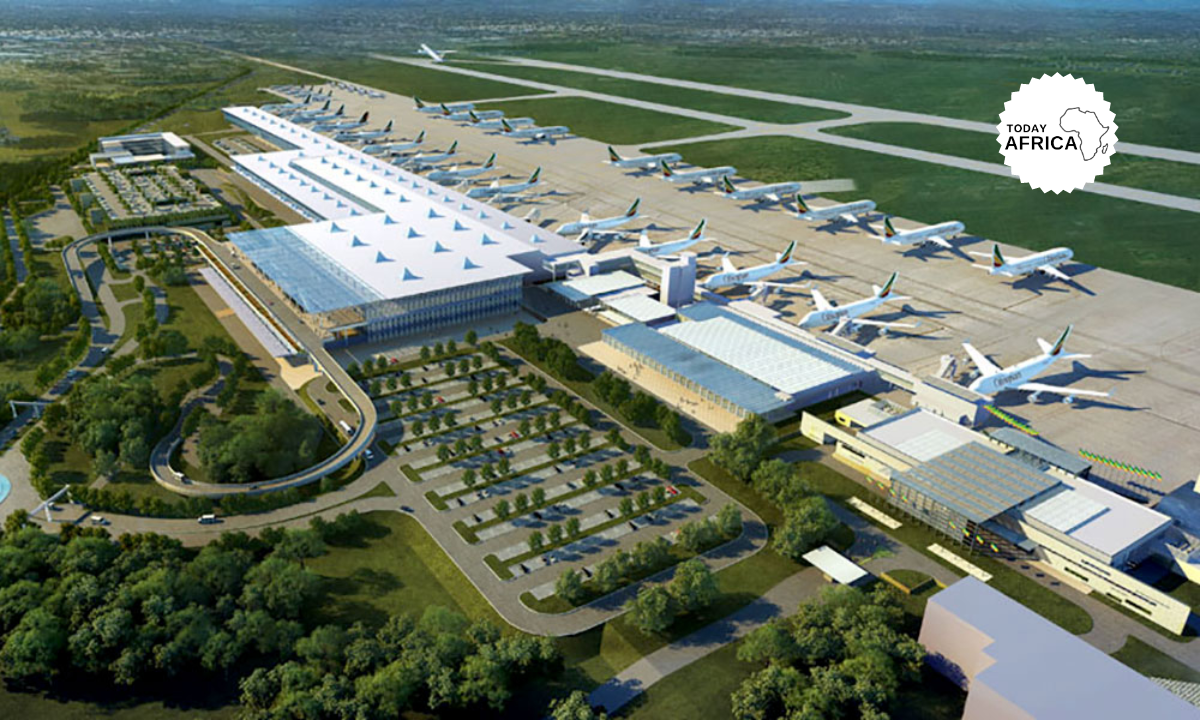
However, economic transformation depends heavily on infrastructure. Many African businesses still face challenges related to unreliable electricity, transportation costs, logistics networks, and internet accessibility. These issues increase operating expenses and limit the ability of companies to scale efficiently.
The World Bank has repeatedly identified infrastructure development as a key factor influencing Africa’s competitiveness.
At the same time, infrastructure gaps are also creating opportunities. Renewable energy, digital infrastructure, logistics technology, and transportation solutions are becoming some of the continent’s most attractive investment areas.
A young workforce creates a competitive advantage
Africa has one of the youngest populations in the world, with a median age significantly lower than Europe, North America, and many Asian economies.
This demographic advantage creates both opportunity and pressure.
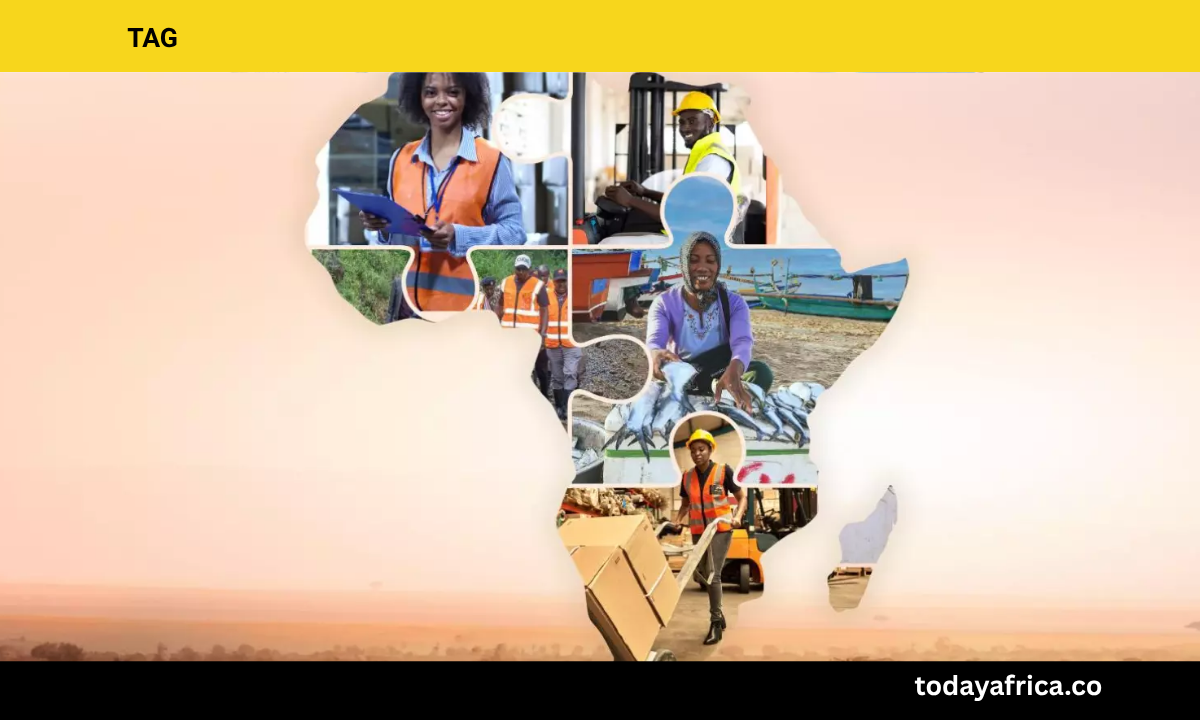
A young population can support innovation, entrepreneurship, and workforce growth, but only if economies can create enough productive jobs and develop relevant skills.
This is why investment in technology education, entrepreneurship programs, and workforce development has become increasingly important across African markets.
What this means for SMEs, startups, and investors
SMEs could gain access to larger markets
Small and medium-sized businesses represent a significant portion of Africa’s employment and economic activity. Historically, many SMEs have struggled because their growth was limited by local market size, financing challenges, and regulatory barriers.
AfCFTA creates the possibility for smaller businesses to reach customers across multiple countries.
A food-processing company in Ghana, a fashion brand in Nigeria, or a technology company in Kenya could potentially access regional customers without building entirely separate operations in every market.
However, SMEs will need stronger systems, better market information, digital tools, and cross-border partnerships to compete effectively.
Startups are becoming strategic growth drivers
African startups have attracted increasing global attention, particularly in fintech, climate technology, logistics, and digital services.
Investment in African tech companies has grown significantly over the past decade, although funding conditions have become more selective due to global economic pressures.
The next generation of successful startups will likely focus on solving practical African challenges: payment systems, supply chains, energy access, agricultural technology, and business productivity.
For founders, understanding market dynamics will become just as important as having a strong product.
This is where platforms such as Market Intelligence Studio can help businesses, investors, and entrepreneurs understand opportunities through deeper research and strategic insights.
Investors are looking beyond resources
Global investors are increasingly examining Africa beyond traditional sectors such as oil and mining.
Growth opportunities are emerging in:
- financial technology
- renewable energy
- manufacturing
- agriculture technology
- logistics
- healthcare innovation
- digital infrastructure
- consumer brands
However, successful investment requires local understanding. Africa is not one market. It is a collection of diverse economies with different regulations, consumer behaviors, currencies, and business environments.
Investors who understand these differences will have a stronger advantage.
Read also: How governance impacts business growth in Africa
Where Africa’s next growth stories could come from
The next decade could determine which companies and countries capture Africa’s economic expansion.
Several sectors appear positioned for significant growth.
Digital finance and technology
Africa’s fintech ecosystem remains one of the continent’s strongest innovation stories.
Mobile money, digital banking, payment infrastructure, and financial inclusion solutions continue to address gaps created by traditional banking systems.
Companies that make commerce easier, cheaper, and more accessible are likely to remain central players.
Manufacturing and industrial development
A major opportunity exists in moving beyond exporting raw materials toward producing finished goods locally.
Manufacturing growth could create jobs, strengthen supply chains, and reduce dependence on imported products.
The combination of a growing workforce, regional trade integration, and increasing consumer demand provides a foundation for industrial expansion.
Agriculture and food systems
Agriculture remains one of Africa’s most important economic sectors, but productivity challenges continue to limit its full potential.
Technology, better logistics, financing solutions, and improved processing systems could transform agriculture into a stronger commercial industry.
Climate and renewable energy
Africa has significant renewable energy potential, particularly in solar power.
As energy demand rises, companies providing affordable and scalable energy solutions could become critical players in supporting economic growth.
The next advantage will belong to those who understand the market
Africa’s $3.4 trillion opportunity is not simply about population size or natural resources. It is about building systems that allow businesses, investors, and entrepreneurs to operate at scale.
The companies that succeed will be those that understand consumer behavior, regulatory environments, regional differences, and emerging opportunities before competitors do.
For founders and businesses seeking greater visibility across African markets, Founder & Ecosystem Visibility Engine provides strategic positioning and storytelling to give businesses and entrepreneurs visibility.
The future of African markets will not be created by opportunity alone. It will be created by those who can identify trends early, build solutions around real challenges, and execute across one of the world’s most dynamic economic landscapes.
Africa’s transformation has already begun. The next question is who will participate in building it.
Leave a comment and follow us on social media for more tips:
- Facebook: Today Africa
- Instagram: Today Africa
- Twitter: Today Africa
- LinkedIn: Today Africa
- YouTube: Today Africa Studio