
Startup funding in Africa matters because it sits at the center of one of the world’s most interesting business stories. Across the continent, founders are building companies for real-life problems that millions of people face every day.
They’re helping small shops accept digital payments, making credit easier to access, improving transport, supporting farmers, powering homes, and bringing healthcare closer to communities.
That’s why startup funding in Africa is more than a money story. It’s also a story about jobs, technology, trust, and the future of daily life.
A more disciplined funding market
The new funding mood is more disciplined. Founders can’t rely only on a shiny pitch deck or big market promise. They need numbers that make sense. Investors want to see revenue, retention, margins, partnerships, compliance, and a clear path to growth.
This has made startup funding in Africa more competitive and the ecosystem healthier.
In a stronger market, weak ideas don’t get easy money. That can feel painful in the short term, especially for early-stage founders who need capital to test bold ideas.
However, it also pushes companies to build with more care. Teams now think harder about customer pain points, pricing, and cash flow. They’re learning that growth without discipline can become a trap.
This shift helps serious founders stand out. A business that solves a painful problem, keeps customers, and manages money well can still attract funding.
In many ways, investors are no longer asking, “Can this startup grow fast?” They’re asking, “Can this startup grow well?” That small change has a big meaning for the next phase of startup funding in Africa.
The role of digital adoption

Digital adoption is one of the strongest reasons investors still care about Africa. Mobile phones changed the game. They allowed millions of people to access services without needing traditional bank branches, fixed internet, or expensive office systems.
From mobile money to delivery apps, digital tools have helped startups reach customers who were once hard to serve.
This is where the opportunity gets exciting. Many African markets still have gaps in banking, insurance, healthcare, education, logistics, and energy. Those gaps are not just problems.
There are business opportunities waiting for practical solutions. When a startup uses technology to make life cheaper, faster, or safer, it can grow quickly because the need is already there.
A relevant external resource is the World Bank’s Digital Economy for Africa initiative, which highlights the importance of digital infrastructure, skills, platforms, and entrepreneurship.
That broader digital push matters because startup funding in Africa depends on more than just founders. It also depends on internet access, payment systems, clear regulation, talent, and investor confidence.
Why founders still have room to grow
Founders still have huge room to grow because many sectors remain underserved.
A farmer may need better access to market prices, a small retailer may need inventory credit, and a clinic may need patient software. A commuter may need cheaper transport. These needs are ordinary, but they’re also massive.
The best founders understand this. They don’t build for applause; they build for pain points.
They know a product becomes valuable when people use it again and again because it solves a real problem. That’s why startup funding in Africa will continue to flow to companies with practical solutions, not just flashy slogans.
7 breakthrough trends driving startup funding in Africa

The biggest trends in startup funding in Africa show a market that is becoming more selective, more mature, and more connected to real economic needs.
Investors are no longer treating the continent as one simple story. They’re studying each country, sector, currency, regulation, and customer base more carefully.
That creates more pressure for founders, but it also creates better opportunities for startups that know their markets well.
Fintech still leads the pack
Fintech remains one of the strongest magnets for startup funding in Africa because financial challenges affect almost everyone.
Many people and small businesses still struggle with payments, savings, credit, insurance, and cross-border transfers. Fintech startups step into those gaps by helping users move, borrow, save, and manage money with more ease.
The sector also benefits from clear demand. A small trader who can accept digital payments has a better chance of growing, and a worker who can send money home cheaply gets real value.
A business owner who can access quick working capital can restock faster. Investors love that kind of direct usefulness because it can lead to strong adoption.
Still, fintech is no longer a free-for-all. Regulators are watching more closely, and customers expect safer platforms.
Founders must prove they can handle fraud risks, compliance, customer support, and data protection. The winners will be fintech companies that combine speed with trust.
Debt funding is becoming more important
Debt funding is playing a bigger role in startup funding in Africa, especially for companies that need capital for assets, inventory, vehicles, devices, or loans to customers.
Equity funding gives investors ownership in a company, but debt funding works differently. It allows startups to borrow money and repay it over time.
This matters because some African startups don’t only need money to hire engineers or run ads.
They need money to buy motorcycles, solar systems, medical equipment, stock, or lending capital. For these businesses, debt can be useful when revenue is predictable. It can help them grow without giving away too much ownership.
However, debt also comes with pressure. A startup must repay it, even when sales slow down.
That’s why lenders look closely at cash flow, repayment history, and risk controls. Used wisely, debt can help strong startups scale. Used badly, it can sink a business faster than a leaking canoe.
Climate tech is attracting patient capital
Climate tech is becoming a brighter part of startup funding in Africa. This includes clean energy, electric mobility, battery swapping, climate-smart agriculture, water systems, waste management, and carbon-related services.
These startups attract attention because they solve business and environmental problems simultaneously. Africa faces serious climate challenges, from power shortages to extreme weather and farming risks.
Startups that lower energy costs, improve transport, or protect food supply can create strong social and economic value. Investors with long-term capital are paying attention because climate solutions often need time, infrastructure, and partnerships.
The challenge is that climate tech can be capital-heavy. A software startup can scale with code, but a clean energy or mobility startup may need equipment, warehouses, technicians, and maintenance.
That’s why blended finance, development finance, and debt funding may become more important in this space.
The big four markets still dominate
Kenya, Nigeria, Egypt, and South Africa still receive a large share of startup funding in Africa.
These markets have bigger investor networks, stronger startup communities, more experienced founders, and deeper pools of talent. They also have larger cities where startups can quickly test products.
This concentration makes sense, but it also creates a challenge. Great founders exist beyond the Big Four.
Countries like Ghana, Senegal, Rwanda, Morocco, Tunisia, Uganda, Côte d’Ivoire, and Tanzania also have promising startup scenes. The question is how quickly investors will expand beyond familiar hubs.
For founders outside the biggest markets, the lesson is clear. They must make it easy for investors to understand their opportunity.
That means clear traction, strong local insight, legal readiness, and a convincing growth plan. Investors may be cautious, but they’ll listen when the numbers are strong.
Francophone Africa is gaining attention
Francophone Africa is gaining more attention as investors look beyond the usual English-speaking startup hubs. Markets such as Senegal, Côte d’Ivoire, Morocco, Tunisia, and Benin are producing companies with strong local knowledge and regional ambition.
This is good news for a more balanced funding map.
These markets often have different legal systems, languages, banking relationships, and customer habits. That can make expansion slower for outsiders, but it can also protect local founders who understand the terrain. In business, home advantage counts.
Startup funding in Africa becomes stronger when more regions participate.
A healthy ecosystem can’t depend on only four countries forever. More regional diversity means more ideas, more jobs, and more solutions designed for different communities.
Female founders are making progress
Female founders are gaining ground, but the funding gap remains wide. Across many markets, women-led startups still receive a smaller share of capital than male-led startups.
That gap matters because it means investors may be missing out on strong businesses, especially in sectors where women deeply understand customer needs.
There are signs of progress. More accelerators, angel networks, funds, and development programs now support women-led companies.
Some sectors, including health, agriculture, education, commerce, and insurance, offer strong opportunities for female founders.
The next step is moving beyond symbolic support. Women founders need serious capital, fair valuation, experienced mentors, and access to later-stage funding.
Startup funding in Africa will become more effective when talent is judged by business strength, not outdated biases.
Investors want stronger business models
The most important trend may be the simplest one. Investors want stronger business models. They’re tired of companies that grow fast but burn too much cash.
They want startups that know their customers, price correctly, control costs, and show a path to profit.
This doesn’t mean every startup must be profitable from day one. That’s not realistic.
But founders must show they understand unit economics. They must know how much it costs to win a customer, how long the customer stays, and how much value the customer brings.
This is good for the ecosystem. It rewards serious builders. It also reduces waste. When startup funding in Africa flows to companies with stronger foundations, the entire market becomes more trusted.
How founders can win more startup funding in Africa
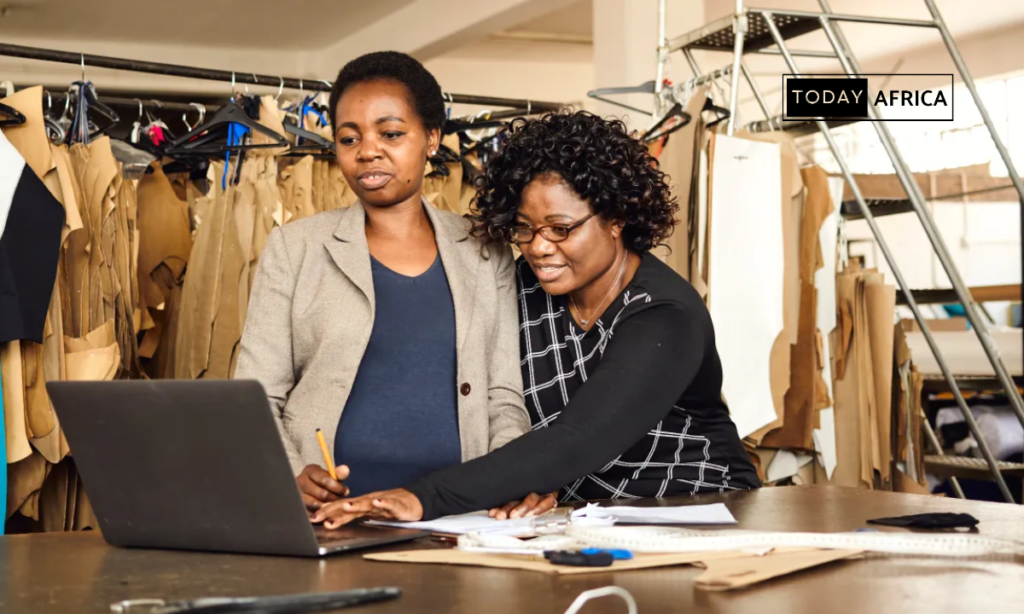
Winning startup funding in Africa now requires more preparation than before. Founders need ambition, but they also need discipline. A good idea opens the door, but strong execution keeps investors in the room.
That means clear numbers, honest storytelling, customer proof, and a sharp understanding of the market.
Build for revenue before hype
Founders should build for revenue before hype. Social media attention can help, but it doesn’t pay salaries on its own. Investors want to see that customers care enough to pay. Even small revenue can be powerful if it proves real demand.
A startup with paying customers has a stronger story than one with only downloads or sign-ups. Revenue shows that the product is useful. Repeat revenue shows that customers trust it. Growing revenue shows that the company may scale.
This is especially important in African markets where customer behavior can differ widely by city, income level, and culture.
A product that works in Lagos may need changes in Accra. A service that grows in Nairobi may need a different pricing model in Kigali. Good founders test, learn, and adapt.
Prepare clean financial records
Clean financial records can make or break a funding round. Investors need to understand how money enters and leaves the business. They’ll ask about revenue, expenses, debt, taxes, payroll, customer acquisition costs, and margins. If the records are messy, trust drops quickly.
Founders should not wait until they’re raising money to fix their books. They should track numbers from the beginning.
This includes invoices, receipts, bank statements, contracts, cap tables, taxes, and employee costs. It may sound boring, but it’s one of the easiest ways to look serious.
Startup funding in Africa often involves cross-border investors, who may have strict due diligence requirements. A founder who can answer financial questions quickly has an advantage. It shows maturity. It also reduces fear.
Risks, opportunities, and the road ahead
The future of startup funding in Africa looks promising, but it won’t be smooth. The market still faces risks that can slow investment.
Currency swings can hurt returns. Inflation can raise costs. Weak infrastructure can make growth expensive. Policy changes can create confusion. Exit opportunities remain limited in many markets.
The main risks investors still watch
Investors pay close attention to currency risk because many African startups earn revenue in local currency but raise money in dollars.
If the local currency weakens, the company may look less attractive to foreign investors. This is a real challenge, especially for startups with imported equipment or dollar-based obligations.
Regulation is another issue. Some sectors, such as fintech, healthtech, lending, insurance, and mobility, need clear rules. Good regulation builds trust.
Confusing regulations scare investors away. Founders who work with regulators early often reduce future problems.
There is also the exit question. Investors eventually need a way to get returns. That can happen through acquisitions, secondary sales, or public listings.
Africa still needs deeper exit pathways so more investors can recycle capital into new startups.
Why the long-term case remains strong
Even with these risks, the long-term case remains strong. Africa has a young population, fast-growing cities, rising digital behavior, and many unsolved problems.
Those ingredients create room for entrepreneurs. Investors may move carefully, but they’re not walking away.
The next era of startup funding in Africa will likely reward practical innovation. Startups that solve everyday problems, earn trust, and manage money well will have the best chance of success.
The market may be stricter, but it’s also smarter.
That’s why optimism makes sense. A more careful funding market can produce stronger companies. Stronger companies can create better jobs, better services, and better investor confidence.
The continent doesn’t need easy money. It needs patient, smart, and well-matched capital.
Leave a comment and follow us on social media for more tips:
- Facebook: Today Africa
- Instagram: Today Africa
- Twitter: Today Africa
- LinkedIn: Today Africa
- YouTube: Today Africa Studio