

Access to finance for SMEs in Africa sits at the center of one of the continent’s most important growth stories.
Yet many of these businesses still struggle to get the money they need at the right time, at a fair cost, and with terms they can actually manage.
This challenge isn’t just about banks saying no.
It’s about missing records, weak collateral, high interest rates, informal operations, poor credit data, policy gaps, and lenders who often see small businesses as risky. Still, the picture isn’t all gloomy.
In simple terms, the funding road is rough, but it’s no longer a dead end.
Why access to finance for SMEs in Africa still matters

Access to finance for SMEs in Africa matters because small businesses carry a huge share of the continent’s economic hope. They create jobs, support families, serve rural and urban markets, and help young people turn skills into income.
A small bakery that buys a bigger oven can hire two assistants. A farmer cooperative that has access to working capital can buy seeds before prices rise. A fashion business with a reliable credit line can accept larger orders without begging suppliers for mercy. That’s how finance moves from paper to real life.
Still, many African SMEs operate in a tight corner. They may have customers, demand, and talent, but not enough cash to grow. Banks often require land titles, audited accounts, formal registration, tax history, and a predictable cash flow.
Many SMEs don’t have all of that. So, even profitable businesses can look weak on paper. That’s the painful part. A business can be useful, busy, and loved by customers, yet still fail a lender’s checklist.
SMEs are the everyday engines of African economies
SMEs are not small in impact. They are the shops, workshops, farms, clinics, logistics firms, digital agencies, schools, restaurants, and service providers that make daily life work.
In many African economies, the big company gets the headline, but the small business keeps the street moving. When SMEs grow, they spread income faster because they hire locally, buy locally, and serve real community needs.
This is why SME financing should be treated as a development priority, not just a private banking product. A better loan market can help a young entrepreneur buy equipment. A fair invoice finance product can help a supplier wait for payment without having to shut down.
A simple mobile wallet history can help a trader prove that money flows through the business every week. In other words, finance helps good businesses stop living hand to mouth.
The credit gap is bigger than a bank loan problem
The finance gap is not caused by one villain. It is created by many small frictions that pile up. Some SMEs lack formal documents, some lenders lack reliable credit data, and some countries have slow business registration systems.
Some courts take too long to enforce contracts and some banks prefer lending to governments or large companies because the risk looks lower. Put all that together, and SMEs end up paying more for money or getting no money at all.
There’s also a trust problem. Lenders want proof that a business can repay. SMEs want lenders to understand how the business really works on the ground. The two sides often speak different languages.
A business owner may say, “I sell every day,” but a bank may ask, “Where are the records?” A lender may say, “Bring collateral,” but the owner may say, “My cash flow is my collateral.” Bridging that gap is one of the biggest steps toward better SME finance in Africa.
Why collateral still blocks good businesses
Collateral remains one of the biggest roadblocks. Many African entrepreneurs don’t own titled land or buildings. Some operate from rented shops. Some own useful assets, such as machines, livestock, inventory, motorcycles, or receivables, but lenders may not readily accept them.
This locks out many women, youth, informal traders, and first-generation founders who have skills but no inherited property.
A smarter finance system should look beyond land. Movable collateral registries, invoice finance, warehouse receipt systems, purchase order finance, and cash-flow lending can help.
These tools let lenders see value in assets that businesses already use. That shift matters because the future of SME finance can’t depend only on who owns land. It must also reward discipline, sales, repayment behavior, and business potential.
Simple rule for founders: If a business wants money tomorrow, it should start building proof today.
Read Also: 12 problems facing small businesses in Africa & why they matter
The main finance options SMEs can use today
Access to finance for SMEs in Africa is improving as the funding menu widens. Years ago, many business owners mainly thought of a bank loan.
Today, SMEs can explore microfinance, cooperative lending, fintech loans, supplier credit, invoice finance, asset finance, grants, angel investment, venture capital, development finance, and trade finance. Not every option fits every business, but more choices are good news.
The key is matching the right finance to the right need. A short-term stock purchase may need working capital, not equity. A machine purchase may need asset finance.
A fast-growing technology startup may need equity financing because it hasn’t yet achieved stable profits. A cooperative of farmers may need seasonal credit. A small exporter may need trade finance. Choosing the wrong currency can hurt a business, even when the funds arrive.
Bank loans and credit lines
Bank loans remain important because banks have scale, structure, and regulatory oversight. A bank loan can help an SME buy equipment, expand a shop, finance inventory, or manage cash flow.
A credit line can be even more useful because the business can draw on funds when needed and repay them when cash comes in. For SMEs with steady revenue and good records, this can be a strong tool.
However, bank finance often comes with strict requirements. The business may need collateral, financial statements, tax documents, business registration, and a clear repayment plan.
That’s why SMEs should prepare before applying. A rushed loan application usually fails. A strong application tells a simple story: this is what we sell, this is how we make money, this is why we need the loan, and this is how we’ll repay it.
Microfinance and cooperative lending
Microfinance institutions and cooperatives can be helpful for smaller businesses that don’t yet qualify for commercial bank lending. They often understand community-level trade better than large institutions do.
They may offer smaller loan sizes, group lending models, savings products, and basic business support. For many entrepreneurs, microfinance is the first formal step into credit.
Still, SMEs must read the terms carefully. Some microloans can be expensive, especially when fees are added. A business owner should ask about the interest rate, repayment period, late fees, processing charges, and total cost of credit.
Money that looks quick can become heavy if repayment starts too soon. As people say, cheap money helps a business breathe, but costly money can choke it.
Digital lending and mobile money
Digital lending is changing the game. Many African SMEs now receive payments through mobile money, point-of-sale systems, online marketplaces, and digital bank accounts.
These records can help lenders study cash flow without relying only on old-style collateral. A trader who receives daily mobile payments may be able to show a real business pattern, even without audited accounts.
This is where fintech can make access faster and more inclusive. Digital lenders can use transaction history, repayment behavior, and business activity to score borrowers. But there’s a catch.
SMEs must be careful with very short-term digital loans that carry high fees. Digital finance should support growth, not trap businesses in daily repayment pressure. Used wisely, it can be a bridge. Used carelessly, it can become a treadmill.
Equity, angel Investors, and venture capital
Equity finance works differently from loans. Instead of borrowing money and repaying with interest, the business sells a share of ownership.
This can help high-growth firms, especially in technology, renewable energy, logistics, health, education, and agribusiness companies. Equity investors often bring more than money. They may bring networks, strategy, governance support, and market access.
However, equity is not free money. Founders give up part of control and future profits. That means they should understand valuation, shareholder rights, board control, exit plans, and investor expectations.
A small business that simply needs stock for three months may not need equity. But a company planning to scale across countries may benefit from patient capital that doesn’t demand monthly repayment.
Grants, guarantees, and development finance
Grants can support innovation, training, climate adaptation, women-led enterprises, youth businesses, research, and social impact projects. They are useful because they usually don’t require repayment.
Yet grants are competitive, slow, and often tied to strict reporting rules. SMEs should treat grants as growth support, not as the main business model.
Credit guarantees are another powerful tool. A guarantee helps reduce lender risk by covering part of the loss if a borrower defaults. This can encourage banks to lend to SMEs they might normally reject. Development finance institutions also work through banks and funds to expand lending.
For example, programs linked to the African Development Bank, World Bank, and IFC often support local financial institutions so they can lend more confidently to SMEs. A helpful starting point for readers is the World Bank’s external resource on SME Finance.
| Finance option | Best for | Main advantage | Main risk |
| Bank loan | Established SMEs | Larger amounts | Strict collateral rules |
| Credit line | Working capital | Flexible access | Can become costly if misused |
| Microfinance | Very small firms | Easier entry | Higher effective cost |
| Digital loan | Fast cash needs | Speed and convenience | Short repayment pressure |
| Asset finance | Equipment purchase | Asset supports the loan | Asset may be repossessed |
| Equity investment | High-growth firms | No monthly repayment | Loss of ownership share |
| Grants | Innovation and impact | No repayment | Highly competitive |
| Trade finance | Importers and exporters | Supports transactions | Requires documentation |
How SMEs can become more fundable
Access to finance for SMEs in Africa improves when businesses become easier to trust. This doesn’t mean every business must become big or fancy.
It means the business must show clear proof of sales, costs, customers, assets, and repayment ability. Many SMEs miss out on funding opportunities because their businesses are active but invisible. Money enters and leaves, but there’s no clean trail.
The good news is that fundability can be built. An SME can start with simple bookkeeping, a separate business wallet, weekly sales records, supplier invoices, customer receipts, and basic tax compliance.
These steps may look small, but they change how lenders see the business. A lender doesn’t just fund dreams. A lender’s funds evidence. When the evidence is clear, the conversation becomes easier.
Keep clean financial records
Clean records are the backbone of SME finance. A business should know how much it sells, how much it spends, how much it owes, and how much customers owe it.
These numbers help the owner make better decisions. They also help lenders measure risk. Without records, the lender has to guess. And when lenders guess, they usually guess against the borrower.
SMEs don’t need expensive software at the start. A simple spreadsheet, accounting app, receipt folder, mobile money statement, or notebook can work if it is consistent.
The main point is discipline. Record sales daily. Track costs weekly. Review profit monthly. Over time, this habit builds a financial story that lenders, investors, and partners can understand.
Register the business and build trust
Formal registration can help SMEs access finance, contracts, tenders, export opportunities, and business bank accounts. It also signals seriousness. A registered business is easier to verify and easier to support.
Many SMEs avoid registering because they fear taxes, costs, or paperwork. Those fears are real, but informality can also keep a business small.
Governments can help by making registration cheaper, faster, and more useful. If registration only brings fees and stress, business owners will avoid it.
If it brings access to finance, training, markets, protection, and public procurement, more SMEs will step forward. Formalization should feel like a doorway, not a punishment.
Use cash flow as a strength
Cash flow is the life of a business. A company can be profitable on paper and still collapse if money comes in too late. SMEs should understand their cash cycle.
- When do customers pay?
- When must suppliers be paid?
- When does the stock run out?
- When do wages, rent, transport, and taxes fall due?
These questions help the business know the right type and amount of finance to seek.
Cash-flow lending is especially important in Africa because many SMEs lack traditional collateral. If lenders can see steady income through bank accounts, mobile money, invoices, card payments, or marketplace sales, they can make better decisions.
This is why digital records matter. They turn daily business activity into financial evidence.
Separate personal and business money
Many SME owners mix personal and business money. It’s common, but it creates confusion. When school fees, rent, family support, stock purchases, and customer payments all pass through one account, the business becomes hard to read.
A lender may struggle to know what the business really earns. A separate business account or wallet helps fix this. It shows business income clearly.
It helps the owner budget more effectively and builds credibility. Even a small business can look more professional when money is organized. As the saying goes, don’t let the soup and stew mix if you still want to taste both properly.
Build a clear repayment story
Before asking for a loan, an SME should answer one simple question: how exactly will this money be repaid? If the loan is used to buy stock, the owner should show how quickly the stock sells and what margin it yields.
If it will buy equipment, the owner should show how the equipment will raise output, reduce costs, or increase sales. And if it will fund a contract, the owner should show the purchase order, delivery timeline, and payment terms.
A clear repayment story reduces fear. It shows the lender that the owner has thought beyond receiving the money. This is important because many businesses focus on getting approved, then panic when repayment starts. Smart finance planning begins before the money lands.
Read Also: Challenges Facing Entrepreneurs in Africa: 12 Stark Realities You Can’t Ignore
What banks, fintechs, and policymakers must improve
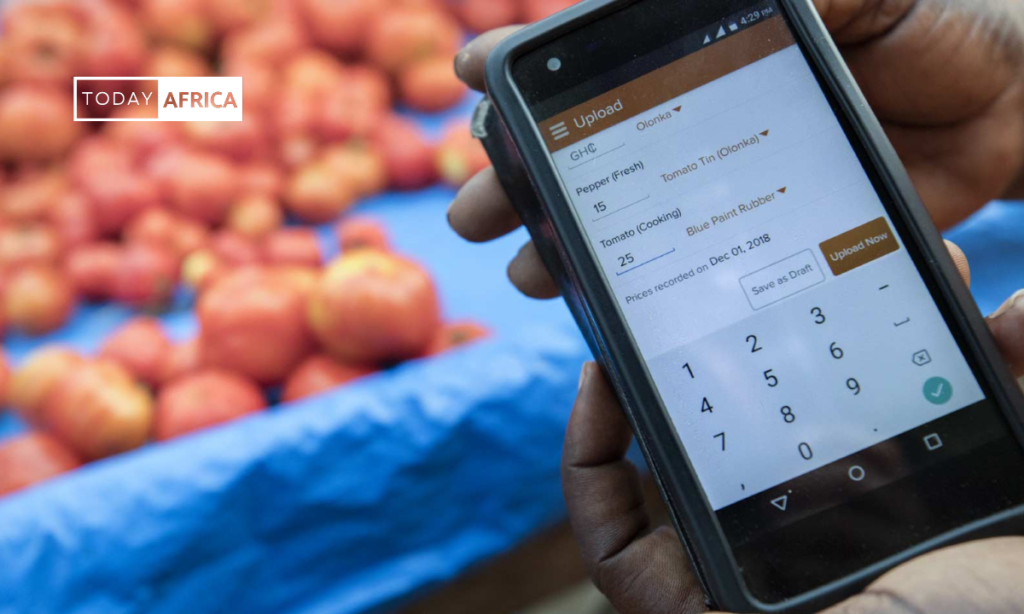
Access to finance for SMEs in Africa cannot be improved through business efforts alone. The whole ecosystem must become smarter. Banks need better SME products. Fintechs need fairer pricing and stronger consumer protection.
Governments need simpler rules, better data systems, and stronger contract enforcement. Development partners need to support local institutions without making programs too complex for real businesses.
A better financial system should meet SMEs where they are and help them move forward. That means serving informal and semi-formal businesses without trapping them. It means using mobile data responsibly.
It means protecting borrowers from hidden fees and offering products that match business cycles. A farmer, a fashion designer, a school owner, a logistics operator, and a software firm don’t need the same loan.
Better credit data and credit bureaus
Credit data helps lenders make fairer decisions. If a business has repaid small loans, paid suppliers on time, received steady digital payments, and kept a clean account, that history should count.
Strong credit bureaus and data-sharing systems can help good borrowers prove themselves. They can also reduce the need for heavy collateral.
However, data must be used responsibly. SMEs should know what data is collected, how it is used, and how they can correct errors. An incorrect credit record can unfairly block finance.
So, better data must come with transparency, privacy, and consumer rights.
Credit guarantees and risk sharing
Credit guarantees can unlock lending by reducing the risk banks carry. If a guarantee covers part of a loan, the bank may feel more comfortable lending to smaller firms, women-led businesses, youth-owned enterprises, agribusinesses, or exporters.
This doesn’t mean banks should lend carelessly. It means they can share risk while still applying sound standards.
Risk-sharing programs work best when they are simple, well-managed, and linked to real SME needs. If the paperwork is too heavy, banks may ignore it. If the rules are too loose, defaults may rise.
The sweet spot is practical design, clear accountability, and strong monitoring.
Women and youth-focused finance
Women and young entrepreneurs often face extra barriers. They may have less collateral, shorter credit histories, smaller networks, and more informal businesses.
Yet they run many of the enterprises that support families and communities. Better access for these groups can create wider social benefits.
Finance providers can design products that fit these realities. They can accept movable assets, use cash-flow data, offer smaller first loans, combine finance with training, and create mentorship networks.
The goal is not charity. It is a smart market expansion. Many women and young founders are bankable when the system stops measuring them with tools that were never built for their reality.
Trade finance and AfCFTA opportunities
The African Continental Free Trade Area creates greater opportunities for SMEs to sell across borders. But trade needs finance.
SMEs need money to produce goods, meet standards, package products, ship orders, manage customs, and wait for buyers to pay. Without trade finance, many small firms will watch bigger players capture the market.
Banks and fintechs can help with invoice finance, purchase order finance, supply chain finance, and export credit. Governments can help by simplifying border processes and improving digital trade systems.
Development institutions can help by providing guarantees and liquidity support to local banks. If done well, SME finance can turn regional trade from a policy slogan into real business income.
Read Also: 9 most profitable crops in Africa that farmers are ignoring, and it’s costing them big
9 powerful steps to improve SME finance readiness
| Step | Action | Why It Matters |
| 1 | Register the business | Builds trust and opens formal finance channels |
| 2 | Separate business and personal money | Makes cash flow easier to prove |
| 3 | Keep daily sales records | Creates evidence for lenders |
| 4 | Save supplier and customer invoices | Shows real business activity |
| 5 | Build a simple repayment plan | Reduces lender concern |
| 6 | Start with the right loan size | Prevents repayment pressure |
| 7 | Use digital payments | Creates a trackable money trail |
| 8 | Compare finance options | Avoids expensive mistakes |
| 9 | Seek advisory support | Improves applications and financial planning |
Conclusion
Access to finance for SMEs in Africa is not just a banking issue. It is a growth issue, a jobs issue, a trade issue, and a future-of-work issue.
When small businesses have the right financing, they buy better tools, hire more people, serve more customers, and build stronger communities. That makes SME finance one of the most practical ways to support inclusive economic growth.
The path forward is clear. SMEs must become more finance-ready by maintaining records, demonstrating discipline, registering, and improving financial management. Banks and fintechs must design products that fit real business cycles.
The opportunity is bigger than the challenge. Africa already has the entrepreneurs, markets, creativity, and demand. With smarter finance, many small businesses can stop fighting for survival and start building for scale.
That’s the real promise of better SME finance: not just more loans, but more strong businesses that can grow with confidence.
Leave a comment and follow us on social media for more tips:
- Facebook: Today Africa
- Instagram: Today Africa
- Twitter: Today Africa
- LinkedIn: Today Africa
- YouTube: Today Africa Studio