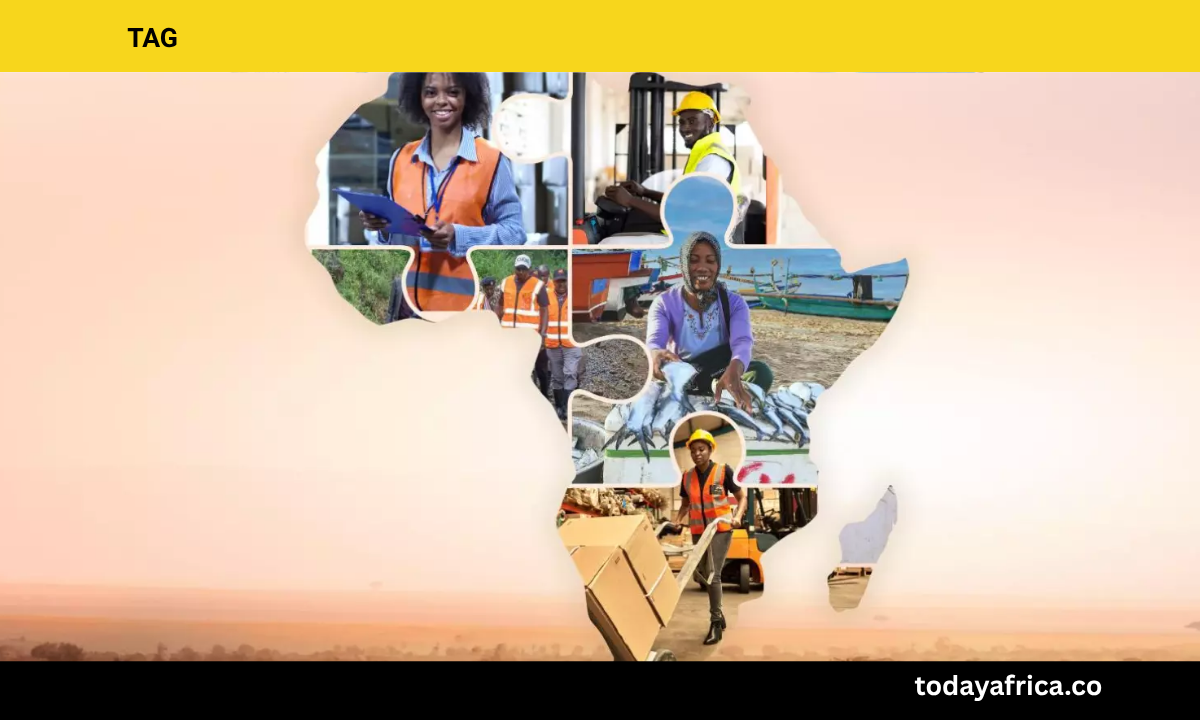


The problems facing small businesses in Africa are serious, but they’re not a death sentence for entrepreneurs. Across the continent, small firms carry local economies on their backs. They feed families, hire young people, support farmers, move goods, and give communities a reason to believe tomorrow can be better than today.
Still, many business owners wake up to the same rough road. They may have customers, but no steady cash flow. They may have ideas, but no investor. They may have online demand, but poor internet or expensive delivery. For many, running a business can feel like fixing a bicycle while riding it downhill.
That said, Africa’s small-business story isn’t only about struggle. It’s also about grit, creativity, and opportunity. The World Bank’s SME finance resource highlights the huge role small and medium enterprises play in jobs, innovation, and economic growth. So the goal isn’t to paint a gloomy picture. The goal is to explain the barriers clearly and show what can be done.
12 problems facing small businesses in Africa
The real problems facing small businesses in Africa often start with money, but they don’t end there. A shop owner may need capital to buy stock. A farmer may need a cold room. A fashion designer may need better machines. A food vendor may need packaging, a delivery bike, or a clean cooking space. Yet many of these owners can’t get affordable loans, and when they do, the repayment terms may be too short or too expensive.
Limited access to affordable finance
Finance is the first big wall. Many African small businesses rely on personal savings, family support, supplier credit, rotating savings groups, or daily sales. That can help a business start, but it usually can’t help it scale. Growth needs working capital, equipment finance, invoice support, and patient loans that give the owner breathing room.
Banks often see small firms as risky. Some businesses lack formal records, collateral, tax documents, audited accounts, or stable cash flow. As a result, lenders may reject them or offer loans at high interest. This creates a painful cycle. A business can’t grow because it can’t get money, and it can’t get money because it hasn’t grown enough.
Why collateral rules block growth
Collateral is one of the toughest barriers. A small restaurant may have loyal customers, but no titled land. A young tech founder may have a useful app, but no building to pledge. A woman running a fast-growing retail business may have strong sales, but no property in her name.
That’s where many promising firms hit a wall. Traditional lending often rewards people who already own assets. Yet many small businesses own movable assets like stock, tools, machinery, phones, vehicles, or receivables. If financial systems don’t properly recognize those assets, owners stay locked out.
Better credit systems can change the story. Credit guarantees can reduce lender risk. Movable collateral registries allow businesses to use equipment or inventory as collateral. Fintech lenders can use payment history, sales records, and mobile money data to judge risk more fairly. Development banks can also provide longer-term funds through local banks and microfinance institutions.
On the ground, cash is king. A business with great demand can still fail if it can’t buy stock before customers arrive. That’s why finance must match real business cycles, not just bank paperwork.
High operating costs
The second major issue is cost. Many small businesses pay too much to keep basic operations running. Rent, fuel, transport, power, internet, taxes, staff wages, packaging, and delivery fees can eat into profit before the owner even pays themselves.
In some cities, rent rises faster than sales. In rural areas, transport can be a bigger problem than demand. A farmer may grow tomatoes, but poor roads and high fuel prices can make it expensive to reach buyers. A baker may have customers but lose money when electricity fails, and generator fuel becomes too costly. This is where the phrase “small business” can be misleading. The business may be small, but the pressure is huge.
Costs also make pricing difficult. If a business raises prices, customers may leave. If it keeps prices low, profit disappears. Many owners end up working long hours for thin margins. They’re busy all day, but the money doesn’t stick.
Weak infrastructure

Infrastructure affects nearly every part of business. Poor electricity makes production unreliable. Bad roads slow delivery. Weak storage increases waste. Slow internet hurts online sales. Limited water supply affects food, beauty, cleaning, health, and manufacturing businesses.
For example, a small frozen food seller needs a steady power supply. A fashion brand needs delivery partners. A hair salon needs water and electricity. A digital service provider needs a stable internet. When these basics fail, owners spend money on backup systems rather than on growth.
Infrastructure gaps also reduce trust. If deliveries arrive late, customers blame the business. If power cuts damage goods, the owner carries the loss. If poor roads increase transport time, perishable products spoil. Over time, the business becomes less competitive even when the owner is hardworking.
Read Also: Challenges Facing Entrepreneurs in Africa: 12 Stark Realities You Can’t Ignore
Digital access gaps
Digital tools offer huge promise, but access isn’t equal. Many small firms use WhatsApp, Instagram, TikTok, Facebook, mobile money, and online marketplaces to sell. That’s good news. However, digital growth still depends on affordable data, reliable smartphones, delivery systems, cybersecurity, trust in online payments, and basic digital skills.
Some entrepreneurs know how to post online but don’t know how to track conversions. Others receive orders but can’t manage inventory. Some businesses get scammed by fake buyers, fake suppliers, or payment fraud. Digital tools can open doors, but owners still need training, protection, and systems.
For many small businesses, the best digital step isn’t fancy. It’s simple. Keep records on a phone. Use mobile payments. Create a clear product catalog. Reply to customers quickly. Track weekly sales. Save customer contacts. Build trust one order at a time.
Complex regulations
Business registration, licensing, permits, inspections, tax filings, and local fees can confuse small owners. Some rules are necessary because they protect customers, workers, and public safety. Still, when the process is slow, unclear, expensive, or inconsistent, it discourages formal growth.
Red tape can also create room for harassment. A trader may face different fees from different offices. A small manufacturer may need several approvals before selling. A food vendor may want to formalize, but fear surprise penalties. When rules are too hard to follow, many owners end up being informal.
A better system would make registration simple, cheap, and digital. It would explain obligations in plain language. It would help first-time entrepreneurs comply instead of treating them like offenders. When formalization feels like a bridge instead of a trap, more businesses will cross it.
Tax pressure and informality
Tax is another sensitive issue. Governments need revenue to build roads, schools, hospitals, and power systems. But small businesses often feel squeezed when taxes, levies, fees, and compliance costs hit them before they become stable.
Many small firms operate informally because formal systems feel expensive or complicated. Informality can help a business survive in the short term, but it limits long-term growth. Informal firms may struggle to get loans, bid for contracts, open corporate bank accounts, attract investors, or work with large buyers.
The solution isn’t to punish every informal business. A smarter approach is gradual formalization. Governments can offer simple tax bands, beginner-friendly filing systems, temporary relief for new firms, and incentives for businesses that keep records and hire workers. In plain terms, don’t scare the baby goat before it learns to walk.
Read Also: Most Africans over 40 who lack these 10 skills are struggling in silence
Skills and talent gaps

A business owner can be excellent at making a product and still struggle with pricing, branding, bookkeeping, hiring, customer service, negotiation, or stock control. That doesn’t mean the owner is careless. It often means they never received practical business training.
Skills gaps also affect workers. Many small firms can’t afford experienced staff, so they hire people who need training. After training them, the staff may leave for larger companies. This creates a “train and lose” problem. The owner keeps starting from scratch.
Business support programs can help when they’re practical. Owners need short, useful training on cash flow, taxes, customer care, digital marketing, sales tracking, pricing, and staff management. A two-hour session on how to calculate profit may help more than a long seminar filled with big grammar and no action.
Poor record keeping
Poor records quietly damage many small businesses. Some owners know they’re selling, but they don’t know if they’re making a profit. They mix personal and business funds. They buy stock without tracking margins. They don’t separate fixed costs from daily expenses.
Without records, lenders can’t properly assess the business. Investors can’t trust the numbers. Owners can’t see which product sells best. They also can’t detect waste, theft, overpricing, or slow-moving stock. This is how a busy shop can still be broke.
The fix can be simple. A small business should track daily sales, daily expenses, inventory, debt, customer orders, and profit. It can use a notebook, a spreadsheet, a mobile app, or a point-of-sale tool. The tool matters less than the habit. Good records turn guesswork into decisions.
Limited market access
Many small businesses sell only to nearby customers. That can work, but it limits growth. A soap maker may need hotel buyers. A farmer may need processors. A leather worker may need export channels. A food brand may need to work with supermarkets, online platforms, or distributors.
Market access is difficult because small firms often lack packaging, compliance with standards and certifications, branding, transport, and bulk capacity. Bigger buyers may demand consistent supply, formal invoices, quality control, and delivery timelines. Small firms may be ready in spirit, but not ready in systems.
This is where cooperatives, clusters, and business networks can help. Ten farmers can negotiate better than one farmer. A group of fashion designers can share a showroom. A group of processors can share cold storage. Small businesses don’t always need to grow alone. Sometimes the smartest path is to grow together.
Better finance models
Finance must become more practical. Many small businesses don’t need huge loans at first. They need the right money at the right time. A tailor may need equipment finance. A farmer may need seasonal credit. A wholesaler may need invoice financing. A small factory may need a longer loan for machines.
Lenders can design products around real business behavior. Instead of relying only on land collateral, they can use cash flow, sales records, purchase orders, mobile money history, and supplier relationships. Credit guarantees can also encourage banks to lend to firms they’d normally avoid.
For women-led and youth-led businesses, finance must also address social barriers. Some owners don’t have property in their name. Some lack networks. Some face bias. Tailored finance, mentoring, and market support can help close that gap. The money should come with knowledge, not confusion.
Digital tools for growth

Digital tools can help small businesses sell, manage, and scale. A simple online catalog can reduce wasted conversations. Mobile payment can reduce cash leakage. Social media can attract customers. Inventory apps can show what’s moving. Accounting tools can prepare a business for loans.
However, digital adoption should be step-by-step. A small business doesn’t need every tool at once. First, it can record sales digitally. Next, it can collect customer contacts. Then it can test online advertising. After that, it can improve delivery, packaging, and customer service.
Digital trust also matters. Customers want clear prices, honest photos, fast replies, and safe payment options. Businesses should use high-quality product images, simple descriptions, genuine testimonials, and clear refund policies. Online success isn’t magic. It’s trust, repeated daily.
Read Also: 9 most profitable crops in Africa that farmers are ignoring, and it’s costing them big
Stronger partnerships
Small businesses need ecosystems, not slogans. Governments, banks, fintechs, universities, chambers of commerce, development agencies, logistics firms, and large companies all have roles to play. If each group works alone, support stays scattered. If they work together, small firms get a better rung on the ladder.
Large companies can support small suppliers with training, early payments, and fair contracts. Banks can partner with fintechs to better assess risk. Governments can simplify registration and taxes. Universities can run business clinics. Local business groups can provide mentoring and shared services.
Partnerships also help with standards. Small firms that want to supply supermarkets, hotels, schools, hospitals, or exporters need quality systems. Training on packaging, labeling, hygiene, bookkeeping, and delivery can open bigger markets. Once a business meets standards, it can sell beyond its street.
Conclusion
The problems facing small businesses in Africa are complex, but they’re not insurmountable. Finance, infrastructure, regulation, skills, digital access, and market reach all matter. When one area improves, it often helps the others. Better records can improve loan access. Better power can improve production. Better logistics can open new markets. Better digital skills can bring customers from beyond the neighborhood.
The strongest future for African small businesses will come from practical support, not empty praise. Entrepreneurs need fair finance, simple rules, useful training, stable infrastructure, and trustworthy markets. With those pieces in place, small businesses can do more than survive. They can hire, innovate, export, and build wealth in communities that need opportunity most.
FAQs
What are the main problems facing small businesses in Africa?
The main problems facing small businesses in Africa include limited access to finance, high costs, poor infrastructure, complex regulations, weak record-keeping, low digital skills, and limited market access. These problems often connect. For example, poor records can block loans, and a lack of loans can stop a business from buying better equipment.
Why do African small businesses struggle to get loans?
Many small businesses struggle to secure loans because they lack collateral, formal records, audited financial statements, or steady cash flow. Banks may also see small firms as risky. Better records, credit guarantees, movable collateral systems, and fintech lending can make finance more accessible.
How does poor infrastructure affect small businesses?
Poor infrastructure raises costs and reduces reliability. Power cuts can damage goods, bad roads can delay delivery, and weak internet can hurt online sales. A business may have strong customer demand but still lose money because basic systems don’t work well.
Can digital tools help small businesses grow?
Yes, digital tools can help small businesses grow if they’re used wisely. Mobile payments, social media, online catalogs, inventory apps, and simple accounting tools can improve sales and management. Still, business owners need training so they don’t just go online, but actually make online activity profitable.
What role do governments play in supporting small businesses?
Governments can make business easier by simplifying registration, reducing red tape, improving roads and power infrastructure, supporting fair taxation, and creating credit support programs. They can also help small firms access public contracts and training. Good policy can turn small firms into stronger job creators.
How can small businesses survive tough markets?
Small businesses can survive tough markets by keeping accurate records, controlling costs, building customer trust, using digital tools, joining networks, and focusing on products with steady demand. They should also separate personal money from business money. That one habit can save a company from many silent losses.
Are women-led small businesses affected differently?
Yes, women-led small businesses often face additional barriers, including limited collateral, smaller networks, biased lending practices, and family care responsibilities. Tailored finance, mentoring, digital tools, and women-focused business networks can help reduce these barriers and support stronger growth.
What is the best first step for a struggling small business?
The best first step is to understand the numbers. The owner should track sales, costs, debts, stock, and profit for at least 30 days. Once the numbers are clear, it becomes easier to cut waste, adjust pricing, seek finance, or focus on the best-selling products.
Leave a comment and follow us on social media for more tips:
- Facebook: Today Africa
- Instagram: Today Africa
- Twitter: Today Africa
- LinkedIn: Today Africa
- YouTube: Today Africa Studio