

In Lagos, Accra, Nairobi, Cape Town, Marrakech, Dakar, and Addis Ababa, food is becoming part of a larger travel economy.
It is tied to diaspora return, music festivals, business trips, creator culture, heritage tourism, hotel expansion, aviation growth, and the newfound confidence of African cities in selling themselves as full-fledged lifestyle destinations.
The World Food Travel Association defines food tourism as “the act of traveling for a taste of place to gain a deeper sense of place.”
That idea matters in Africa because food is often the fastest way into a city’s memory, rhythm and business pulse.
A bowl of waakye in Accra, suya in Lagos, nyama choma in Nairobi, couscous in Marrakech, thieboudienne in Dakar, or coffee in Addis Ababa is not just a meal.
It is a map of trade routes, migration, family history, agriculture, class, climate, and urban life. Across the continent, that map is starting to look like a market.
Africa’s wider travel economy is already moving in the right direction. WTTC data show that travel and tourism contributed $228 billion to Africa’s economy in 2025, representing 7% of the region’s GDP.
The sector supported 30.2 million jobs, while Africa welcomed 99.2 million international visitors, a 14.1% increase.
Domestic travel still accounts for about 61% of tourism spending across the continent, a detail that matters because Africa’s next food tourism boom may be driven as much by Africans moving within Africa as by long-haul visitors from outside it.
The new African traveler is following culture, not just landmarks

For years, African tourism was often sold through a narrow lens: safari, beaches, wildlife, heritage sites, and luxury resorts. Those remain powerful assets.
But they do not fully explain what is happening in today’s major African travel corridors. A younger traveler is arriving with different questions.
- Where do people actually eat?
- Which chef is shaping the city’s new dining scene?
- What neighborhood is becoming interesting after dark?
- Where do creatives gather?
- Where do founders take investors?
- Which local dish tells the story of the place better than a museum tour?
That shift is visible in Ghana. The country recorded 1,306,962 international tourist arrivals in 2025 and generated an estimated $4.34 billion in international tourism receipts, according to the Ghana Tourism Authority’s 2025 Tourism Report.
Business travel accounted for 31% of arrivals, visits to family and relatives made up 23%, and holiday travel accounted for 20%.
That mix reveals why food tourism has room to grow: Ghana is attracting not one type of traveler, but several overlapping groups who all eat, socialize, spend, and move through the hospitality economy differently.
Accra shows this clearly in December. The city’s festive season is no longer just a holiday period.
It is a travel product. Visitors arrive for concerts, nightlife, art shows, family reunions, heritage trips, restaurant bookings, and private events.
December in GH attracted a largely young and economically active audience, with many participants between 18 and 39.
One report noted that 96% of surveyed participants said they intended to return, while accommodation spending alone exceeded GH¢966 a day before food, entertainment, shopping and transport were added.
That is the real travel signal. Food is not operating alone. It is attached to music, diaspora identity, nightlife, hotels, short-lets, ride-hailing, shopping, festivals, and content creation.
In Lagos, the same pattern appears with more intensity.
The city’s food scene is powered by scale: corporate visitors, returnees, celebrities, founders, artists, wedding guests, conference delegates and Nigerian diaspora travelers who come home with foreign currency, global taste references and a strong appetite for local familiarity.
Lagos does not need to become Paris or Dubai to win food travelers. Its advantage is that it already has a high-energy social economy where food sits at the center of status, memory, and movement.
Read also: Inside Lagos’ hospitality boom: Hotels, restaurants, and the business of movement
Why African cities are ready for food-led travel
Food tourism grows when three things meet: mobility, identity, and spending. Africa is beginning to see all three converge.
Air travel is expanding. IATA reported that African airlines’ annual international traffic rose 7.8% in 2025, with capacity up 6.5%.
The region’s load factor reached 74.9%, a record high for Africa, even though it remained the lowest among all regions globally. That means more people are flying, more seats are being filled, and more city-to-city travel is becoming commercially viable.
Hotels are expanding too. W Hospitality Group’s 2026 hotel pipeline report shows 675 hotels and resorts with 123,846 rooms in development across Africa, up 19% on 2025.
Its 2025 report had already tracked 577 hotels and resorts with 104,444 rooms in the pipeline.
This matters because food tourism needs more than good food. It needs beds, transport, trained staff, event venues, reliable booking systems, payment options, and neighborhoods that can hold visitor demand.
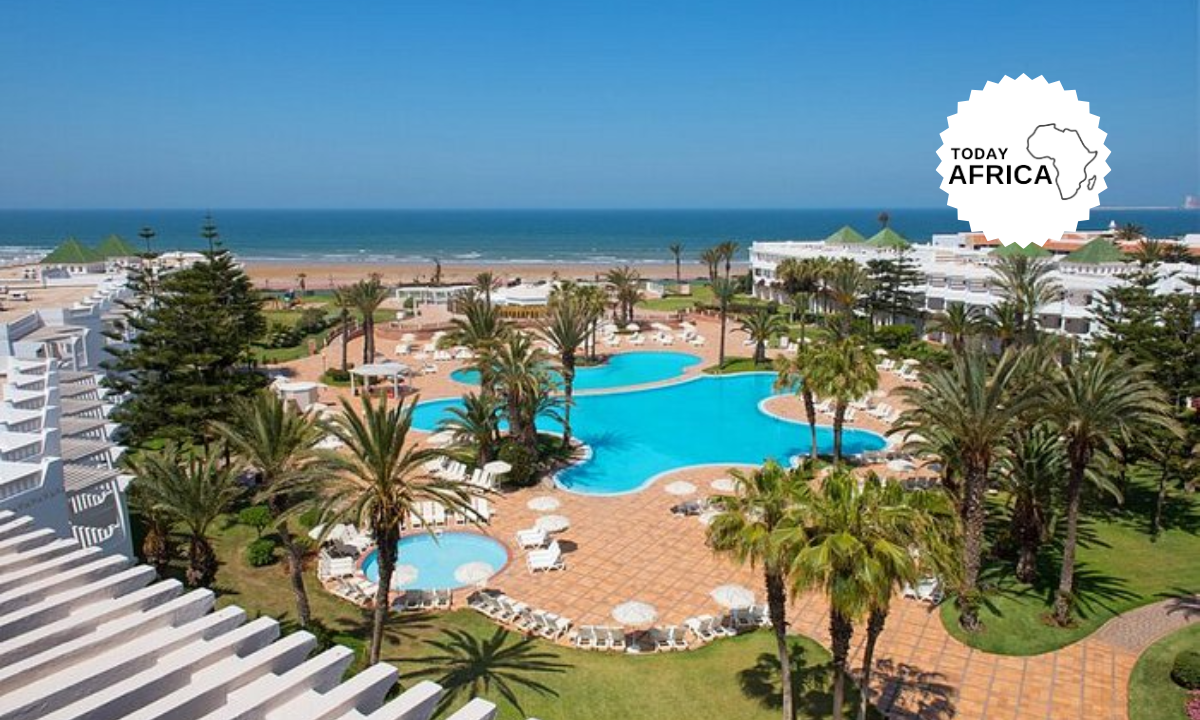
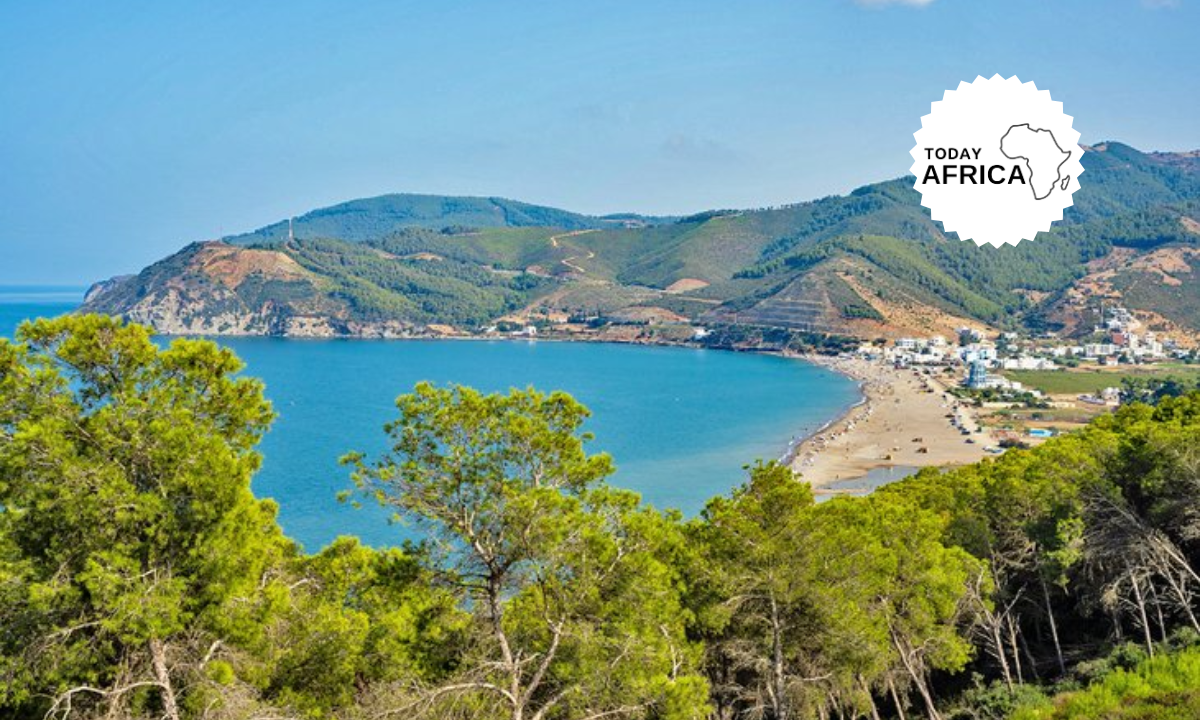
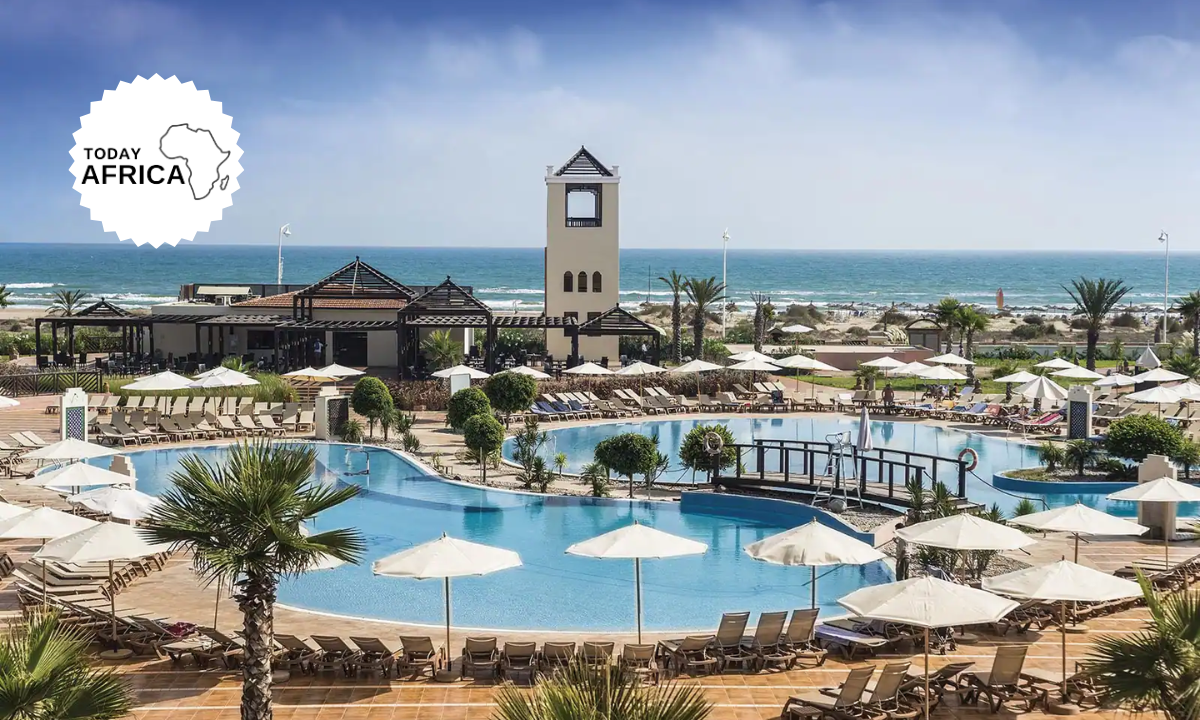
Morocco offers one of the clearest examples of what happens when food, culture, aviation, and hospitality align. The country received a record 19.8 million tourists in 2025, up 14% from the previous year.
Tourism accounts for about 7% of Morocco’s GDP, and the country is targeting 26 million tourists by 2030 as it prepares to co-host the FIFA World Cup.
Marrakech, Fez, Tangier, and Casablanca already have the ingredients for serious food tourism: deep culinary identity, strong hotel stock, international air access, markets, restaurants, cooking schools, and a global image that connects food with architecture, craft, and urban atmosphere.
South Africa shows another model. In 2025, the country recorded 36.5 million travelers in total, including 18.9 million arrivals.
More than 77% of tourist arrivals came from the African continent, with SADC countries driving most of the volume.
For food tourism, this is important because Cape Town’s wine, restaurants, and township food scenes are often discussed in long-haul tourism.
But the larger opportunity may lie in regional African travel: visitors from Zimbabwe, Mozambique, Botswana, Namibia, Lesotho, Eswatini, and beyond who already consider South Africa a destination for shopping, medical care, leisure, education, and family travel.
The future of African food tourism may not be built solely for European or American visitors.
It may be built for the African traveler who wants a long weekend in Nairobi, a December trip to Accra, a Cape Town food-and-wine escape, a Lagos nightlife weekend, a Dakar cultural route, or a Marrakech market-and-cooking experience.
Food is becoming Africa’s soft power infrastructure

One reason food tourism could grow quickly in Africa is that the continent already has strong culinary stories. What it lacks in many markets is packaging, distribution, and consistency.
Senegal’s ceebu jën has been inscribed by UNESCO on the Intangible Cultural Heritage list. Couscous traditions shared by Algeria, Mauritania, Morocco, and Tunisia have also been recognized by UNESCO.
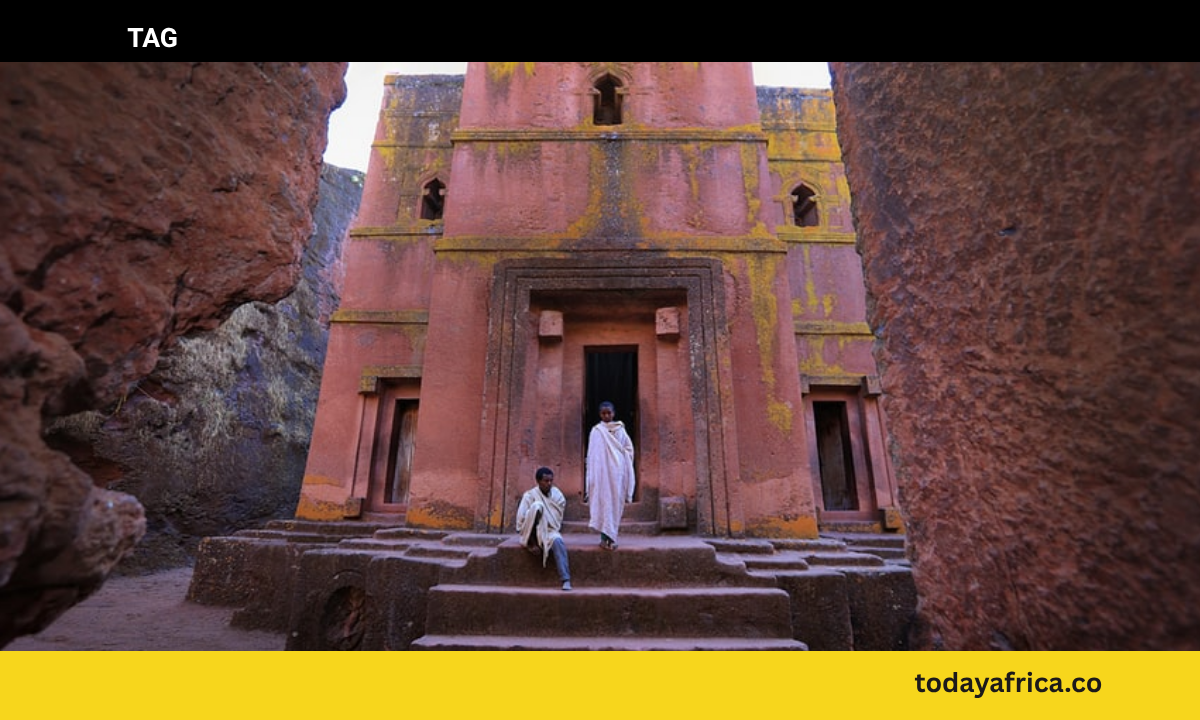
Ethiopia is advancing efforts to prepare its traditional coffee ceremony for potential inscription, with UNESCO noting that a 2025 workshop brought together more than 120 participants, including elders, youth, academics, officials and practitioners.
These are not small cultural labels. They are signals that African food traditions can become globally legible travel assets.
Food carries a kind of soft power that tourism boards often underestimate.
A traveler may forget the exact name of a monument, but remember the smell of coffee roasting in Addis Ababa, the sound of a market in Marrakech, the heat of suya smoke in Lagos, the ritual of eating thieboudienne in Dakar, or the first taste of Ghanaian kelewele after a long flight into Accra.
The opportunity is not to turn every dish into a luxury experience. That would flatten the culture.
The opportunity is to create layered food journeys: street food, home dining, chef-led restaurants, farm visits, market walks, cooking classes, festival routes, coffee ceremonies, wine tastings, cocoa experiences, spice trails, and heritage meals.
The global market is already moving in that direction.
Grand View Research estimated the global culinary tourism market at $16.1 billion in 2025 and projected it could reach $76.4 billion by 2033, with food festivals leading activity revenue share in 2025 and culinary trails identified as a fast-growing segment.
Africa does not need to copy Europe’s food tourism model. Its advantage is different.
African food tourism can combine urban energy, diaspora identity, music, fashion, family return, agriculture, informal food economies, and digital storytelling. That combination is difficult for older tourism markets to replicate.
Read also: Why Kigali is becoming one of Africa’s most strategic business travel cities
The business opportunity is bigger than restaurants
For entrepreneurs and investors, the mistake would be to think food tourism only means opening restaurants. Restaurants matter, but they are only one part of the value chain.
Services that help travelers discover, book, trust, understand, and share food experiences.
African cities need more curated food tours, chef-hosted dining rooms, clean, reliable market experiences, culinary maps, regional food festivals, cooking studios, food-focused short-stay packages, diaspora dinner clubs, airport-to-restaurant partnerships, restaurant reservation platforms, and multilingual storytelling about local cuisine.
Food safety, training, and standards.
A city can have brilliant food and still fail as a food tourism destination if visitors cannot easily book, pay, navigate, verify quality, or understand what they are eating.
The informal food economy is one of Africa’s great cultural engines, but it needs better bridges into formal tourism without losing its character.
Hotels should pay attention to it. Too many African hotels still treat food as a buffet function rather than a destination strategy.
The next growth layer will emerge as hotels build menus around local producers, host rotating chefs, partner with food creators, create neighborhood dining guides, and design food experiences that encourage guests to stay longer and spend more.
For creators and travel brands, food tourism is one of the most powerful storytelling formats because it performs well visually and emotionally.
A dish has color, sound, movement, history, and argument. It can spark debate, pride, nostalgia, and curiosity in one short video. That is why jollof arguments travel so easily online. Food turns culture into shareable media.
For diaspora Africans, food tourism offers something deeper than leisure.
It is a way to return without feeling like a spectator. A food route through Accra, Lagos, Dakar, or Addis Ababa can become a soft landing into language, family memory, neighborhood life, and business networks.
For governments and tourism boards, the opportunity is strategic.
Food can help diversify tourism away from overcrowded sites, extend visitor spending into neighborhoods, support farmers and local producers, create jobs for young people, and strengthen city brands.
But it requires planning. A food tourism strategy must connect agriculture, hospitality, culture, transport, safety, digital payments, event calendars, and destination marketing.
Africa’s food tourism growth will not come from selling meals alone. It will come from the selling context.
The cities that win will be the ones that understand food as infrastructure: a reason to fly, a reason to stay, a reason to return, a reason to invest, and a reason to tell the world a different story about African travel.
In the next phase of African tourism, the most valuable attraction may not be a beach, a skyline, or a national park. It may be a table.
Leave a comment and follow us on social media for more tips:
- Facebook: Today Africa
- Instagram: Today Africa
- Twitter: Today Africa
- LinkedIn: Today Africa
- YouTube: Today Africa Studio




![15 Best Beaches in Morocco to See This Year [& Essential Packing List]](https://todayafrica.co/wp-content/uploads/2023/12/Blue-Simple-Dad-Appreciation-Facebook-Post-1200-×-720-px-6-9.png)