
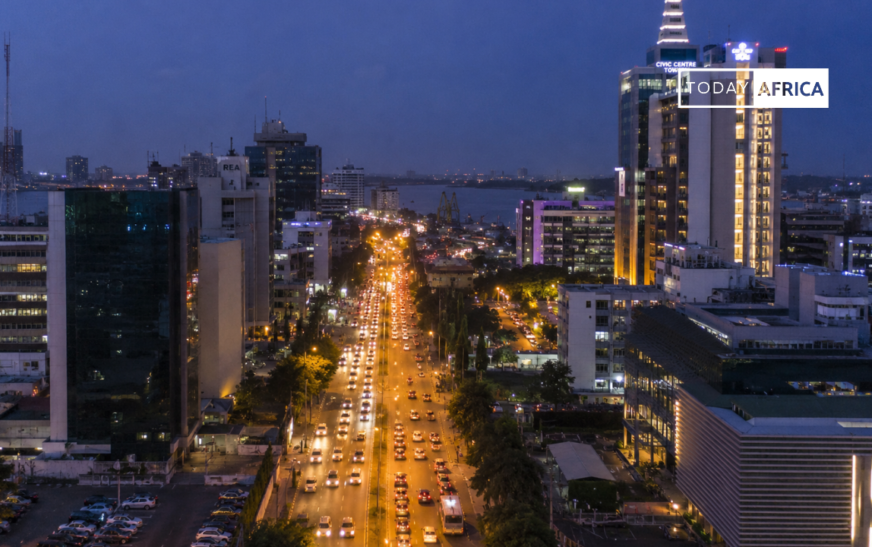
By the time evening settles over Victoria Island, Lagos no longer feels like a city closing down. It feels like a city changing shifts.
Outside the big hotels, cars queue at entrances where security guards know the rhythm by heart. Executives step out of black SUVs with laptop bags and overnight cases.
Diaspora visitors arrive with phones already out, filming the lobby, the lights, the familiar noise of home with a new kind of distance.
Across the water, Lekki is alive with restaurants, rooftop lounges, private dinners, fashion pop-ups, beach clubs, and late-night conversations that begin with “I just got in.”
This is not the Lagos of postcard tourism. It is not a city built around quiet escape. Lagos is movement. People come here to work, pitch, perform, reconnect, celebrate, sell, invest, eat, be seen, and test what the next version of African urban life might look like.
In the morning, the movement looks corporate. Hotel breakfast rooms fill with bankers, consultants, tech founders, conference guests, airline crews, government delegations, and regional business travelers.
By lunch, restaurants in Ikoyi and Victoria Island become deal rooms. By night, the same city tilts toward culture. Afrobeats, fashion, food, film, nightlife, and private events take over the travel economy.
That is the Lagos hospitality boom in one frame: hotels are no longer just places to sleep. Restaurants are no longer just places to eat. They are infrastructure for business, status, culture, diaspora return, and urban ambition.
Lagos is becoming a travel economy without looking like one
Most people still do not think of Lagos as a traditional tourism city. That is the wrong lens.
Lagos is not selling silence, safari, or monuments. It is selling access. Access to Nigeria’s business class. Access to Africa’s loudest creative economy.
And access to a diaspora homecoming season that has become a global cultural event. Access to founders, investors, artists, designers, chefs, politicians, and brands, trying to understand where African consumer culture is going next.
That is why people are traveling to Lagos now.
Some arrive for business meetings, industry conferences, board sessions, oil and gas deals, real estate inspections, tech ecosystem events, and banking relationships.
Others come for weddings, concerts, December parties, art fairs, fashion weeks, religious gatherings, family obligations, or a simple but powerful reason: they want to feel connected to Nigeria again.
The result is a city where travel demand does not depend solely on beaches or heritage sites. Lagos runs on layered movement.
A guest may arrive for a fintech meeting, stay at a hotel in Victoria Island, attend a founder dinner in Ikoyi, visit a gallery on the weekend, book a driver to Lekki, eat at a new restaurant, and extend the trip because a friend is hosting a private event.
That one traveler touches aviation, hospitality, transport, food, entertainment, retail, real estate, and content creation.
This is why Lagos matters as a Travel Intelligence story. The city shows how African travel is shifting from sightseeing to participation.
Read also: Why Kigali is becoming one of Africa’s most strategic business travel cities
The hotel lobby has become a business signal

In Lagos, the hotel lobby tells you where the economy is moving. At the top end of the market, demand is still heavily shaped by corporate travel. Lagos remains Nigeria’s commercial nerve center, which draws in domestic and international visitors year-round.
The airport, seaport, banks, energy companies, consulates, law firms, tech companies, and the entertainment economy create a travel base that is more stable than pure leisure demand.
That stability explains why investors keep watching the hotel market closely. Nigeria ranks among Africa’s major hotel pipeline markets, and Lagos remains central because it combines business demand with cultural demand.
The city is not only filling rooms during December. It is filling rooms for meetings, conferences, weddings, product launches, retreats, concerts, investor visits, and government-linked events.
There is a clear premium gap, too. Travelers want better service, cleaner booking systems, safer transfers, stronger Wi-Fi, more reliable power, smoother check-in, and experiences that feel global without losing Lagos identity. The market is responding, but not evenly.
Luxury and upper-upscale hotels are doing well because the city has a deep pool of corporate clients, diaspora visitors, and event-driven travelers who are willing to pay for comfort and security.
Mid-market hospitality is more uneven. Short-let apartments have expanded fast, especially across Lekki, Ikoyi, and Victoria Island, but the guest experience can vary widely.
That opens a serious opportunity. Lagos needs more than just more rooms. It needs more trusted rooms.
Restaurants are now part of the travel product
The food scene is one of the clearest signs that travel in Lagos has changed. A decade ago, many visitors came home and ate mostly with family. That still happens. But today, restaurants are part of the itinerary.
Diaspora visitors ask where to book before they land. Business travelers want dinner spots that work for deals and conversation. Creators want places with visual texture.
Young professionals want restaurants that feel like Lagos and London at the same time. This is not just about food. It is about identity.
Modern Lagos dining sits between local appetite and global taste. You can move from pepper soup and suya to tasting menus, from beachside grills to Asian fusion, from buka-style nostalgia to design-heavy restaurants built for Instagram, networking, and nightlife spillover.
Restaurants have become urban stages. They host birthdays, brand activations, soft launches, investor dinners, influencer shoots, and diaspora reunions. A good restaurant in Lagos is not simply selling a plate. It is selling belonging, taste, social proof, and a seat inside the city’s momentum.
For travel brands, this matters. The new Lagos visitor does not only ask, “Where should I stay?” They ask, “Where is everyone going?”
Read also: Best time to visit South Africa for safari: Essential 12-month guide
December revealed the scale of the movement
The clearest sign of Lagos’ travel economy comes during the long festive season known as Detty December.
For years, December in Lagos was about family return, parties, weddings, concerts, and nightlife. Now it has become a full travel economy. Flights fill up. Hotels raise rates. Short-let apartments compete for diaspora guests.
Restaurants plan festive menus. Nightclubs build VIP calendars. Fashion brands launch collections. Drivers, security teams, event planners, makeup artists, photographers, chefs, and content creators all plug into the same seasonal surge.
The 2025 Detty December season showed how powerful that movement has become. Reports on Lagos’ festive economy indicated millions of participants during the extended mid-November to early January period, with diaspora visitors playing an outsized role in spending.
Travelers from the United States reportedly became the largest source of international arrivals, ahead of the United Kingdom, showing how Nigerian-American travel is becoming a stronger force in Lagos’ tourism calendar.
That shift matters. For years, the UK was the emotional and logistical center of travel for the Nigerian diaspora.
Now the U.S. is moving deeper into the picture, helped by social media, Afrobeats visibility, Nigerian-American wealth, and the fear of missing out generated by the previous December season.
This is travel shaped by TikTok, Instagram, WhatsApp groups, airline routes, family pressure, and soft power.
But the boom also brings pressure. Lagos traffic gets worse. Prices rise. Local residents can feel priced out of restaurants, events, and short-let neighborhoods. Service standards are tested. Safety, crowd control, waste management, transportation, and emergency response pose serious tourism issues.
A hospitality boom is not only measured by money spent. It is measured by whether the city can absorb attention without punishing its residents.
Infrastructure is quietly rewriting the travel map
Lagos’ biggest travel story may not be inside hotels. It may be the slow rebuilding of mobility. The city has long been defined by congestion. Movement is valuable because movement is difficult.
A 30-minute journey can become two hours. A restaurant choice can depend less on food and more on traffic. A hotel’s value can rise simply because it is close to the airport, an office cluster, or an event venue.
That is why transport infrastructure matters to hospitality.
The Lagos Rail Mass Transit Blue Line and Red Line are still early in their impact, but they point to a different future. If rail, buses, ferries, roads, and airport connections improve, the city’s hospitality map will widen.
Areas outside the traditional Victoria Island, Ikoyi, Lekki, and Ikeja orbit could become more viable for hotels, restaurants, event venues, and cultural districts.
This is where the business of movement becomes literal. The easier it is to move through Lagos, the more hospitality value the city can unlock.
A restaurant in Yaba benefits if the founders and students can move more easily. A boutique hotel in Surulere becomes more attractive if guests can reach cultural venues and business districts without spending half a day getting there.
Beach tourism in Tarkwa Bay, Elegushi, and the Lekki-Epe axis becomes more investable if transport, safety, sanitation, and booking systems improve. Hospitality follows access.
Read also: Avoiding these 8 cheap travel destinations could be your biggest mistake
Lagos is Africa’s urban soft power machine

Lagos is not just benefiting from travel, it’s producing a culture that makes people travel.
Afrobeats changed the way the world hears Nigeria. Nollywood changed the way Africans see themselves on screen. Lagos fashion, street style, food culture, comedy, nightlife, and visual storytelling now travel faster than official tourism campaigns.
This gives Lagos a unique advantage. The city does not need to introduce itself from zero. Millions already know its sound, slang, pace, and attitude before they arrive.
That cultural familiarity turns travel into a form of participation. Diaspora visitors do not just want to observe Lagos. They want to enter the story. They want to attend the concert, book the table, wear the designer, post the rooftop view, speak the language, complain about the traffic, and still say the city has no equal.
This is soft power with receipts. It fills flights, sells hotel rooms, drives restaurant bookings, pushes event tickets, and creates demand for local guides, fixers, photographers, stylists, drivers, security, and curated experiences.
For African travel, Lagos represents a broader shift: cities are becoming destinations for their culture, not just their landmarks.
The opportunity window
The Lagos hospitality boom is creating openings, but the smartest opportunities are not only in building another luxury hotel or opening another expensive restaurant.
Trusted mid-market hospitality
Lagos needs reliable, design-conscious, well-managed accommodation for business travelers, diaspora visitors, creators, and domestic tourists who want quality without the luxury price tag. This includes boutique hotels, serviced apartments, hybrid work-stay spaces, and professionally managed short-let brands.
Curated movement
Visitors need help navigating Lagos. Not generic tour packages, but intelligent city access: airport pickup, restaurant bookings, event calendars, private drivers, safety guidance, cultural guides, nightlife planning, and local shopping routes. The business is not just tourism. It is friction removal.
Food-led travel
Lagos restaurants can package themselves better for visitors through tasting experiences, chef collaborations, supper clubs, food walks, diaspora menus, and partnerships with hotels and airlines. Food is one of the fastest ways to turn a trip into a memory.
Events infrastructure
Lagos has demand for concerts, conferences, weddings, brand activations, art shows, creator gatherings, and private member-style experiences. The gap is in professional production, crowd management, ticketing trust, guest safety, venue quality, and premium service.
Mainland hospitality
Much of the premium travel economy is concentrated on the Island, but Lagos culture is not. Surulere, Yaba, Ikeja, Maryland, and other mainland districts carry a rich musical history, tech energy, food culture, and local movement. Better transport and stronger curation could turn these areas into serious travel circuits.
Diaspora investment
Many Nigerians abroad already spend emotionally in Lagos. The next phase is building financially around that movement: hospitality funds, restaurant groups, short-let management companies, event platforms, travel concierge brands, and creative tourism ventures.
Read also: When is the best time to visit South Africa
What Lagos reveals about African travel
Lagos shows that the future of African travel will not be limited to leisure tourism.
It will be business travel mixed with culture. Diaspora return mixed with investment. Restaurants mixed with identity. Hotels mixed with dealmaking. Events mixed with urban development. Airports mixed with soft power.
The traveler of the future is not only asking where to relax. They are asking where things are happening.
In West Africa, Lagos is one such place.
Its hospitality boom is messy, expensive, energetic, uneven, and full of opportunity. That is exactly why it matters. Lagos is not waiting to become a polished tourism product.
It is already a movement economy, and hotels, restaurants, airports, roads, rail lines, event venues, creators, chefs, and investors are all trying to keep up.
The city’s message is clear: in modern Africa, travel is no longer just about the destination. It is about access to momentum.
Leave a comment and follow us on social media for more tips:
- Facebook: Today Africa
- Instagram: Today Africa
- Twitter: Today Africa
- LinkedIn: Today Africa
- YouTube: Today Africa Studio




![15 Best Beaches in Morocco to See This Year [& Essential Packing List]](https://todayafrica.co/wp-content/uploads/2023/12/Blue-Simple-Dad-Appreciation-Facebook-Post-1200-×-720-px-6-9.png)