
The arrivals hall fills with travelers pulling oversized suitcases, garment bags, and camera equipment.
Some are returning home from London, Toronto, New York, and Atlanta. Others are arriving for the first time, drawn by a calendar of concerts, street parties, art shows, food experiences and diaspora gatherings.
Outside the airport, the movement spreads across the city. Ride-hailing queues grow longer, and short-stay apartments fill up.
Hotel lobbies become informal meeting rooms for artists, founders, executives, and creative teams. Restaurants extend their hours as visiting groups move from dinner to exhibitions, concerts, and late-night events.
The travelers are not simply coming to see Africa; they are coming to participate in it. That distinction is reshaping tourism across Africa.
From Accra’s December season and Lagos’ expanding entertainment calendar to the Calabar Carnival, the Cape Town International Jazz Festival and MTN Bushfire in Eswatini, African festivals are becoming powerful travel anchors.
They are influencing where people fly, how long they remain, what they spend money on, and which cities gain international cultural relevance. This is no longer just a story about music and celebration.
It is a story about how culture is creating demand for hotel rooms, flights, restaurants, transport services, event technology, retail products, media production, and investment.
Accra shows how a cultural season can reorganize a city
Accra’s festival economy does not revolve around one event. Its power comes from the concentration of experiences during a specific period.
Concerts, nightlife, heritage tours, fashion events, food pop-ups, and diaspora programs build upon one another. A traveler may arrive for a headline performance but remain for 10 or 14 days because the wider city has become part of the program.
Ghana’s latest full-year tourism report shows how substantial this movement has become. The country received 1,306,962 international travelers in 2025, up from 1,288,804 in 2024. Those visitors generated an estimated $4.34 billion in international tourism receipts.
The composition of those arrivals is particularly important.
Business travel accounted for 31% of international visits, while visits to friends and relatives accounted for 23%. Holiday travel contributed another 20%. The United States was Ghana’s largest source market, followed by Nigeria and the United Kingdom.
These figures reveal that Accra is serving several travel markets at once.
Festival travel in Accra is therefore not easily separated into leisure, business, or family travel. The categories increasingly overlap.
Visitors spent an average of 13 nights in Ghana in 2025. Hotels accommodated about half of international travelers, while private homes accounted for 28% and Airbnb-style accommodations for 12%. More than 60% of international visitors were repeat travelers.
That repeat rate matters. It suggests Ghana is not simply attracting curiosity; it is building travel habits.
Read also: How local tour guides are building digital travel brands across Africa
The festival is becoming the destination
Traditional tourism marketing usually begins with a permanent attraction: a beach, monument, wildlife reserve, or historic district.
Festival-led travel works differently. The event creates urgency. It gives travelers a reason to choose a particular city at a particular time.
The destination is temporarily reorganized around that demand.
Airlines carry more passengers. Hotels adjust pricing. Restaurants create special menus. Fashion brands launch collections. Nightlife operators redesign their calendars. Drivers, photographers, makeup artists, caterers, security teams, and event producers experience a surge in work.
The economic value is distributed through a chain of transactions that begins long before the festival gate.
A ticket purchase may trigger a flight reservation, six hotel nights, airport transport, restaurant spending, clothing purchases, mobile data use, content production, and several local journeys. ~
The festival draws attention, but the city bears the greater expenditure.
UNESCO’s research into 10 arts and cultural festivals across nine Southern African countries provides evidence of this multiplier effect.
The festivals generated more than $11.7 million in economic activity and nearly 3,000 jobs in 2024. For every $1 invested in festival production, an estimated $2.51 was injected into the surrounding economy.
Crucially, 61% of attendees were not local residents.
That means the events were actively moving people between cities, provinces and countries rather than simply entertaining nearby communities.
As United Nations Resident Coordinator George Wachira observed, cultural festivals are “not just celebrations” but platforms for development, inclusion and regional integration.
Lagos is converting entertainment into a travel economy
In Lagos, festival tourism is less centralized but more intense. The city’s December season combines large concerts, fashion events, beach parties, culinary experiences, art exhibitions, brand activations and nightlife.
Returning Nigerians, regional visitors, and international travelers move through several districts, often attending multiple events within a single trip.
The result is a citywide entertainment economy rather than one conventional festival.
A Lagos State review estimated that tourism, hospitality and entertainment generated more than $71.6 million during the 2024 December festivities. Hotels reportedly contributed over $44 million, while short-let apartments generated approximately $13 million.
Those figures show where much of the immediate value sits: accommodation.
The most profitable part of the business may not be the concert itself. It may be the serviced apartment located 20 minutes away, the transportation company moving groups between venues, or the food operator serving travelers after midnight.
Lagos tourism adviser Idris Aregbe described tourism as a driver of both “economic growth and cultural preservation.”
Yet Lagos also exposes the pressure points of festival-led growth.
Demand can rise faster than the city’s ability to provide reliable transport, transparent pricing, secure ticketing, consistent customer service and well-managed public spaces.
Premium experiences often expand quickly, while affordable, dependable services remain limited. This creates frustration, but it also identifies where the market has room to grow.
Read also: What makes a city attractive for tourism investment?
Calabar proves domestic travelers also power festival economies
Africa’s festival economy is not driven only by international tourists or wealthy diaspora visitors.
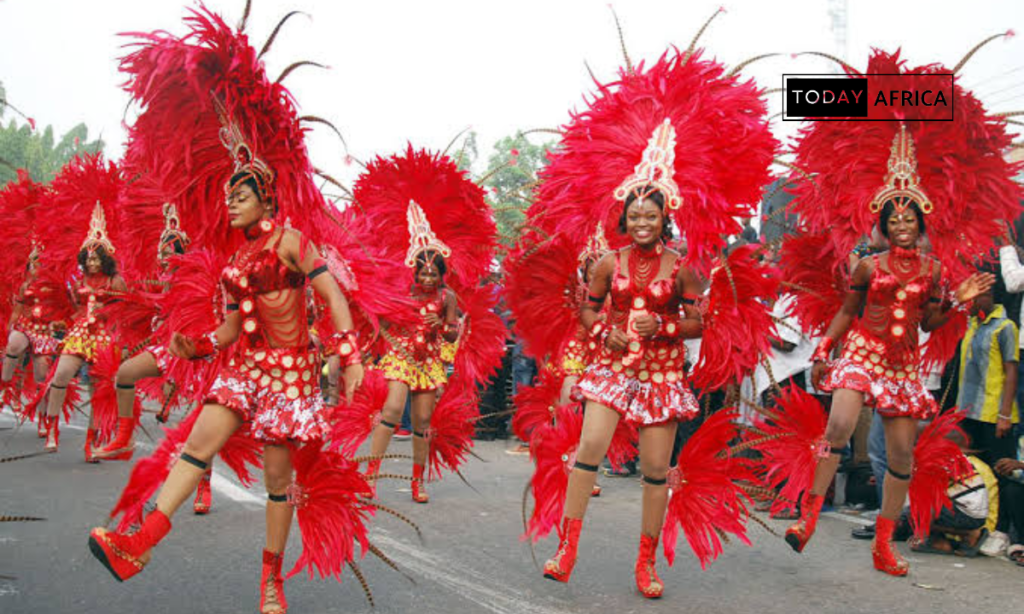
Domestic and regional movement can be equally important. The Calabar Carnival demonstrates how a major cultural calendar can pull visitors from other Nigerian cities and nearby states.
According to the Cross River Tourism Bureau, more than 300,000 tourists visited during the 2024 carnival period, a reported 42% increase from 2023. Many arrived from Lagos, Abuja, and neighboring Akwa Ibom State.
Accommodation occupancy across Calabar rose from 57% in 2023 to 68% in 2024. More than 90 percent of the city’s hotels reportedly reached full occupancy between December 15 and December 29.
The spending extended far beyond rooms.
The tourism bureau estimated hotel-booking revenue at ₦2.79 billion, food and breakfast spending at ₦900 million, and transportation expenditure at ₦8.87 billion.
Car rentals, nightlife, dancers, food services, and digital streaming also contributed to the carnival economy.
This is an important travel signal. Festival tourism can direct demand toward secondary cities that may not receive constant international leisure traffic.
A well-positioned cultural event can create a defined travel season, strengthen local hospitality businesses, and introduce visitors to attractions beyond the main program.
For Calabar, the opportunity is to convert seasonal attention into year-round travel.
Cape Town shows how established hospitality meets cultural demand
Cape Town begins from a different position. It already has a mature tourism economy, established international air links, and a broad accommodation market.
Festivals add another layer by giving visitors reasons to travel outside traditional holiday patterns. The Cape Town International Jazz Festival returned in 2024 after an extended pandemic-era interruption.
Tourism research cited by South Africa’s tourism minister estimated that the festival supports between 1,500 and 2,500 direct and indirect jobs during each cycle. Direct visitor spending was placed at approximately R29.7 million.
The festival’s economic footprint includes production crews, musicians, hotel employees, transportation providers, restaurants, technicians, sponsors and media companies.
Cape Town demonstrates what happens when cultural programming is integrated into an existing visitor economy. The city does not have to persuade travelers that it is worth visiting.
The festival gives established and repeat visitors another reason to return, while filling venues and hospitality businesses during a concentrated period.
It also strengthens Cape Town’s cultural identity. Travelers leave with more than photographs of physical landmarks.
They encounter African music, creative production, and cultural networks that shape how the city is discussed internationally. That is soft power operating through travel.
Read also: Why food tourism could become a major growth market in Africa
Festival travelers are becoming high-value networked visitors
The modern festival traveler is more economically complex than the conventional tourist. These travelers bring money, but they also bring networks.
That makes festival tourism especially valuable for cities seeking international relevance. A successful event can place local musicians, designers, restaurants, hotels, and neighborhoods inside global conversations.
The effect is visible across Africa’s broader travel market.
International arrivals to Africa increased by 8% in 2025, reaching approximately 81 million visitors. Earlier in the year, arrivals were already 16% above comparable pre-pandemic levels.
Hospitality companies are responding to that momentum.
Hilton has announced plans to expand its African portfolio to more than 160 hotels, while Marriott expects to add 50 properties by 2027. Airlines have also expanded capacity and introduced new connections to cities including Accra, Dakar, Addis Ababa, and Entebbe.
Festivals are not responsible for all this growth. They are, however, becoming an important part of the demand picture, particularly for urban destinations competing for younger travelers, diaspora visitors, and creative professionals.
The real opportunity is in the services surrounding the stage
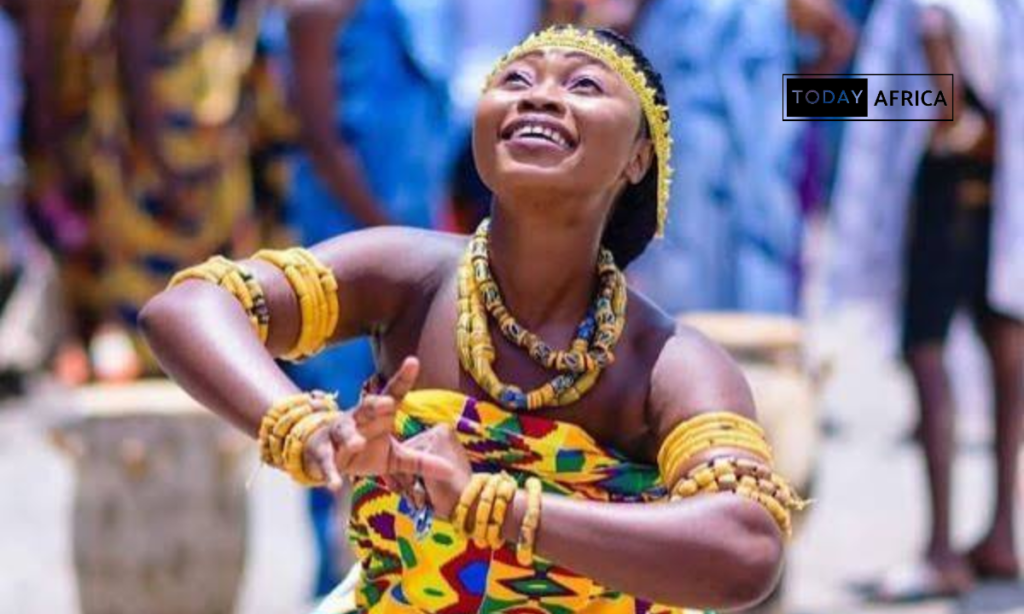
The visible festival economy consists of artists, stages, and crowds. The larger opportunity often sits behind the scenes.
African cities need reliable event transportation that allows groups to reserve vehicles, track drivers, and move safely between venues.
They need accommodation platforms that verify properties and prevent sudden cancellations. They need ticketing systems designed for local payment methods and international cards.
Travelers also need itinerary services that combine concerts with food, heritage, wellness, art, and business experiences.
There is room for luggage storage, festival concierge services, creator workspaces, multilingual support, accessible travel services, secure late-night transport, and professionally managed short-stay apartments.
Restaurants can build festival menus and group reservation systems. Hotels can offer packages that include transfers and event access. Local designers can create products timed to major travel seasons.
Tour companies can move beyond standard sightseeing and design cultural programs around studios, kitchens, galleries, neighborhoods, and creative businesses.
The opportunity is especially strong in the middle of the market.
Many cities offer expensive luxury experiences and informal low-cost alternatives, but fewer provide dependable, well-branded services for travelers seeking quality without extreme prices.
Businesses that solve reliability, transparency, and convenience will capture more value than those that simply raise prices during peak weeks.
Better intelligence will decide which cities benefit
Festival economies are growing faster than the systems used to measure them.
Many destinations still lack reliable information on visitor origins, spending patterns, accommodation demand, length of stay, transport usage, and the number of jobs created.
UNESCO has specifically called for stronger, disaggregated data systems to measure the cultural, economic, and environmental impact of festivals.
Without that intelligence, cities risk celebrating attendance while missing the deeper questions.
- How much money remained in the local economy?
- Which neighborhoods benefited?
- Were small businesses included?
- Did visitors return?
- Were hotels full because supply was healthy or because the city lacked enough rooms?
- Did an event attract international travelers, domestic travelers, or mainly local residents?
These distinctions matter to investors and entrepreneurs.
A hospitality company considering expansion in Accra needs more than national arrival figures. It needs to understand seasonal demand, source markets, visitor budgets, and accommodation gaps.
A transport startup entering Calabar must know when visitor flows peak and where people are traveling from. A tourism board planning a new cultural event must understand which sectors are likely to capture the spending.
Today Africa’s Market Intelligence Studio is designed for this kind of decision-making.
It combines market mapping, sector research, country intelligence, ecosystem analysis, and grounded storytelling to help organizations identify what is growing, where demand is emerging, and which opportunities sit behind the headlines.
Read also: Inside Lagos’ hospitality boom: Hotels, restaurants, and the business of movement
African festivals are becoming economic infrastructure
The strongest festival destinations will not be those with the loudest stages. They will be the cities that connect culture to reliable travel systems.
That requires better airports and regional air links. It requires secure venues, efficient transport, quality accommodation, digital payments, trained hospitality workers, and public spaces capable of handling large crowds.
It also requires cultural ownership. If local communities, artists, and businesses are pushed outside the economy, the destination may gain attention without building lasting value.
If festival prices exclude residents, culture risks becoming a product displayed for visitors rather than a living system shared with them.
The next phase of African festival tourism must therefore be more organized and more inclusive.
- Accra shows how diaspora return can become a recurring travel market.
- Lagos shows how entertainment can activate an entire urban economy.
- Calabar demonstrates the power of domestic movement.
- Cape Town proves that established destinations can use festivals to deepen their cultural identity.
- Southern African festivals show that even comparatively small events can create jobs and measurable local spending.
Together, they point toward a larger change. African culture is no longer the only reason people become interested in the continent.
It is increasingly determining when they travel, where they stay, what they purchase, who they meet, and which cities they return to. The music may bring people through the gate.
The economic power begins with everything they do after they arrive.
Leave a comment and follow us on social media for more tips:
- Facebook: Today Africa
- Instagram: Today Africa
- Twitter: Today Africa
- LinkedIn: Today Africa
- YouTube: Today Africa Studio


![15 Best Beaches in Morocco to See This Year [& Essential Packing List]](https://todayafrica.co/wp-content/uploads/2023/12/Blue-Simple-Dad-Appreciation-Facebook-Post-1200-×-720-px-6-9.png)