
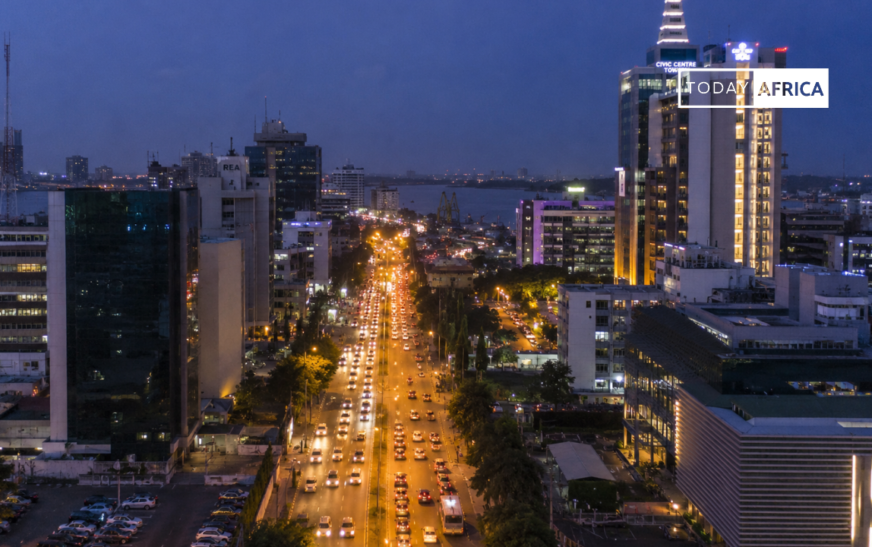
Outside, the city feels organized without feeling still. Ride-hailing cars slide through clean boulevards.
Restaurants fill with a mix of professionals, visiting executives, development workers, creatives, athletes, and diaspora travelers who are not simply passing through.
They are spending, meeting, returning, posting, scouting, and investing. That is what makes a city attractive for tourism investment.
Not just postcard appeal, not just famous landmarks, and not even visitor numbers alone.
A city becomes investable when travel turns into a system: flights, hotels, food, events, culture, safety, payments, mobility, real estate, digital visibility, and repeat demand all working together.
Across Africa, the strongest travel cities are no longer waiting to be “discovered.” They are becoming economic platforms.
Why people are moving toward these Cities
People are traveling across Africa for different reasons now, and that matters.
In Kigali, the pull is conferences, conservation, sport, policy meetings, and controlled urban growth.
Rwanda generated $685 million in tourism revenue in 2025, up from $647 million in 2024, supported by 1.49 million visitor arrivals.
Its meetings and events segment alone brought in $94.7 million, helped by 165 international and regional events, including the UCI Road World Championships, Mobile World Congress, Basketball Africa League and Move Afrika.
In Lagos, the signal is cultural power. Travelers come for concerts, fashion, restaurants, nightlife, private events, weddings, art fairs, beach houses, short-let apartments, and the December return season.
Lagos State tourism data showed that the 2024 Detty December period generated $71.6 million across hospitality, tourism and entertainment, with hotels accounting for $44 million and short-let apartments contributing $13 million.
In Cape Town, the signal is long-stay international demand.
Foreign overnight visitors reached 1.44 million in 2025, stayed an average of 9.5 nights and spent R1,390 per day, bringing foreign direct spend to R19 billion.
Cape Town International Airport also recorded 11.1 million two-way passengers in 2025, including 3.3 million international passengers.
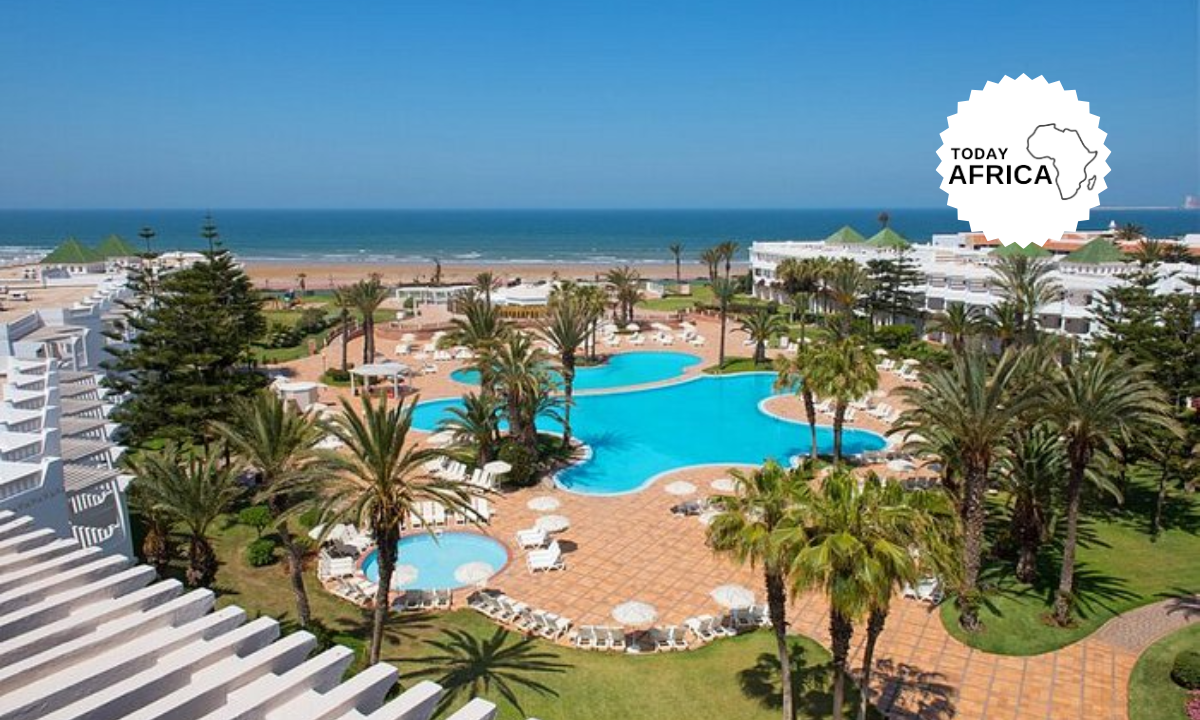
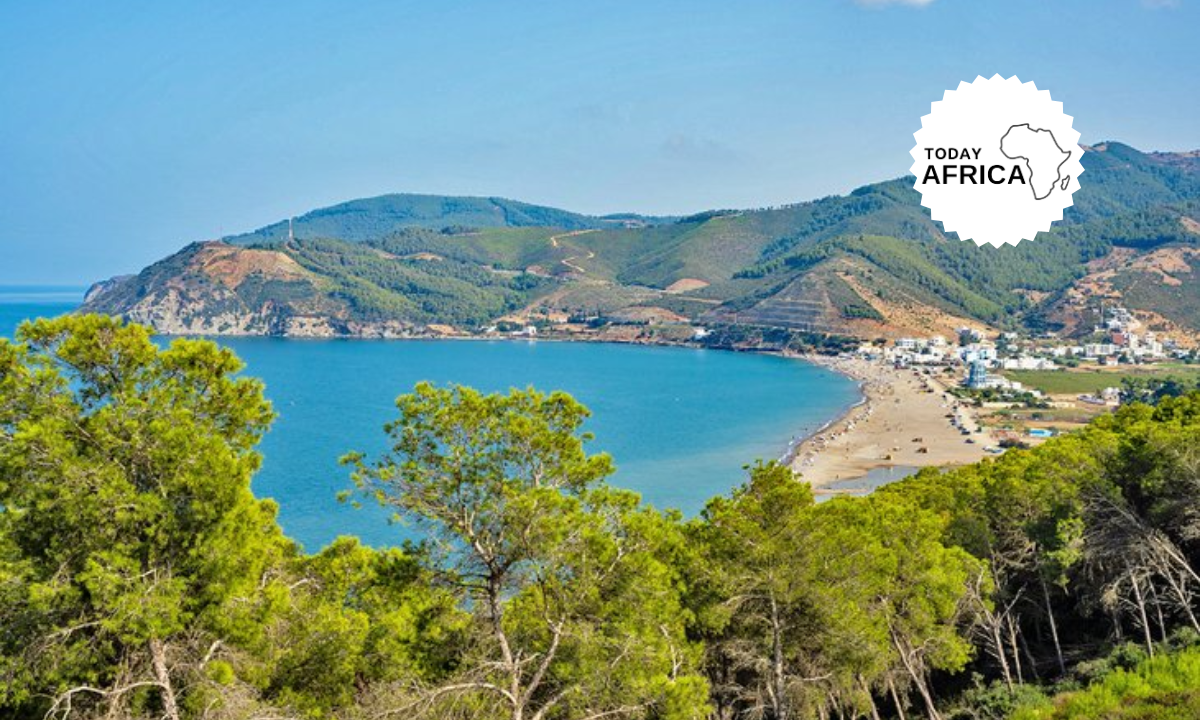
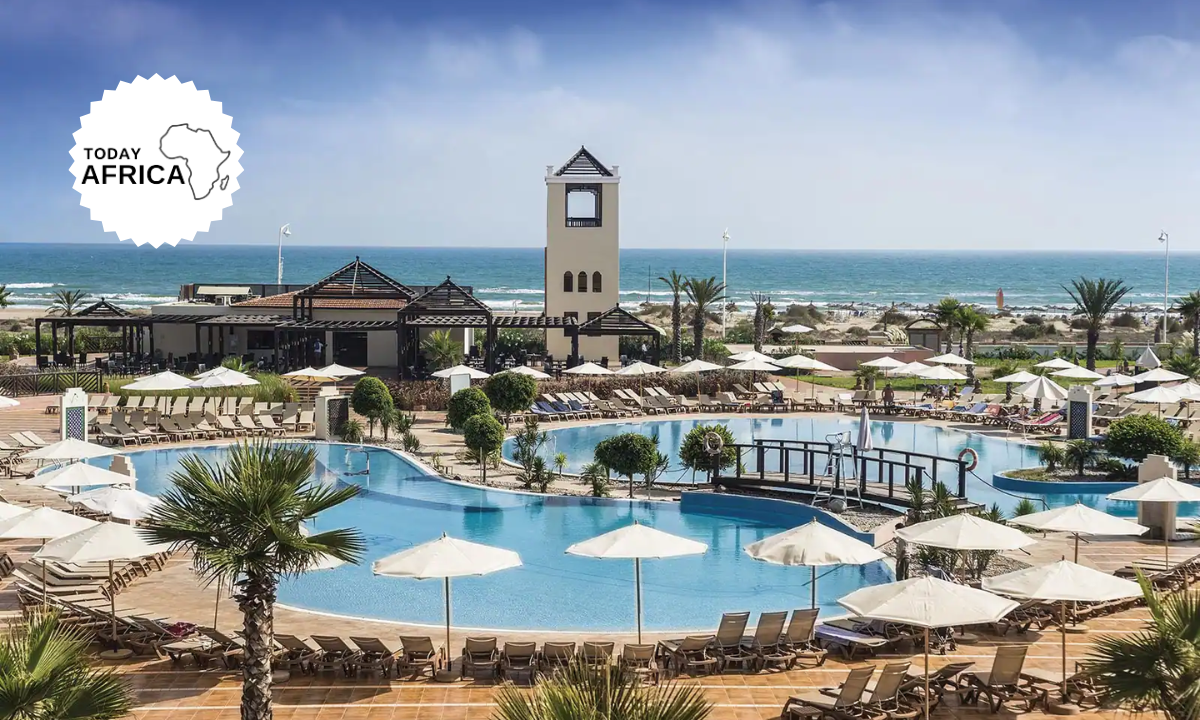
In Morocco, especially Marrakech, Casablanca, Tangier, and Agadir, the signal is scale.
Morocco received 4.3 million tourists in the first quarter of 2026, up 7% from a year earlier, and tourism revenue reached 21.4 billion dirhams, about $2.3 billion, by the end of February.
The country attracted 19.8 million tourists in 2025 and is targeting 26 million by 2030 as it prepares to co-host the FIFA World Cup.
In Nairobi and Accra, the draw is more layered: business travel, regional headquarters, tech ecosystems, diaspora movement, conferences, restaurants, airports, creative scenes, and gateway status.
These cities are not only destinations. They are meeting points.
That is the first rule of tourism investment: follow the movement, but understand the reason behind it.
Read also: Why food tourism could become a major growth market in Africa
What the numbers reveal about African cities

Africa’s travel economy is no longer just recovering. It is expanding into a new phase.
The World Travel & Tourism Council says that travel and tourism contributed $228 billion to Africa’s economy in 2025, representing 7% of the region’s GDP.
The sector supported 30.2 million jobs and welcomed 99.2 million international visitors, up 14.1%.
Domestic travel still accounted for about 61% of tourism spending, while international visitor spending is forecast to grow to $80 billion in 2026. That data matters because it changes how investors should read African cities.
Air travel is also strengthening the investment case. IATA reported that Africa’s total air passenger market grew 9.4% in 2025, while African airlines’ annual traffic rose 7.8%.
The load factor reached a record high for the continent, even though Africa still had the lowest among regions.
That is a mixed signal, but a useful one. Demand is rising, yet capacity and connectivity still leave room for growth.
For investors, that gap can point to opportunity in aviation-linked hospitality, airport hotels, transfers, regional tourism packages, domestic routes, travel tech and destination management.
Hotel groups are reading the same map.
Hilton plans to more than triple its African portfolio to over 160 hotels, while Marriott expects to add 50 properties by 2027, entering markets including Cape Verde, Ivory Coast, the Democratic Republic of Congo, Madagascar and Mauritania.
This is not charity. It is a capital following movement.
Why investors follow travelers
Travelers reveal what a city is becoming before spreadsheets fully catch up.
- When visitors extend their stay, investors look at apartments, boutique hotels, serviced residences, and restaurants.
- When conferences multiply, investors look at convention hotels, transportation services, event production, catering, and translation services.
- When diaspora travelers return every December, investors look at short-lets, nightlife, security, private dining, airport transfers, and premium local experiences.
A tourism-investable city usually has five signals.
First, it has access.
Flights do not need to be perfect, but they must be improving. Direct routes, reliable domestic connections, efficient airports and simple visa processes can turn curiosity into bookings.
Second, it has spent.
A city can attract many people and still fail as an investment market if visitors do not spend beyond basic accommodation. The strongest cities push money into restaurants, galleries, beach clubs, wellness, retail, transport, festivals, and cultural experiences.
Third, it has repeated reasons to visit.
Cape Town has an appeal for leisure, wine, beaches, conferences, and remote work. Kigali hosts conferences, conservation events, and sports events.
Lagos has culture, business, entertainment, and diaspora return. Marrakech has heritage, luxury hospitality, and proximity to Europe. Accra has a diaspora identity, music, food, heritage, and December movement.
Fourth, it has a story people want to share.
In 2026, a city’s soft power is part of its investment case. TikTok clips, Instagram reels, YouTube travel vlogs, fashion weeks, music festivals, and food reviews are not side effects. They are demand engines.
Fifth, it has room for better services.
The most attractive city is not always the most polished. Sometimes the best opportunity is in the gap between demand and delivery: too few quality mid-market hotels, weak transport, poor tour packaging, inconsistent customer service, fragmented payment options, limited family-friendly activities, or lack of premium African-owned hospitality brands.
That is why Lagos can be chaotic and investable at the same time. Its traffic, infrastructure strain, and service gaps are real. But so is its spending power, cultural influence, and year-round business flow.
Read also: Inside Lagos’ hospitality boom: Hotels, restaurants, and the business of movement
What this means for Africa’s broader transformation

The rise of African travel cities says something larger about the continent. Tourism is becoming a signal of urban development.
It shows where airports matter, where roads need upgrading, where nightlife is formalizing, where restaurants are creating jobs, where real estate is moving, where young consumers are shaping demand, and where culture is becoming economic infrastructure.
It also shows that the African diaspora is no longer only returning for family visits.
Many are returning as consumers, founders, investors, collaborators, wedding guests, festivalgoers, property buyers, and brand ambassadors.
That shift is powerful.
A diaspora traveler may spend on a hotel this year, rent an apartment next year, invest in a restaurant later, and eventually build a business bridge between London, Atlanta, Toronto, Johannesburg, Lagos, Accra, or Nairobi.
Cities that understand this will design better visitor economies. Cities that ignore it will watch private operators capture the upside without improving the public experience.
This is where Kigali’s model is instructive. Rwanda has linked tourism to investment promotion, conservation, events, and infrastructure.
The country is also building the new Bugesera International Airport, expected to be ready by 2028 at an estimated cost of about $2 billion.
Morocco is playing a different but equally clear game: scale, air connectivity, accommodation, entertainment, and World Cup preparation.
Cape Town is leaning into high-value long-haul travelers while trying to rebuild domestic spend. Lagos and Accra are proving that culture can move money as effectively as beaches and monuments.
The winning cities are not selling tourism as a single sector. They are using travel to organize hospitality, culture, infrastructure, real estate, retail, mobility, and investment into a single connected economy.
Opportunities for entrepreneurs and investors
The opportunity is not simply “build more hotels.” In many African cities, the biggest gaps are more specific.
There is room for professionally managed short-let brands that offer hotel-level service without losing local character.
- There is room for airport-to-city mobility companies that understand business travelers, families, creators, and diaspora guests.
- There is room for food tourism centered on chefs, markets, supper clubs, street food, and regional cuisine.
- There is room for event logistics companies that can handle concerts, conferences, weddings, fashion shows, and brand activations to international standards.
There is also room for African-owned boutique hospitality groups.
Too many cities have either expensive global hotels or inconsistent informal options. The middle space, stylish, reliable, locally rooted, digitally bookable and service-focused, remains underbuilt.
Creators and travel brands also have a role.
As more travelers use social media and AI platforms to decide where to go, cities with strong digital storytelling will win attention faster.
A restaurant in Accra, a gallery in Lagos, a cycling event in Kigali, or a rooftop hotel in Nairobi can become part of a travel decision long before the traveler visits a booking site.
For diaspora Africans, the opportunity is even more personal.
Travel can become an investment pipeline. Instead of visiting only during peak season, diaspora travelers can partner with local operators, invest in hospitality services, support cultural events, develop niche travel products, or create businesses that serve both local and international customers.
For governments and city planners, the message is direct: tourism investment follows confidence.
Safety, cleanliness, transparent regulation, visa access, event support, airport efficiency, digital payments, and public transport are not boring details. They are the foundation of spending.
Read also: Why Kigali is becoming one of Africa’s most strategic business travel cities
The cities that will win next
The next attractive African tourism city will not be defined by a single luxury hotel opening or a viral travel video.
It will be the city that can answer five questions clearly.
- Can people get there easily?
- Can they move around without frustration?
- Can they find places to stay at different price points?
- Can they spend money on experiences beyond the obvious?
- Can they imagine coming back?
That is the real investment test.
Africa’s travel future will be shaped by cities that turn movement into ecosystems. Kigali is doing it through events and order. Lagos is doing it through culture and commerce.
Cape Town is doing it through long-stay global appeal. Marrakech is doing it through scale and hospitality maturity. Accra is doing it through diaspora energy, food, music, and heritage.
The cities that win will not only attract tourists.
They will attract capital, talent, stories, conferences, brands, restaurants, airlines, developers, creators, and returning Africans who see travel not as an escape, but as participation.
That is what makes a city attractive for tourism investment: not the number of people who arrive, but what their arrival makes possible.
Leave a comment and follow us on social media for more tips:
- Facebook: Today Africa
- Instagram: Today Africa
- Twitter: Today Africa
- LinkedIn: Today Africa
- YouTube: Today Africa Studio



![15 Best Beaches in Morocco to See This Year [& Essential Packing List]](https://todayafrica.co/wp-content/uploads/2023/12/Blue-Simple-Dad-Appreciation-Facebook-Post-1200-×-720-px-6-9.png)