

Tourism investment does not begin with a hotel groundbreaking or a government announcement. It begins with movement.
A new direct flight fills with business travelers. Diaspora visitors start returning more frequently. Restaurants remain busy beyond the traditional holiday season.
International hotel brands enter unfamiliar districts, while local founders build transport, events, food and travel services around growing visitor demand.
These are not isolated tourism stories. They are market signals.
Across Africa, cities such as Accra, Nairobi, Lagos, Cape Town, Cairo, Marrakech and Dakar are attracting new combinations of leisure travelers, entrepreneurs, conference delegates, creators and returning diaspora communities.
Their movement is reshaping neighborhoods, expanding hospitality markets and changing where investors see opportunity.
But rising arrivals alone do not make a city investable. The real question is whether a destination can convert attention into longer stays, repeat visits, higher spending and sustainable local business activity.
So, what makes a city attractive for tourism investment?
It is not scenery alone. It is the ability to turn human movement into a functioning economy of accommodation, food, transport, culture, entertainment and enterprise.
The first signal is movement, not marketing
Africa received approximately 81 million international tourists in 2025, an 8% increase from the previous year. North Africa recorded particularly strong growth of 11%, making the continent the world’s fastest-growing tourism region during the year.
Those numbers matter, but the more useful investment question is where the movement is concentrating and what is causing it.
Travelers are arriving in Marrakech for leisure, design, food and events. They are flying into Cairo for history, business, education and regional connections.
Nairobi receives conference delegates, development professionals, founders, safari travelers and members of the Kenyan diaspora. Cape Town attracts international holidaymakers, remote professionals, film crews and long-stay visitors.
Lagos draws business travelers, musicians, fashion buyers, technology executives and members of the Nigerian diaspora. Accra combines return travel, nightlife, heritage tourism and professional networking.
Dakar is strengthening its position through art, music, business gatherings and Francophone regional travel.
These cities are not succeeding for identical reasons. Their advantage is that movement into them is becoming more diverse.
A beach may create seasonal demand. A major company headquarters may produce weekday business traffic. A cultural festival can fill hotels for a weekend.
But a city becomes significantly more investable when several forms of travel overlap throughout the year.
Read also: How African festivals are turning culture into economic power
A city becomes investable when travel has more than one reason
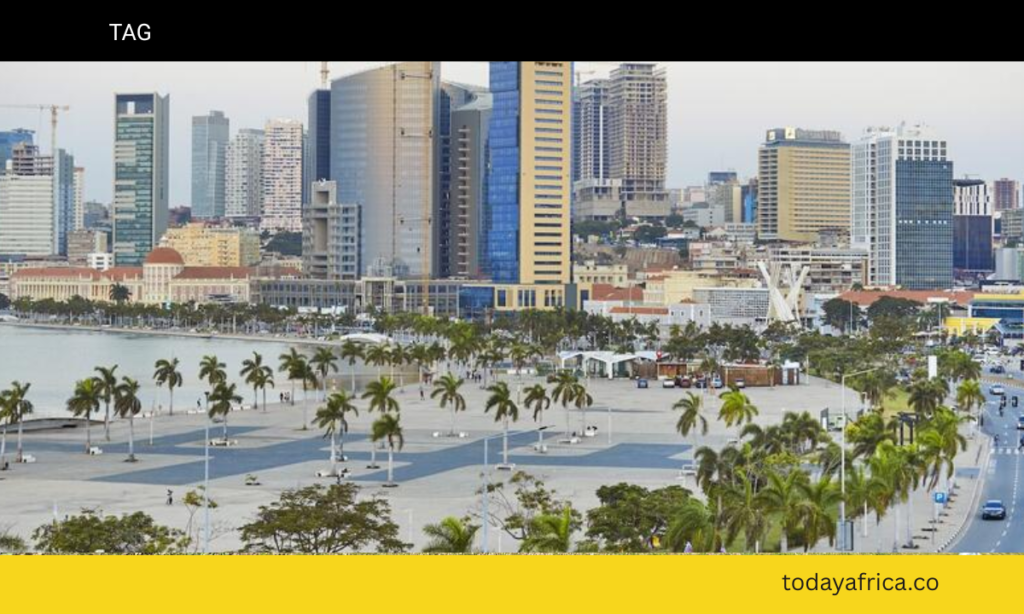
The most attractive tourism cities have what might be called a stacked demand economy.
A visitor may travel to Nairobi for a conference and add three days in the Maasai Mara. A Ghanaian living in London may return to Accra for Christmas, attend a concert, visit relatives in Kumasi and explore property opportunities.
An entrepreneur may enter Lagos for a business meeting, remain for an art fair and invite partners to dinner in Victoria Island. Each additional reason to travel makes demand more resilient.
This matters because tourism investment is vulnerable when it depends on one season, one attraction or one source market. Political disruption, changing airline schedules, currency pressure or extreme weather can quickly expose that weakness.
Cities with diversified demand can absorb shocks more effectively. Business travel supports weekday hotel occupancy. Leisure visitors strengthen weekends and holiday periods. Conferences create group bookings.
Diaspora travelers often stay longer, visit more frequently, and distribute their spending across accommodation, food, transport, entertainment, and family activities.
Accra demonstrates the power of this combination. Ghana welcomed 1.288 million international visitors in 2024, a 12% increase from the previous year. Travelers from the United States, Nigeria, and the United Kingdom were major contributors, with arrivals from Nigeria rising by 25%.
Tourism authorities estimated that international travel generated $4.8 billion during the year.
The important signal is not simply that more people arrived. It is that Accra has developed multiple travel identities: a diaspora homecoming destination, an entertainment capital, a regional business center, and a gateway to Ghana’s historical sites.
That combination creates demand for far more than hotel rooms.
Read also: How local tour guides are building digital travel brands across Africa
Connectivity determines how much demand becomes real
A city can have cultural influence, strong hospitality and global recognition, yet still lose tourism investment because reaching it is too difficult or expensive.
Direct flights reduce friction. Frequent regional routes make short trips practical. Simple visa systems allow travelers to make quicker decisions. Reliable airport transfers shape the visitor’s first impression. Efficient domestic connections help spread tourism spending beyond the main city.
Connectivity also influences investor confidence. Airlines do not simply transport tourists. They create the conditions under which hotels, restaurants, conference centers and attractions can operate at scale.
Africa’s aviation market is forecast to grow by approximately 4.1% annually over the next two decades, potentially exceeding 410 million passengers by 2044.
The opportunity is substantial, but so are the constraints.
Fuel costs for African airlines have been estimated at 17% above the global average. Taxes, fees and passenger charges can be between 12% and 15% higher, contributing to expensive tickets and weaker intra-African connections.
As one aviation industry leader put it, “Aviation is not a luxury. It is an economic and social lifeline.”
For tourism investors, this means airport traffic should never be evaluated in isolation. The quality of the routes matters.
- Where are passengers coming from?
- Are flights seasonal or year-round?
- How many are direct?
- Are travelers connecting through Europe or the Middle East to reach a neighboring African country?
- Can the airline maintain the route profitably?
A city with fewer passengers but stronger, more predictable connections may offer a better opportunity than one recording impressive arrival numbers built around a brief seasonal surge.
Read also: What makes a city attractive for tourism investment?
Culture is demand infrastructure
Tourism development often treats culture as decoration added after hotels, roads and conference centers have been built.
The strongest African destinations reverse that logic.
Culture creates the original demand. Music, food, architecture, fashion, history, religion, nightlife and local identity give people a reason to choose one city over another. Infrastructure then determines how easily that interest becomes spending.
Accra’s December economy is a clear example. Music festivals, nightlife, diaspora reunions and cultural programs have turned the end of the year into a recognizable travel season.
Visitors arrive expecting more than sightseeing. They want participation, belonging and social connection.
That demand has encouraged new restaurants, beach clubs, event venues, galleries, short-term rentals and creative businesses. It has also created problems, including sharp seasonal price increases and experiences designed primarily for visitors with foreign currency rather than local residents.
This tension is important.
A city is not truly attractive for long-term tourism investment when success pushes residents out of its cultural spaces. Local participation keeps restaurants active outside peak season. Residents sustain music venues, neighborhood cafés and creative communities when international visitors leave.
Culture must therefore remain lived, not staged.
The opportunity is to invest in experiences that are commercially strong without becoming disconnected from the people who created the destination’s appeal.
That could include culinary tours led by local chefs, neighborhood art programs, music archives, craft markets with transparent pricing, historical interpretation and community-owned accommodation.
As Ghana’s tourism leadership has acknowledged, “quality of service is key.” Cultural strength may attract the first visit. Service quality determines whether the visitor returns.
The hotel pipeline is a confidence signal, not a guarantee
Hotel development offers one of the most visible indicators of tourism investment.
Africa’s hotel pipeline reached 577 properties and more than 104,000 rooms in 2025, representing year-on-year growth of 13.3%.
Cairo alone accounted for approximately 17,757 planned rooms across more than 70 hotels. Lagos had a pipeline of 3,709 rooms, followed by Addis Ababa with 3,369, Casablanca with 2,939 and Accra with 2,652.
This activity suggests that international and regional operators expect travel demand to expand. One hospitality executive described it as evidence that “global players see Africa as a strategic opportunity.”
But a pipeline is not the same as a functioning market.
Some announced projects remain delayed for years. Others open in neighborhoods without sufficient transport, surrounding activity or dependable utilities. Luxury rooms may multiply even where the greater need is for well-run midscale hotels, family accommodation or extended-stay apartments.
The percentage of planned African hotel rooms opening as expected improved from 21% in 2023 to 38% in 2024. That is progress, but it also shows why headline numbers require careful interpretation.
Investors should ask what sits behind every hotel announcement.
- Is construction active?
- Has financing closed?
- Does the development have a capable local operator?
- Can the city provide trained staff?
- Is there sufficient demand at the proposed room rate?
- Will guests have restaurants, transport and experiences nearby?
A hotel is not an isolated tourism product. It depends on an entire urban system.
Read also: Why food tourism could become a major growth market in Africa
The best tourism cities turn visitors into longer stays
Arrival numbers attract attention, but length of stay often reveals more about the commercial strength of a destination.
Cape Town received around 1.44 million foreign overnight visitors in 2025. International visitors stayed an average of 9.5 nights and generated approximately R19 billion in direct spending. International passenger arrivals at Cape Town International Airport increased by 8% during the year.
A long stay creates multiple opportunities.
The traveler needs more meals, more local transport, laundry, groceries, entertainment, wellness services and neighborhood activities. Longer visits also support serviced apartments, aparthotels, co-working spaces and accommodation outside traditional tourist districts.
Cape Town’s advantage is not based on one attraction. The city allows visitors to combine food, nature, beaches, business, wine, events and urban life without repeatedly changing destinations.
Other African cities can apply the same lesson without copying Cape Town.
Nairobi can connect business travel more effectively with food, design, culture and nature. Accra can develop year-round programming that extends beyond December.
Dakar can package its creative industries into accessible experiences. Cairo can encourage visitors to explore neighborhoods and contemporary cultural spaces rather than treating the city only as a gateway to ancient monuments.
The objective is not simply to increase arrivals. It is to increase the number of meaningful, bookable, and well-delivered reasons to remain.
Read also: Inside Lagos’ hospitality boom: Hotels, restaurants, and the business of movement
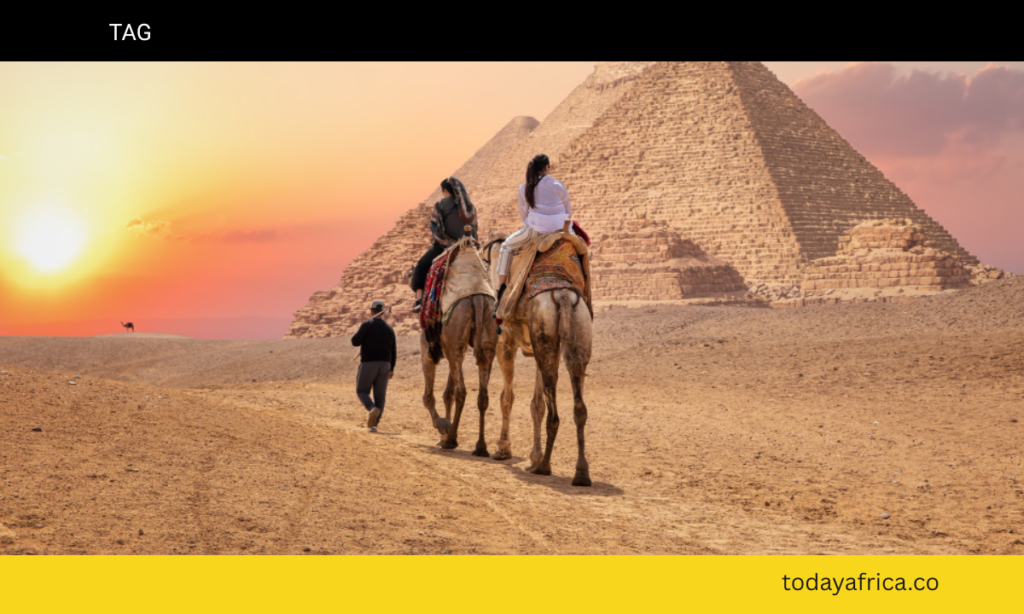
What makes a city attractive for tourism investment?
Repeatable demand
Investors need evidence that travelers will continue arriving after a campaign ends or a major event leaves. Strong cities have a calendar of business meetings, festivals, family travel, conferences, sports, education and leisure.
Spending conversion
A city may receive millions of passengers without capturing sufficient value. Visitors need products they can confidently discover, book and pay for. Good signage, digital information, card and mobile payment options, professional tour operators and transparent pricing all influence spending.
Operational reliability
Hotels and restaurants depend on electricity, water, security, internet access, waste management and transport. Persistent failures increase operating costs and damage the guest experience. A destination cannot market its way around weak basic services forever.
Distinctive cultural proposition
Investors should be able to explain why travelers choose that city instead of another destination with similar weather or room prices. A recognizable food culture, music scene, architectural identity or historical story creates differentiation that cannot easily be copied.
Room for new products
An attractive market is not necessarily one with the fewest hotels. It is one where clear demand gaps remain. A city may have several luxury properties but insufficient midscale accommodation. It may host major conferences without enough professional event transport. It may attract diaspora families but offer few suitable multi-bedroom apartments.
Credible destination management
Tourism authorities, city governments, airport operators, private businesses and cultural organizations must coordinate. Investors need reliable data, consistent regulation and a clear understanding of where the destination is heading.
The opportunities are often outside the hotel lobby
The next phase of African tourism investment will not be captured by hotel developers alone.
Growing visitor flows create demand for airport transfers, luggage services, travel insurance, restaurant reservation platforms, destination payment tools and multilingual customer support.
Cities with expanding events industries need staging companies, ticketing systems, crowd management, security, temporary staffing and professional venue operators.
Diaspora travel creates opportunities for heritage research, relocation assistance, property advisory services, family travel planning and longer-stay accommodation. These visitors may also become investors, founders or second-home buyers when they receive credible local guidance.
Food businesses can build around modern interpretations of regional cuisine, culinary storytelling and locally sourced supply chains. Creators can develop city guides, video series, cultural archives and travel products that help visitors understand places beyond the most photographed locations.
Hospitality training is another major opening. More rooms mean little without managers, chefs, housekeepers, maintenance teams and guest-service professionals capable of delivering consistent standards.
The most overlooked opportunity may be intelligence itself.
Before building a hotel, launching a travel product or entering a new destination, decision-makers need to understand visitor origins, airline routes, neighborhood activity, event calendars, accommodation supply, cultural behavior and spending gaps.
Our Market Intelligence Studio is designed for that deeper work, combining market maps, country briefs, sector research and grounded opportunity analysis for organizations that need more than headline arrival figures.
In fast-changing cities, better information can prevent an investor from confusing social-media visibility with sustainable demand.
Read also: Why Kigali is becoming one of Africa’s most strategic business travel cities
Africa’s next tourism winners will convert movement into value
The future of African tourism will not belong only to the cities with the largest airports, newest hotels or most aggressive marketing campaigns.
It will belong to destinations that understand why people are moving.
Some travelers are looking for leisure. Others are returning home. Some are following music, food, art or sport. Others are entering African cities to build companies, attend conferences, visit clients or investigate investment opportunities.
These motivations increasingly overlap.
That is the real tourism investment signal. A city becomes attractive when it can welcome different types of travelers, give them several reasons to stay, connect them with local culture and convert their presence into broad economic activity.
The decisive asset is not a monument or hotel tower. It is the city’s ability to turn movement into experience, experience into spending and spending into durable opportunity.
Leave a comment and follow us on social media for more tips:
- Facebook: Today Africa
- Instagram: Today Africa
- Twitter: Today Africa
- LinkedIn: Today Africa
- YouTube: Today Africa Studio

![15 Best Beaches in Morocco to See This Year [& Essential Packing List]](https://todayafrica.co/wp-content/uploads/2023/12/Blue-Simple-Dad-Appreciation-Facebook-Post-1200-×-720-px-6-9.png)